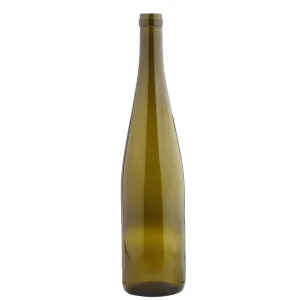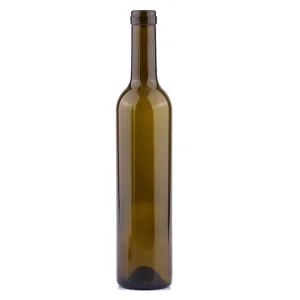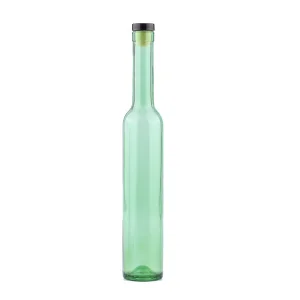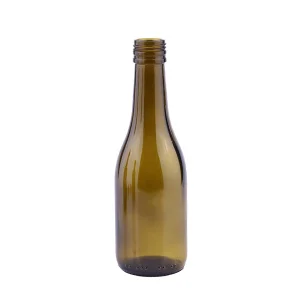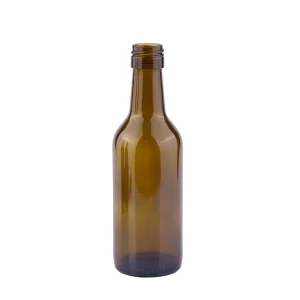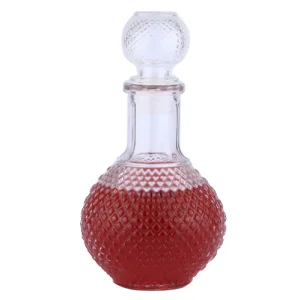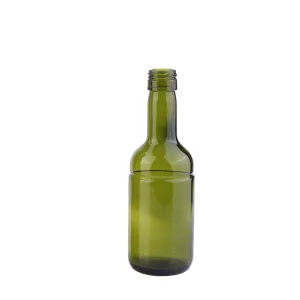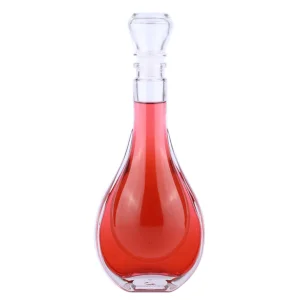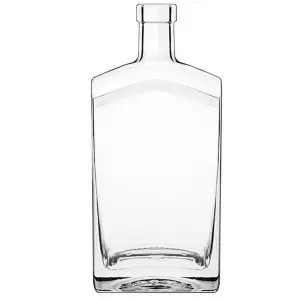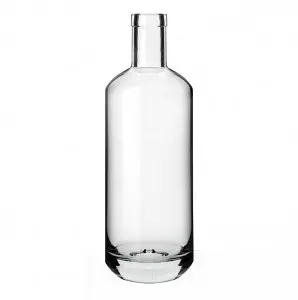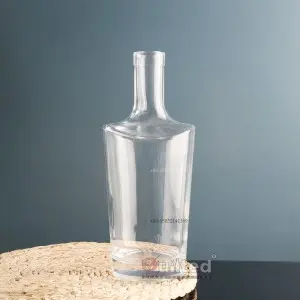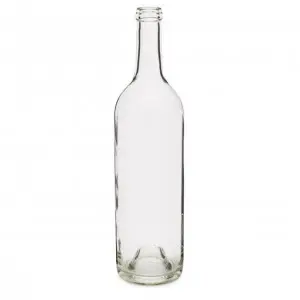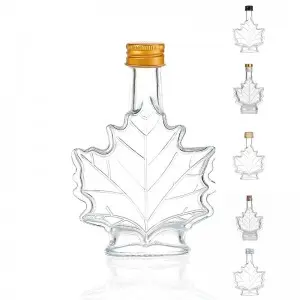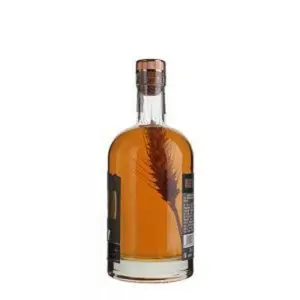
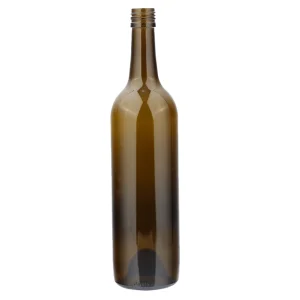
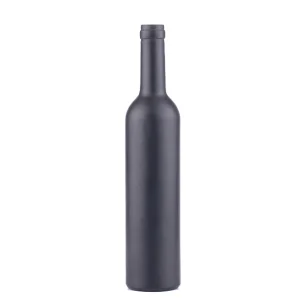
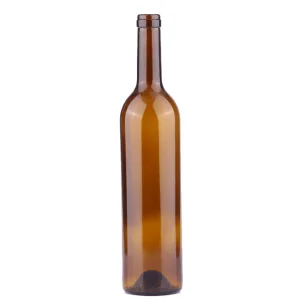
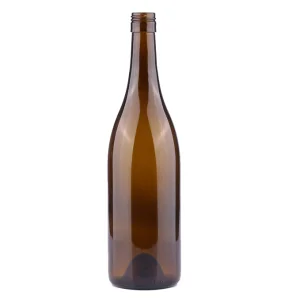
The packaging industry in Bangladesh is experiencing a significant structural transition. Driven by rapid modernization in the pharmaceutical, food processing, beverage, and cosmetics sectors, the demand for highly reliable, chemically inert glass packaging solutions has scaled exponentially. As global regulatory bodies push for stricter environmental compliance and product safety protocols, the limits of plastic containers have become evident, leading manufacturers to pivot back to high-grade glass container solutions.
Historically, Bangladesh's local glass manufacturing capacity has been primarily geared toward flat glass production (sheet glass for architecture and mirrors). While some local furnaces supply basic amber glass jars for pharmaceutical syrups or green/flint bottles for regional beverage brands, a persistent technology gap remains. Local production often battles issues with gas pressure instability, limited furnace capacities for high-purity flint glass (soda-lime silica), and consistency variations in neck finishes, which are vital for high-speed automated bottling lines. This leaves a crucial supply window where local enterprises rely heavily on optimized imports to secure stable, high-end packaging supply chains.
Top pharmaceutical clusters in Dhaka, Gazipur, and Narayanganj demand USP Type III soda-lime and USP Type I borosilicate amber glass vials. High thermal shock resistance is mandatory for sterilization processes, which local manufacturers struggle to output consistently due to furnace energy variations.
Modern automated beverage and sauce filling plants operate at speeds exceeding 200 bottles per minute. Any structural micro-fissure or dimensional deviation in the neck finish results in line stoppage or catastrophic bottle explosion. High-precision Chinese manufacturing lines bridge this gap.
From a global supply chain perspective, importing glass bottles from established, technologically mature manufacturers in China presents a robust solution for Bangladeshi brands. It combines advanced furnace configurations (such as oxy-fuel combustion and electric boosting), automated inline cold-end inspection systems, and competitive volume pricing that localized factories cannot easily replicate. By partnering with leading suppliers, Bangladeshi companies can safeguard their brand value, minimize waste, and meet strict international export standards for their finished goods.
Leveraging state-of-the-art manufacturing facilities, we deliver fully integrated glass packaging solutions from raw material formulation to final structural customization. Our engineering expertise ensures that every bottle shipped to Bangladesh complies with high-performance criteria.


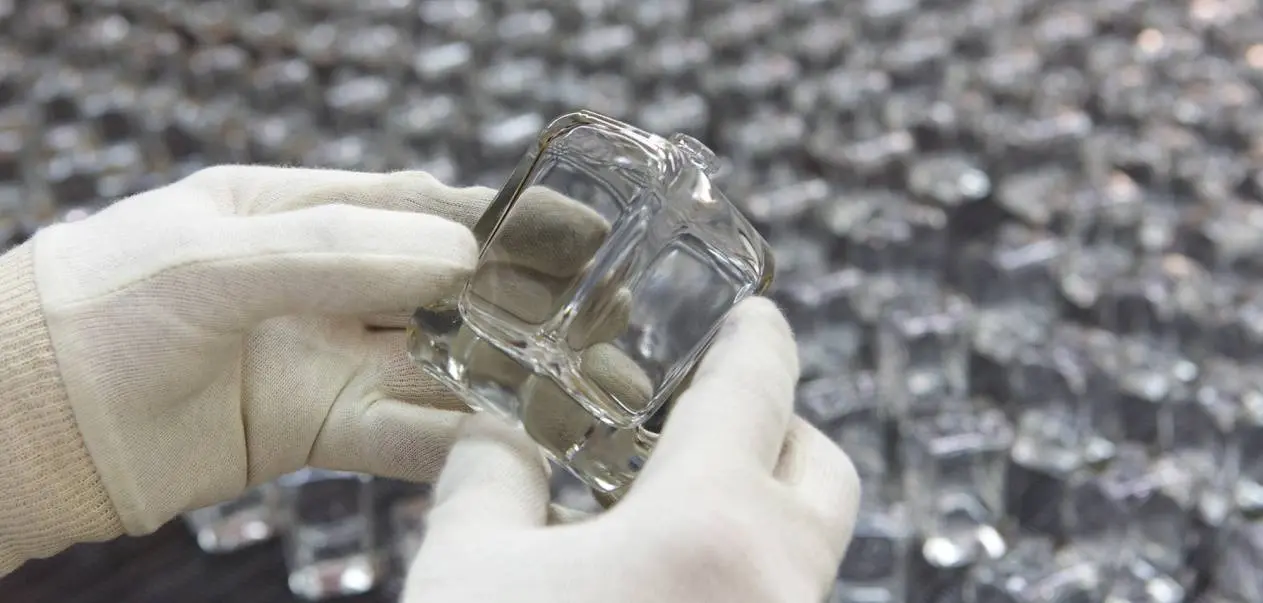
As a leading Chinese glass bottle manufacturer, we take pride in our ability to produce glass bottles from start to finish. Our integrated processes encompass raw material crushing and mixing, precise batching, melting, shaping, and meticulous annealing, ensuring top-notch quality at every step.
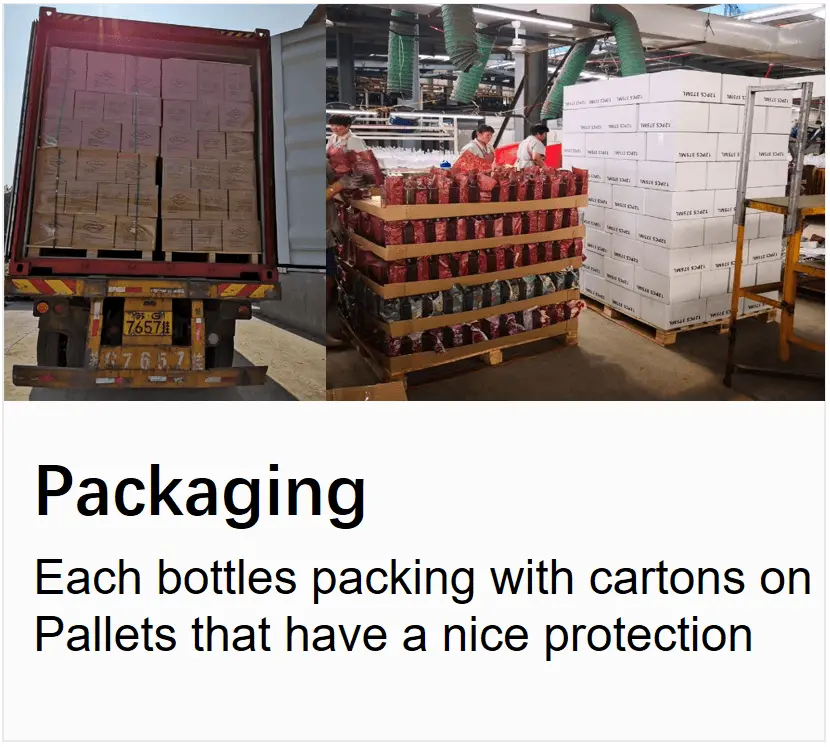
Our strategic placement near major container ports enables rapid customs clearing and consistent ocean transit corridors directly to the Chittagong seaport. We utilize optimized sea routes to keep delivery costs low and lead times highly predictable, giving Bangladeshi manufacturing operations a reliable, competitive edge in packaging procurement.
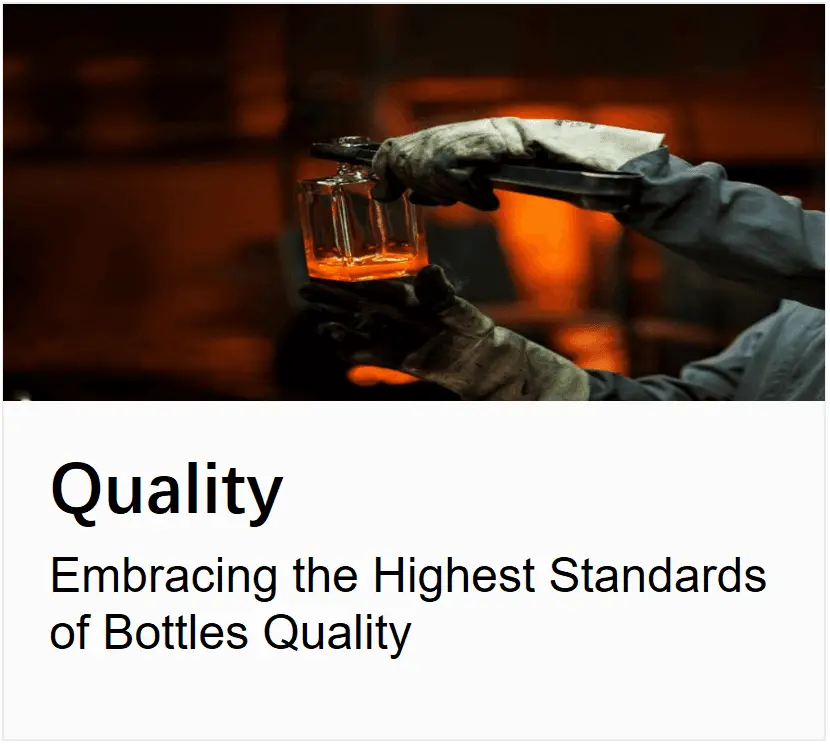
Read All DetailsModern container glass production is no longer just a traditional thermal trade; it has evolved into a highly controlled discipline of materials engineering. High-performance glass must balance chemical resistance, mechanical strength, and weight. The key to our superior quality lies in our technical roadmap, which implements several advanced manufacturing advancements:
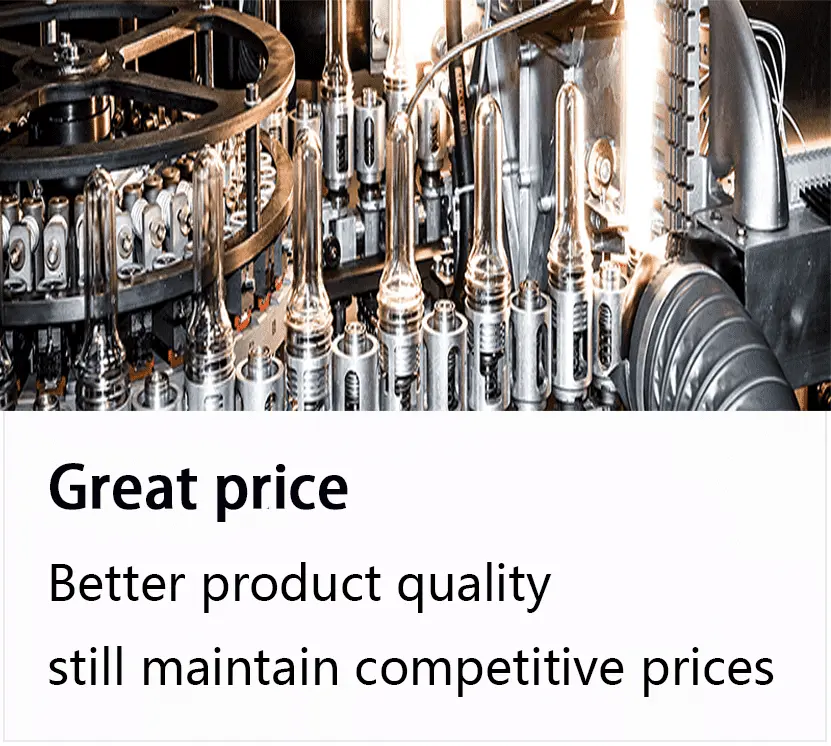
By employing NNPB technology during container forming, we ensure extremely uniform wall thickness. This permits the production of "lightweight glass" without sacrificing structural stability or pressure holding capabilities, reducing shipping costs and minimizing raw material waste.
Our manufacturing sites utilize advanced electrical boosting systems within natural gas furnaces. This approach guarantees ultra-stable temperatures up to 1550°C, ensuring the total elimination of un-melted quartz particles and optimizing flint glass transparency to international luxury standards.
To withstand long transit times and robust wash cycles, our glass containers undergo high-grade hot-end and cold-end coatings (using monobutyltin trichloride and polyethylene emulsions). This prevents glass-on-glass abrasion and guarantees smooth passage through automated processing lines.
We target up to 60% post-consumer cullet (recycled glass) in our green and amber batches. Integrating cullet lowers furnace melting temperatures, significantly reducing energy consumption and greenhouse gas emissions, aligning our production with modern corporate sustainability goals.
For industrial buyers in Bangladesh, utilizing these state-of-the-art processes prevents micro-fissuring and dimensional failures. As automated downstream machinery runs faster, dimensional consistency in glass containers becomes critical. A difference of only 0.5mm in neck diameter can lead to catastrophic filling failures, making precise quality controls at the primary factory level a key determinant of operational productivity.
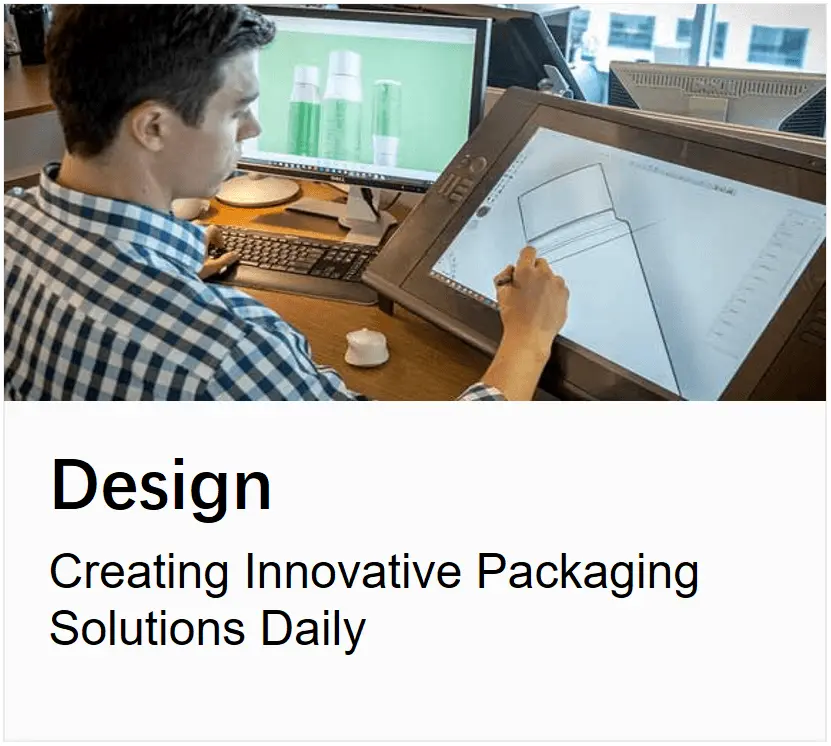
Making a decision to import glass containers at scale requires thorough due diligence. Below, we address the critical commercial and technical inquiries raised by procurement departments, logistics managers, and quality assurance divisions in Bangladesh.