High-integrity containment solutions optimized for marine cargo stability and environmental sustainability across the Gilbert Islands.
An in-depth whitepaper analysis on sustainability, UV-barrier science, and maritime supply chain engineering in Micronesia.
Kiribati, an ocean-locked republic of 33 coral atolls, faces unique geopolitical and environmental parameters. As rising sea levels put immense pressure on land and water resources, the transition from single-use plastics to fully circular materials has become a national priority. Glass, being 100% recyclable and inert, does not leach microplastics or endocrine disruptors into fragile lagoon ecosystems like those of South Tarawa.
Historically, importing packaging materials to remote destinations like the Port of Betio has been complicated by maritime shipping routes, humidity, and atmospheric salinity. Importers require bottles that are physically resilient, non-reactive under high temperatures, and structured to prevent thermal stress fractures during prolonged trans-Pacific sea voyages.
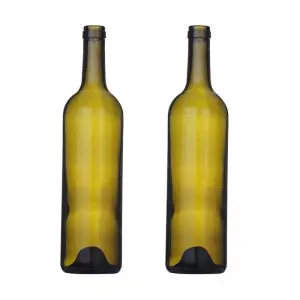
Our colored glass bottles are manufactured using premium Soda-Lime-Silica chemical properties (predominantly 72% SiO₂, 13% Na₂O, and 9% CaO). This formulation provides high hydrolytic resistance, categorized under USP Type III glass standards. It represents the gold standard for protecting organic juices, local coconut oils (copra derivatives), herbal tinctures, and high-proof spirits from alkaline erosion and salt-spray damage typical of coastal storage.
Kiribati lies directly on the equator, experiencing some of the highest ultraviolet (UV) radiation levels globally. UV rays (wavelengths 290nm–400nm) induce photo-oxidation, degrading vitamins, spoiling pigments, and turning fatty compounds—such as virgin coconut oils and craft-brewed beverages—rancid.
Providing seamless packaging integration from custom glass molds to sea-cargo logistics.

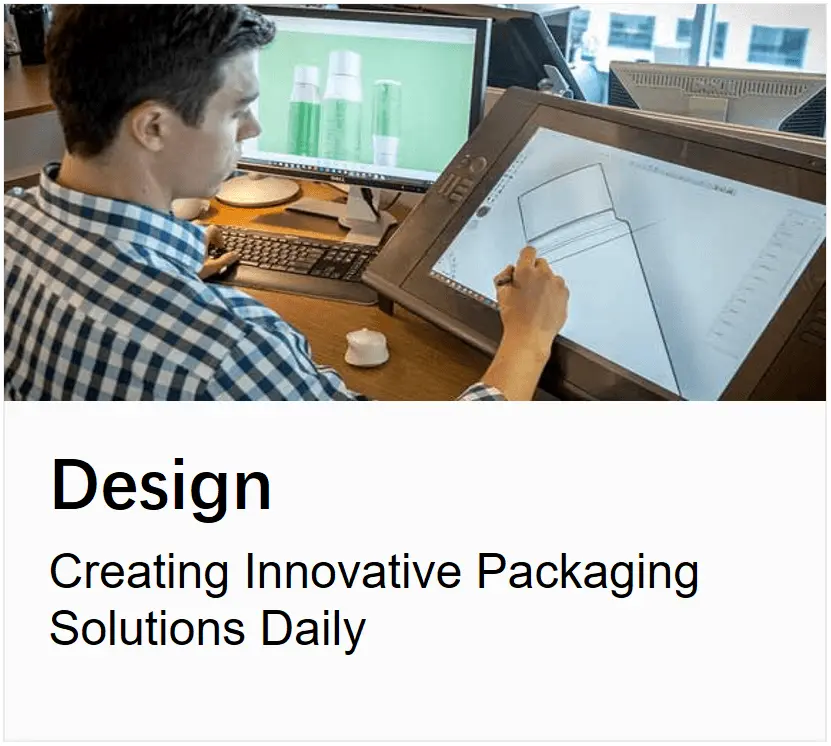
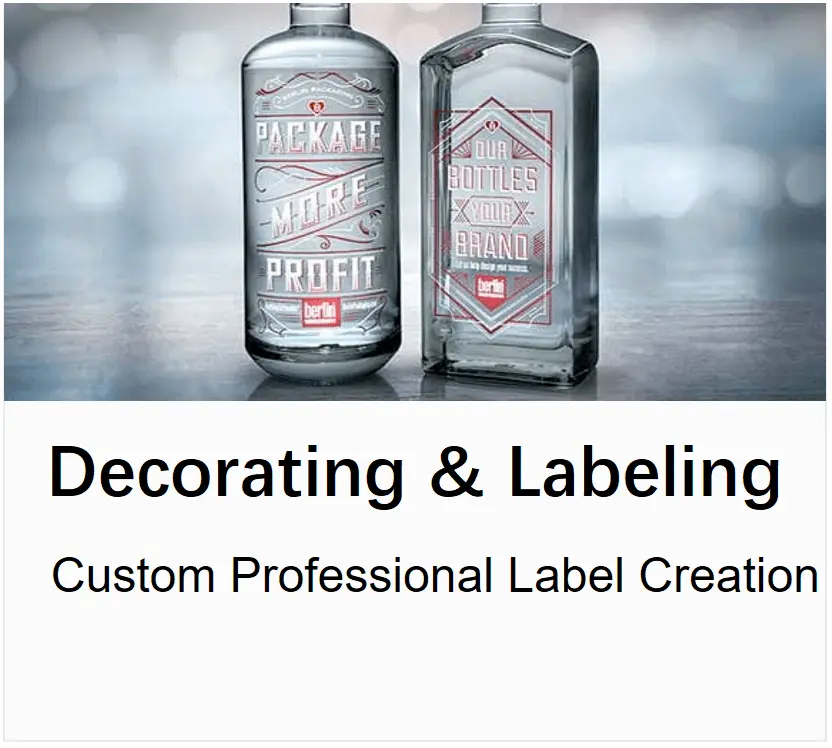
Our premier custom bottle manufacturing service, with an optimized supply chain, seamlessly transforms your concepts into stunning packaging solutions.

Crafting our custom glass packaging solutions within our state-of-the-art bottling facility enables us to drive down costs while ensuring swift delivery of top-notch finished goods.

Avail yourself of our complimentary glass bottle samples, aiding you in solidifying your decision to invest in our premium glass bottle selections, facilitating bulk purchases with confidence.
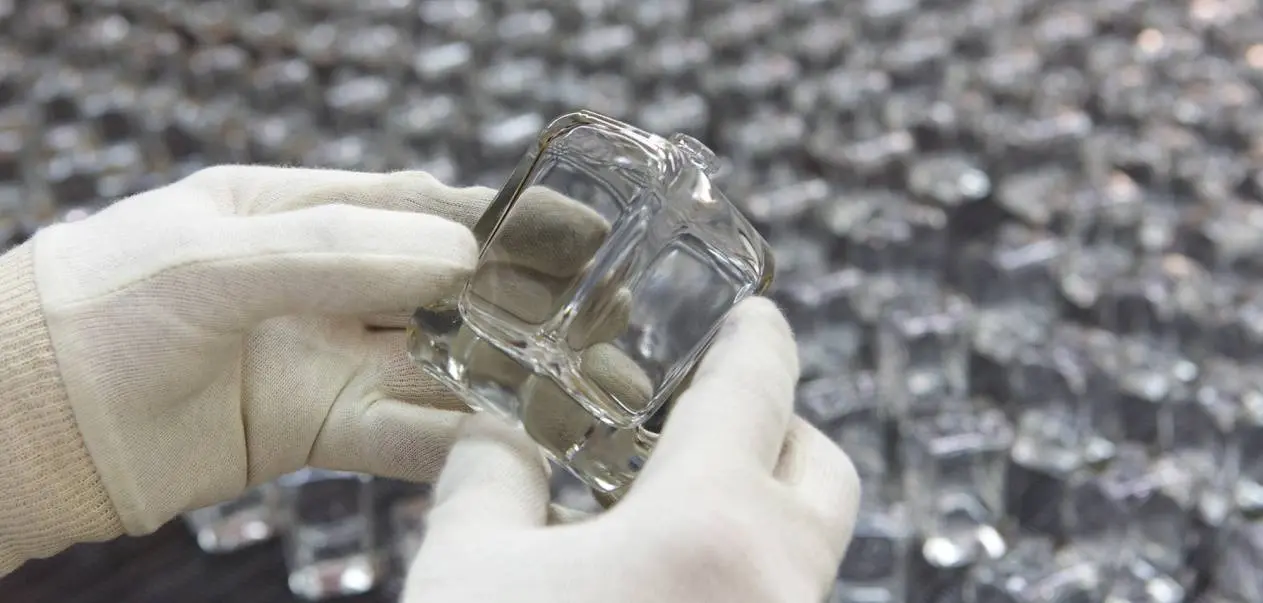
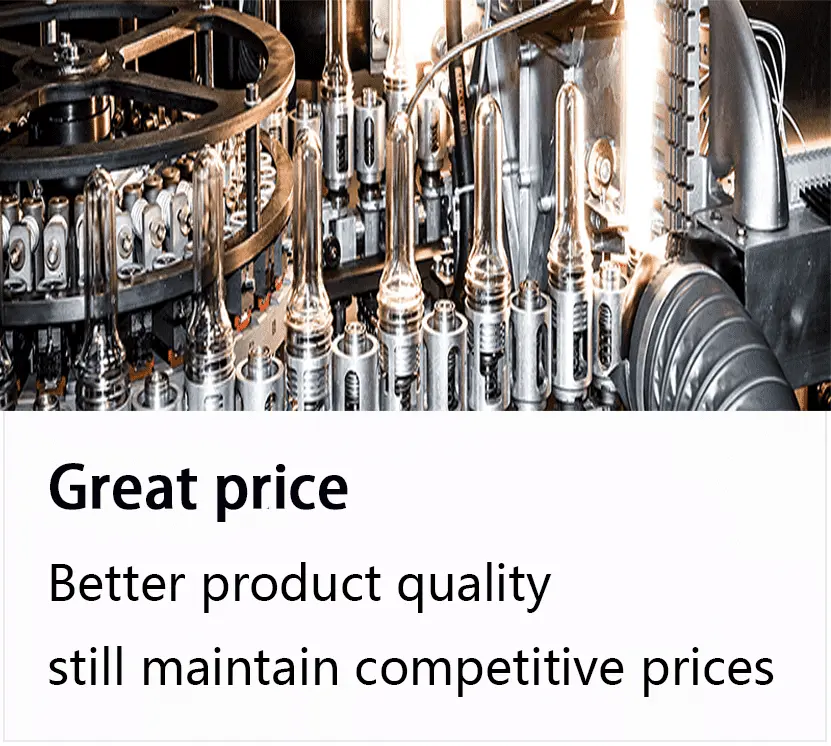
For buyers in Kiribati, transport routes from the mainland present real obstacles. To balance high freight costs, the source-side production must achieve maximum cost-efficiency. Our state-of-the-art production lines feature advanced automated inspection systems. Standardized IS (Individual Section) forming machines execute precise blowing and pressing techniques to eliminate structural air pockets, maintaining consistent wall thickness.
Additionally, optical cameras and lasers on the cold end of production detect microscopic cracks, surface abrasions, and alignment variations. By automating quality control, we lower factory reject rates, passing those savings directly to our clients. These processes ensure that every batch of amber, cobalt blue, and green glass withstands the dynamic forces of crane handling and long ocean crossings.
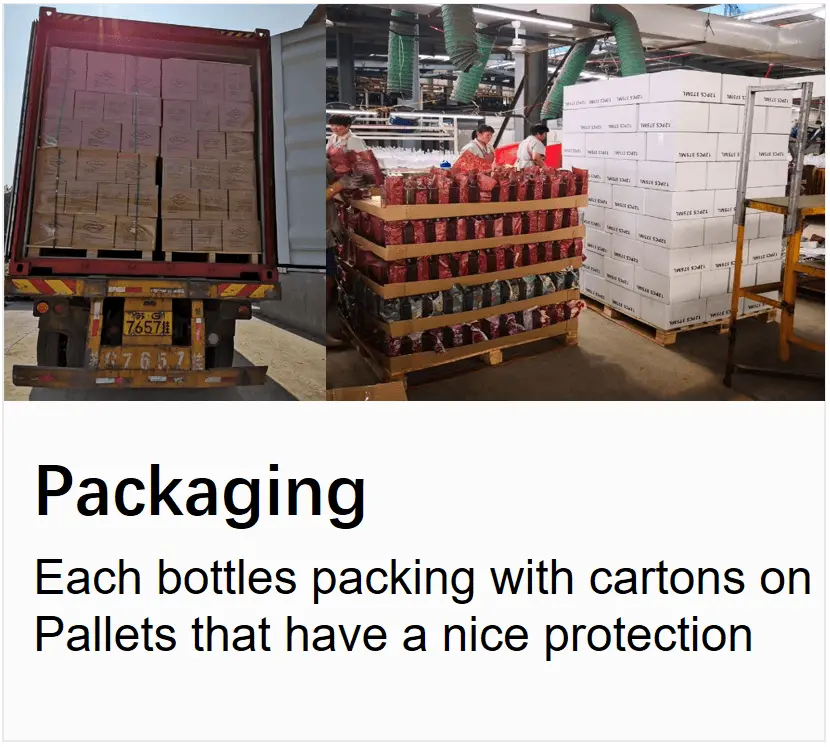
Every shipment sent to Micronesia undergoes high-integrity packaging preparation. Bottles are placed on fumigated IPPC-compliant wooden pallets, wrapped in heavy-duty thermoresistant shrink films, and reinforced with sturdy corner protectors. This configuration prevents shifting within containers under high sea swells, guarding against friction and thermal cracks in tropical environments.
In Stock, On Time: Your Swift Solution for Premium Packaging. Ready to Ship Excellence!
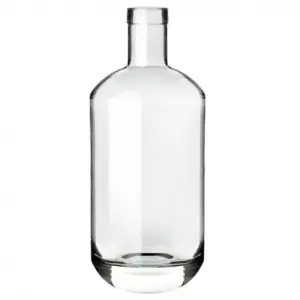
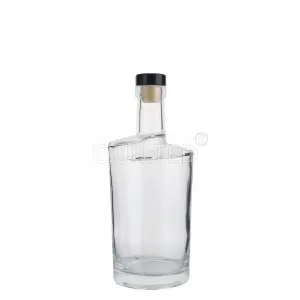
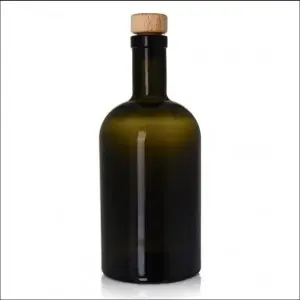
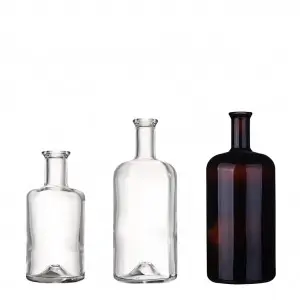
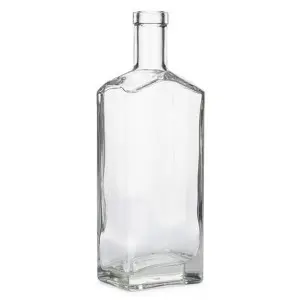
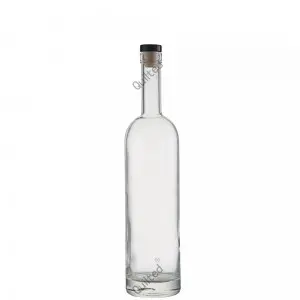
Uncompromising compliance metrics ensuring cargo stability under extreme humidity and transportation conditions.
Packaging imported to Micronesia must withstand rapid temperature changes. The shift from chilled warehouse environments to hot container conditions on shipping docks often triggers thermal shock in poorly manufactured glass. Our glass undergoes high-temperature annealing inside temperature-controlled lehrs to relieve mechanical tension.
Our bottles consistently exceed a thermal shock resistance threshold ($\Delta T$) of $42^\circ\text{C}$. This stability protects carbonated beverages (such as beer, ciders, and sodas) against sudden pressure changes, reducing breakage rates during transport to remote locations.
We comply strictly with international safety standards, including FDA regulations and EU Directive 94/62/EC. We test each batch to ensure total heavy metals (lead, cadmium, mercury, and hexavalent chromium) fall well below 100 ppm, providing safe packaging for both consumers and environments.
Coordinating delivery to Kiribati requires precise logistics planning. Our logistics teams manage freight consolidation, clear customs documentation, and coordinate with regional carriers serving Micronesia. By standardizing pallet loads and maximizing space inside ocean containers, we reduce per-bottle transit costs, making premium glass packaging highly cost-effective for local importers.
Our integrated processes encompass raw material crushing and mixing, precise batching, melting, shaping, and meticulous annealing, ensuring top-notch quality at every step.
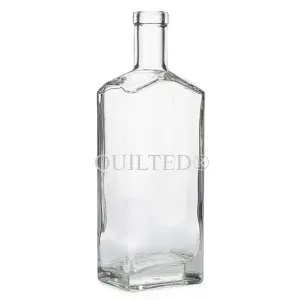
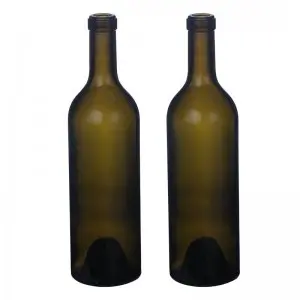
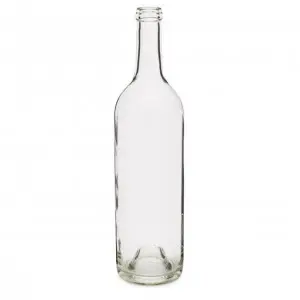
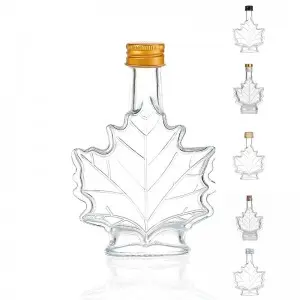
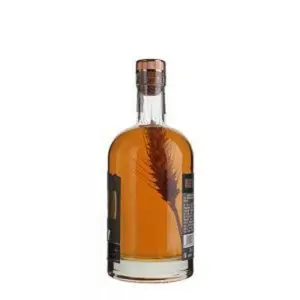
Our production facilities utilize modern glass testing tools to ensure consistent quality.
Each production batch undergoes continuous stress testing inside our quality assurance labs. Key evaluation standards include:
Direct information regarding minimum order quantities, shipping logistics, customs processes, and technical specifications.
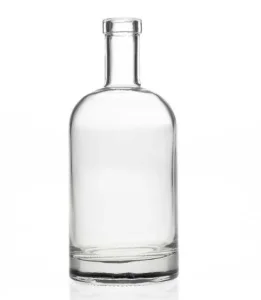
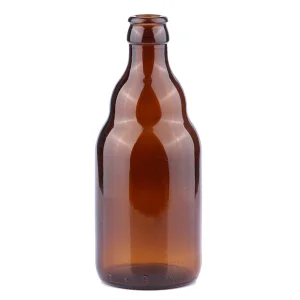
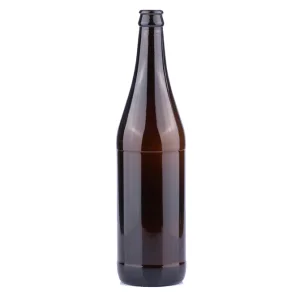
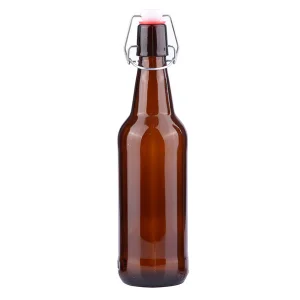
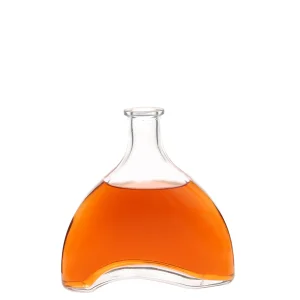
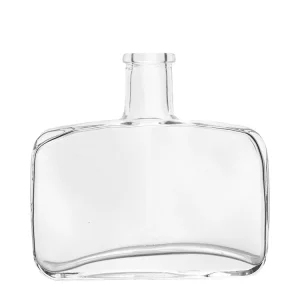
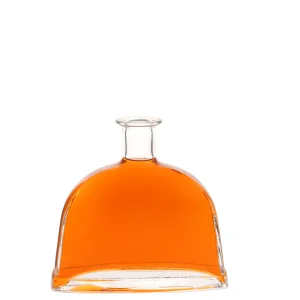
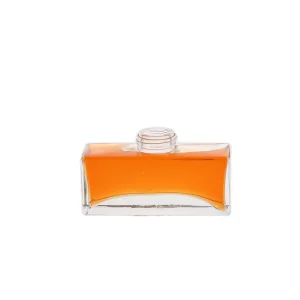
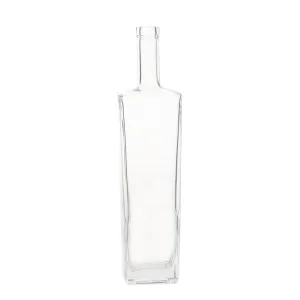
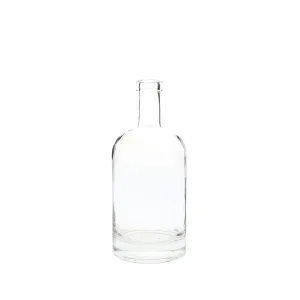
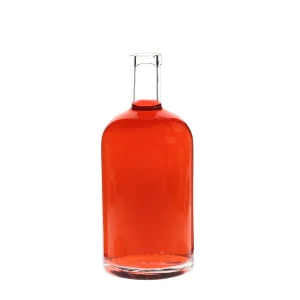
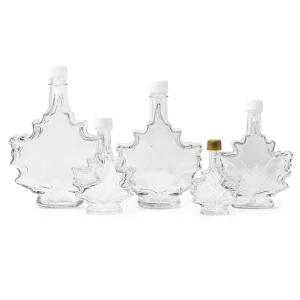
Innovative shapes and functional geometries engineered to stand out on retail shelves and maintain integrity under demanding transport conditions.
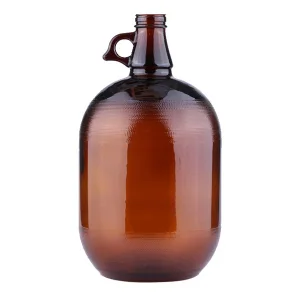
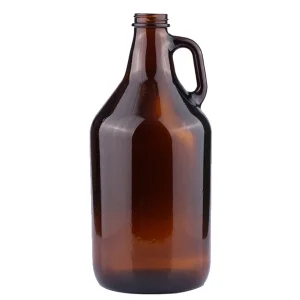
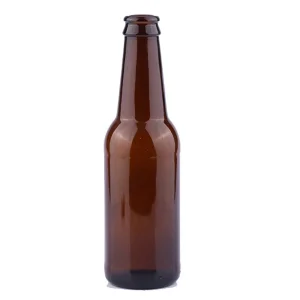
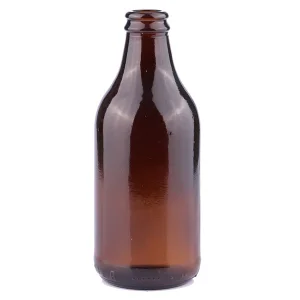
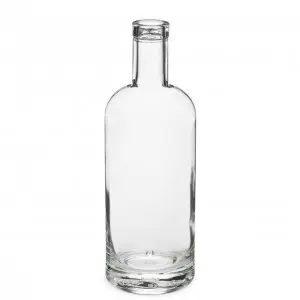
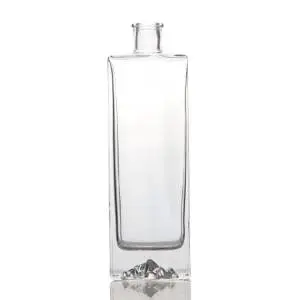
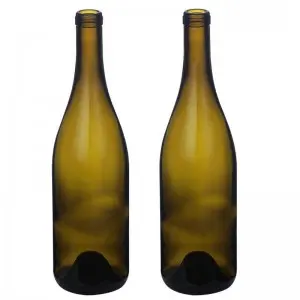
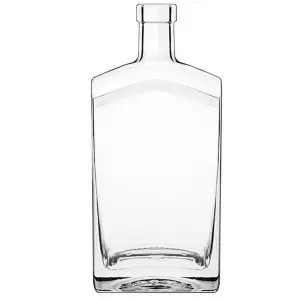
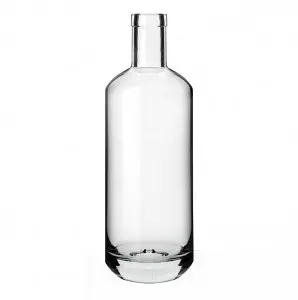
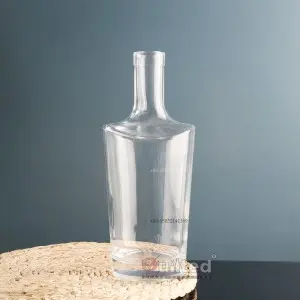
Explore our main product configurations available for containerized shipping to South Tarawa, Kiritimati, and outer islands.