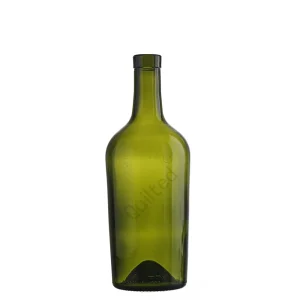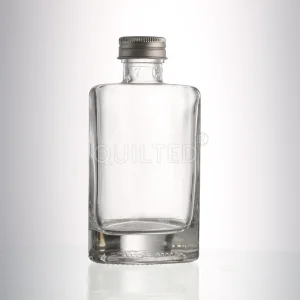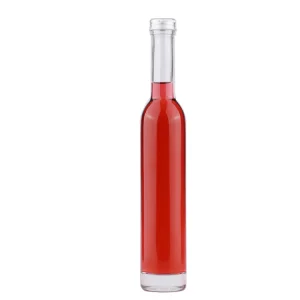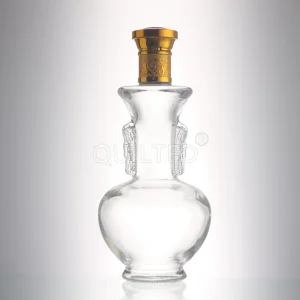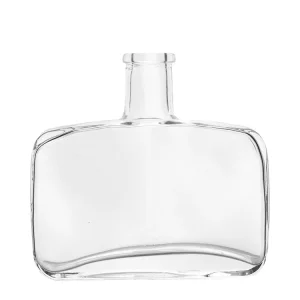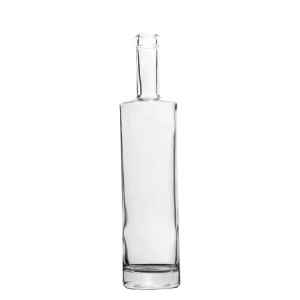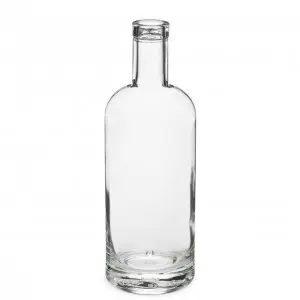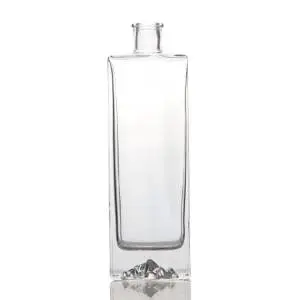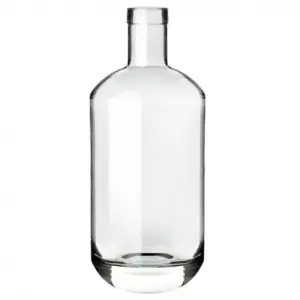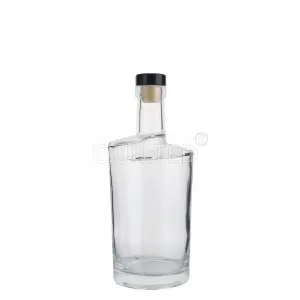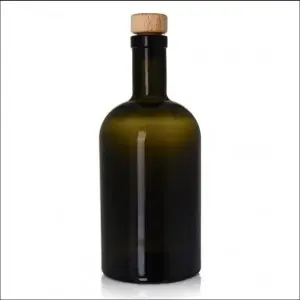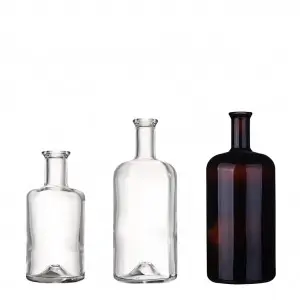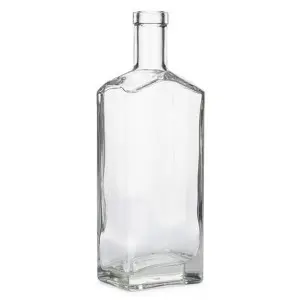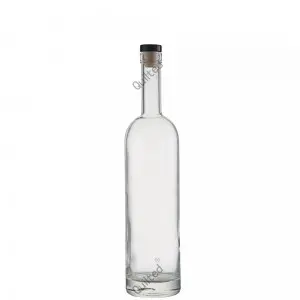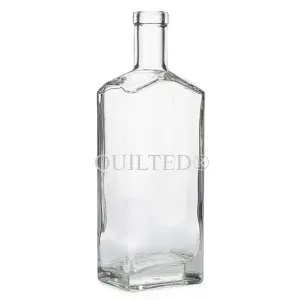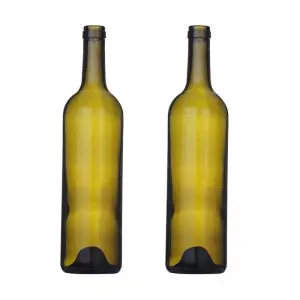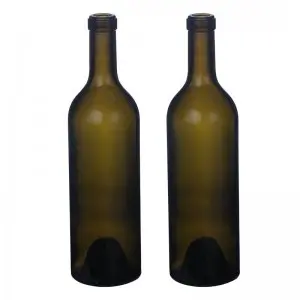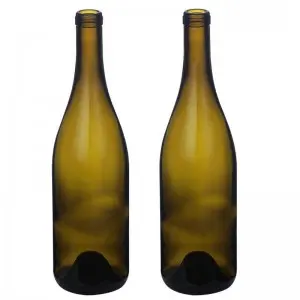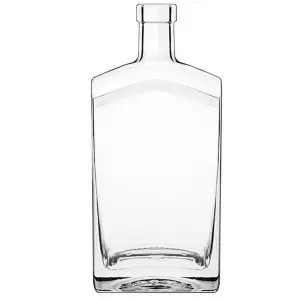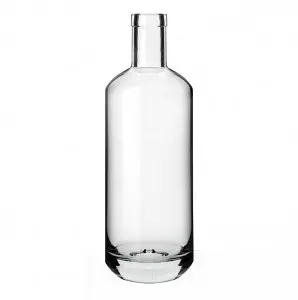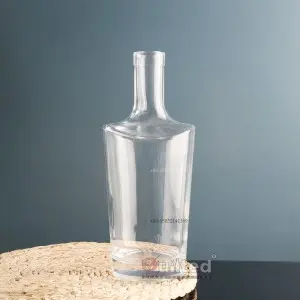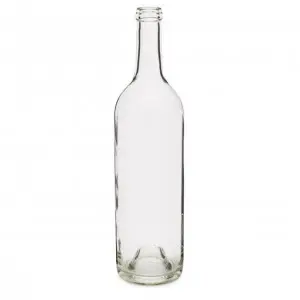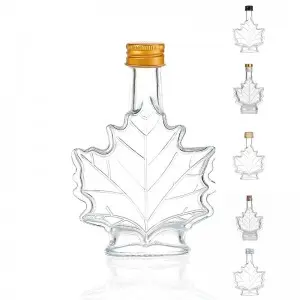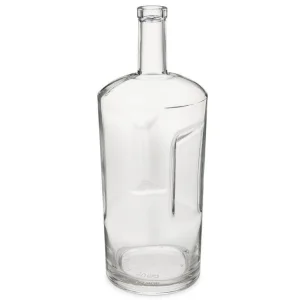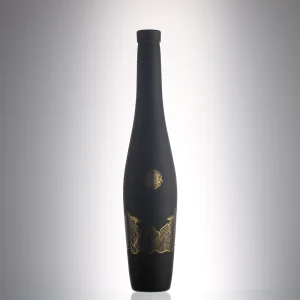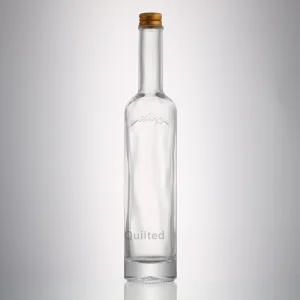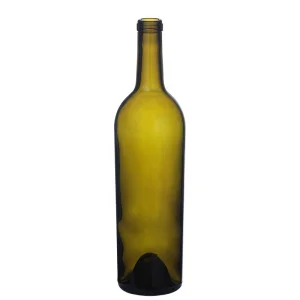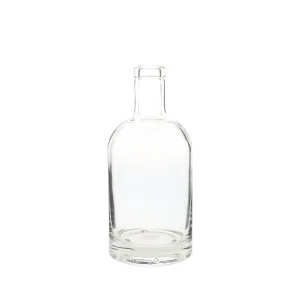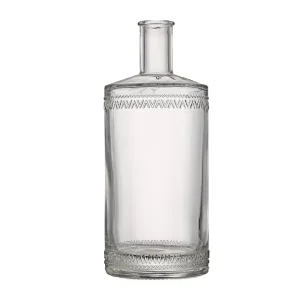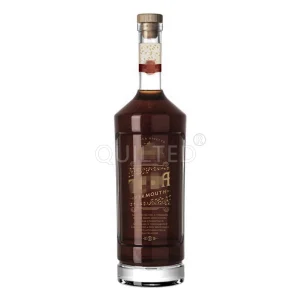
Browse our select collection of primary spirits and wine bottles, engineered for high-performance sealing, visual clarity, and shelf-impact.
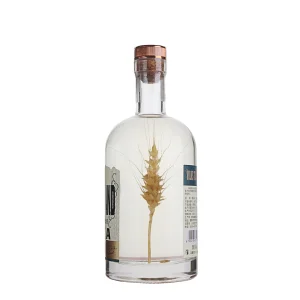
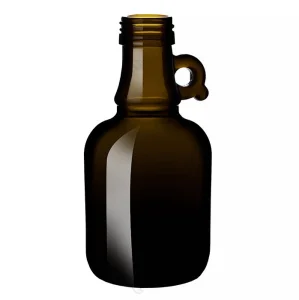
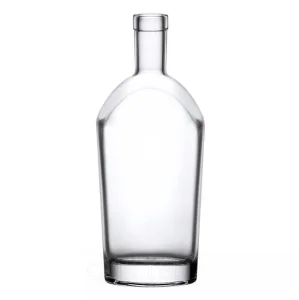
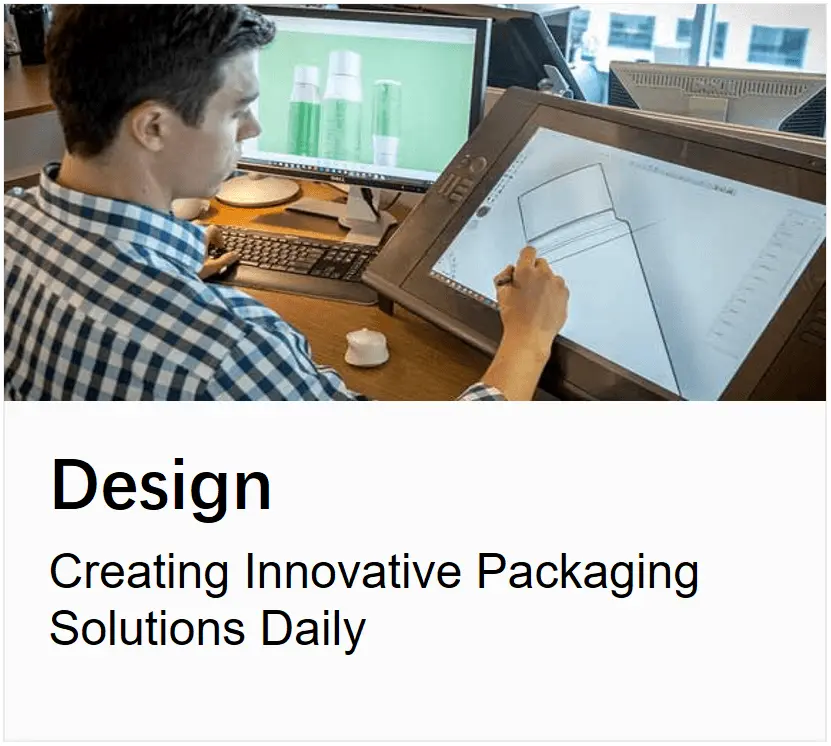
Streamlined, end-to-end integration designed to support scaling brands, from CAD modeling to structural integrity validation.

Our premier custom bottle manufacturing service, backed by an optimized international supply chain, seamlessly transforms your artisanal and premium beverage concepts into market-defining glass packaging solutions.

Crafting our custom glass packaging solutions within our state-of-the-art bottling facility enables us to minimize secondary markup, drive down cost curves, and ensure swift, scheduled delivery of high-quality finished products.

Eliminate supply chain uncertainty. Take advantage of our comprehensive complimentary glass bottle prototyping and sampling program, allowing your procurement team to order bulk inventories with absolute product alignment.
The global wine and spirits industry is experiencing a profound paradigm shift driven by ecological awareness, shelf premiumization, and strict regulatory standards. Modern brands no longer view bottles and closures as mere containment units; they are vital touchpoints of the product's quality, heritage, and carbon profile. In today's competitive global market, weight optimization (lightweighting) has emerged as a major design imperative. Reducing glass weight while preserving structural integrity minimizes carbon emissions during transportation, yielding substantial operational savings for large-scale importers and distributors.
Concurrently, the science of closure systems has advanced dramatically. Synthetic, natural, and micro-agglomerated corks must now satisfy specific oxygen transmission rates (OTR) tailored to the storage profile of individual wines. Wineries are systematically matching the aging potential of their vintages with cork solutions designed to prevent TCA contamination (cork taint) and prevent oxidation. As wholesale wine bottle and cork manufacturers, we continuously align our glass tolerances and cork elasticity to ensure perfect mechanical hermetic seals under diverse shipping climates.
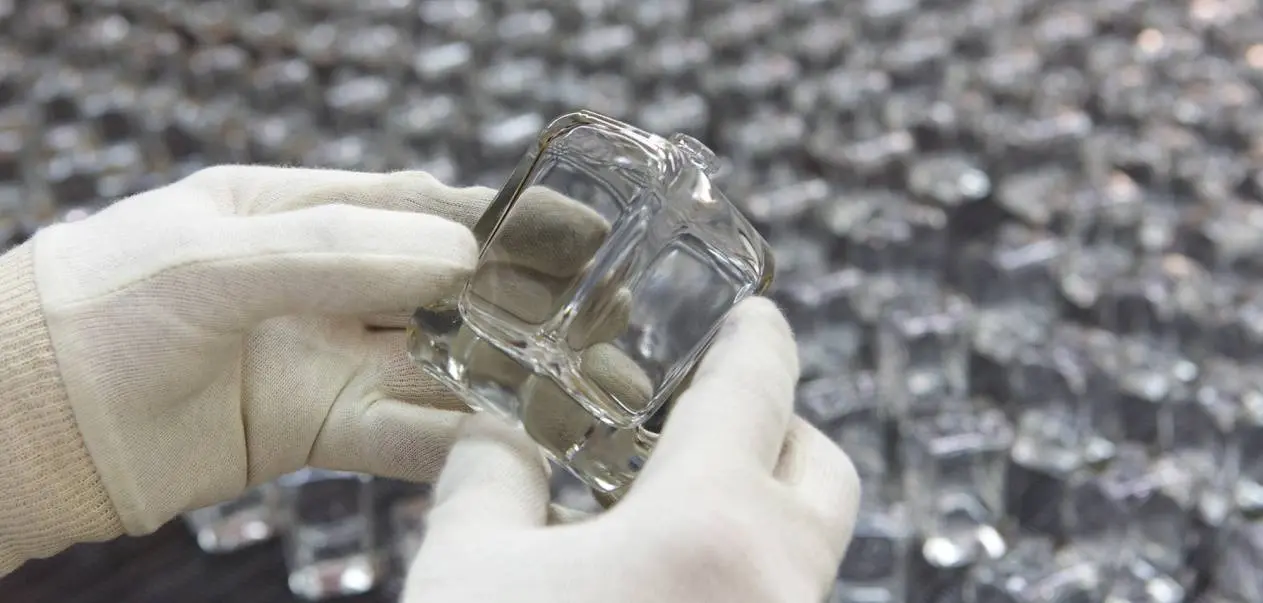
How automated production systems, raw material control, and vertical integration shield global buyers from volatility.
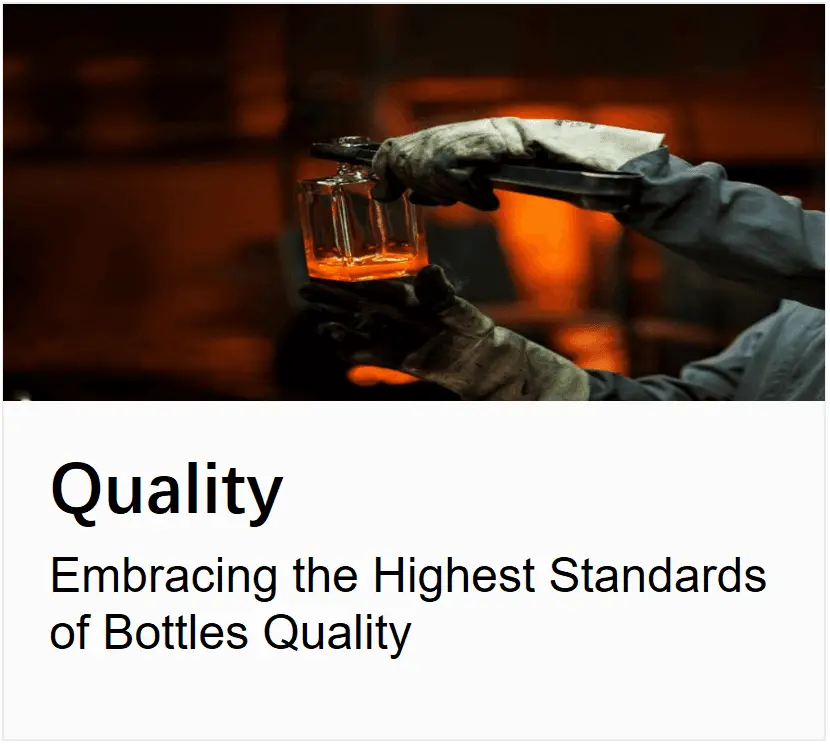
The contemporary global supply chain demands more than simple low-cost production; it demands absolute reliability and consistency. Our China Factory 4.0 production philosophy integrates advanced automated batching systems, real-time furnace monitoring, and automated high-speed cold-end optical scanning to detect defects before glass leaves the factory gates. From raw material crushing and mixing to precise batching, melting, shaping, and meticulous annealing, each production step is recorded and monitored by digital quality control frameworks.
“Supply chain resilience isn't just about manufacturing capacity; it's about integrating raw material sourcing, glass melting, and cork molding under a unified quality framework to protect international brands against variations in tolerance and physical shock.”
To eliminate sealing failures, we maintain a vertical integration protocol that tests the interaction between the wine bottle neck finish and the cork closure. Glass, as a material, behaves under thermodynamic stress during transport; hence, our annealing ovens utilize precise cooling curves to eliminate internal residual stresses. The result is a bottle that resists thermal shock and mechanical impacts on high-speed industrial bottling lines, protecting your wine throughout its journey to the end consumer.
Using computerized raw material dosing, we maintain a consistent glass color and chemical profile, ensuring excellent optical clarity and UV protection for light-sensitive vintages.
Dual-station optical inspects scan every millimeter of the neck-finish bore, checking for micro-fissures, bubbles, and shape deviations that could compromise the cork seal.
By testing cork density, moisture levels, and rebound rates directly against our blown bottles, we deliver pre-validated systems that reduce leakage claims to near zero.
Explore our premium selection of glass containers, built to preserve product character and project high-shelf premiumization.
How we guarantee consistent chemical and mechanical property distributions across high-production runs.
As a leading Chinese glass bottle manufacturer, we manage the complete lifecycle of our products from start to finish. Our fully integrated processes encompass raw material crushing and mixing, precise batching, melting, shaping, and annealing, ensuring quality at every step.
We start by selecting high-purity silica sand, soda ash, and calcium carbonate to minimize heavy metal residues. Automated batching software controls the raw material proportions, feeding the batch into high-temperature regenerative furnaces. During the shaping phase, automatic blow-and-blow or press-and-blow machinery creates consistent glass walls. Finally, the glass is slowly cooled in an annealing tunnel (lehr) to relieve internal stress, ensuring durability during high-speed bottling and transit.
Read Full Process SpecsExplore our custom bottle designs, tailored to meet specific branding goals and industrial standards.
When sourcing bulk wine bottles and cork closures globally, understanding physical dimensions and tolerances is critical. A secure seal requires precise structural alignment between the inner bore profile of the glass neck (the corkage mouth) and the outer cellular memory of the selected cork closure. Industry standards like the CETIE (Centre Technique International de l'Embouteillage) and GPI/GCMI finish templates define these standards. Even a 0.5mm variation in inner neck diameter can cause leaking, cork protrusion, or oxygen leakage.
For high-volume wine packagers, using natural or micro-agglomerated corks requires strict control over moisture content, density, and compression recovery. Our production quality control team uses standardized testing protocols to check performance metrics:
How we adapt glass formulations and finish treatments to regional climatic demands and bottling architectures.
Bottling at altitude exposes primary packaging to changes in atmospheric pressure. We supply cork closures with enhanced expansion memory and bottles with thicker bases to handle these pressure differences during distribution.
Hot and humid conditions can degrade low-quality adhesives and natural corks. Our corks undergo sterile washing and polymer coating treatments to prevent mold growth and leakage in humid environments.
For automated lines running over 10,000 bottles per hour, our cold-end surface treatment using monostearate films helps protect against scuffing and reduces line friction.
Answers to technical questions from logistics directors and procurement engineers.
Find the ideal primary packaging solution. Choose from a variety of glass colors, finish specs, and sizes.