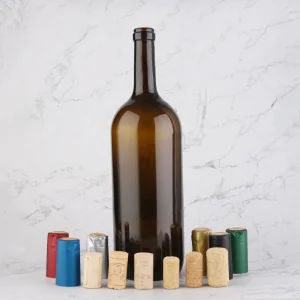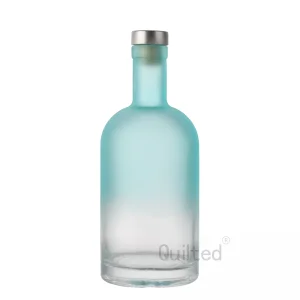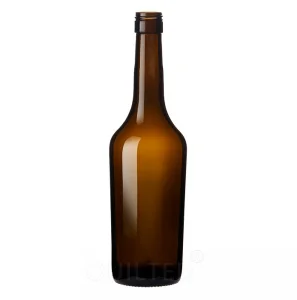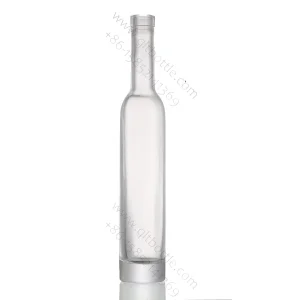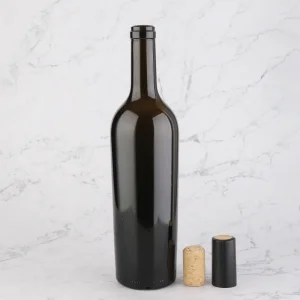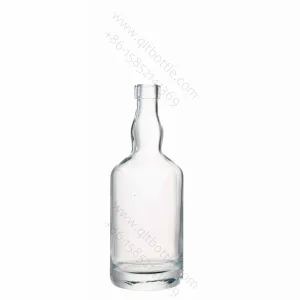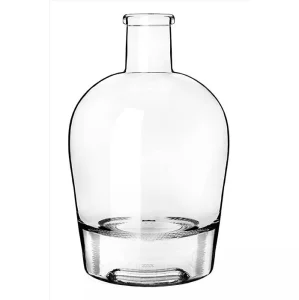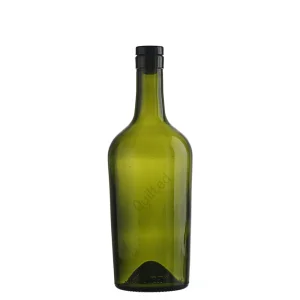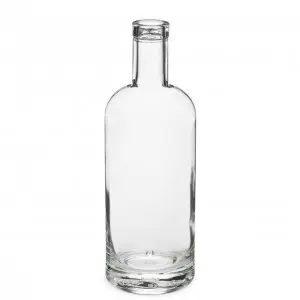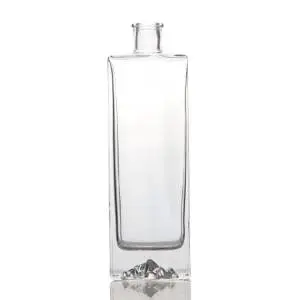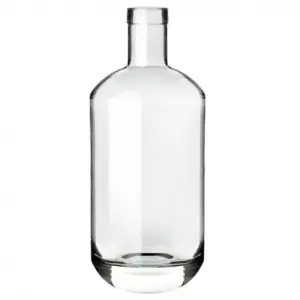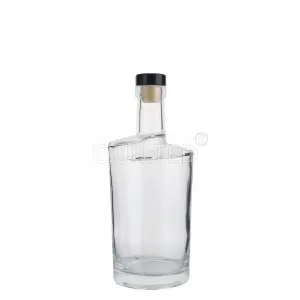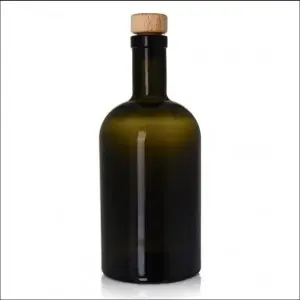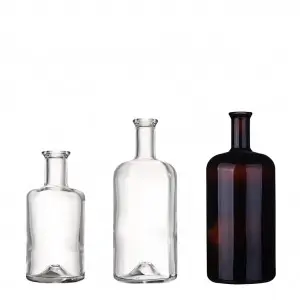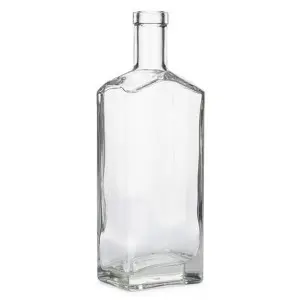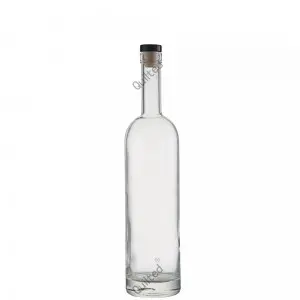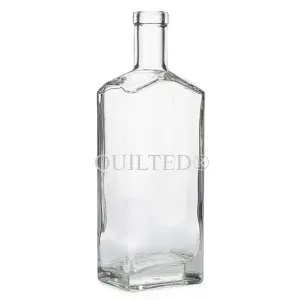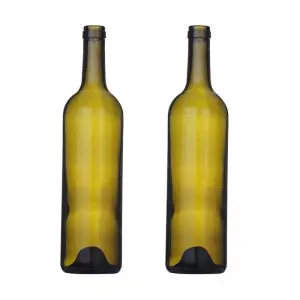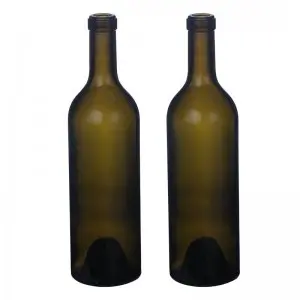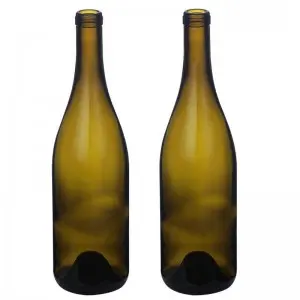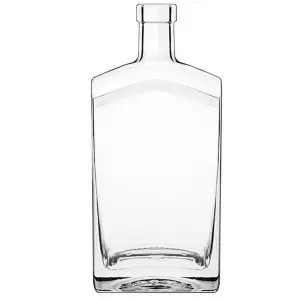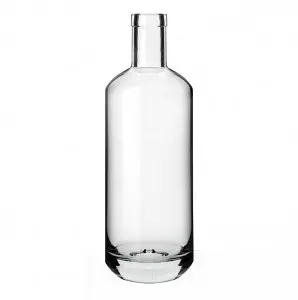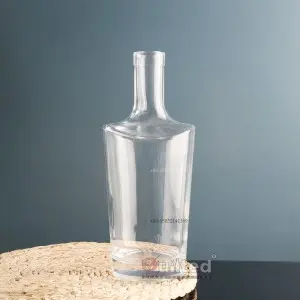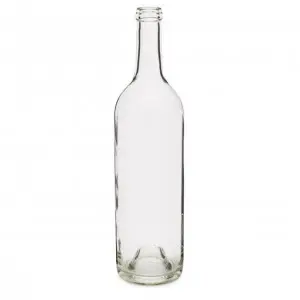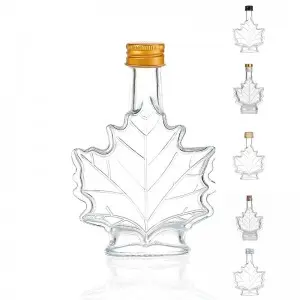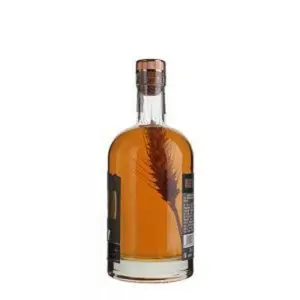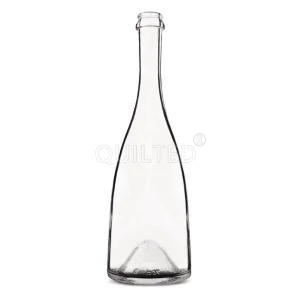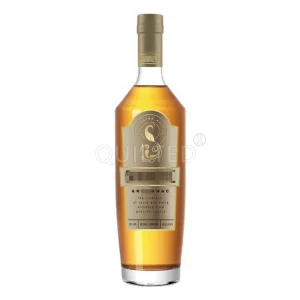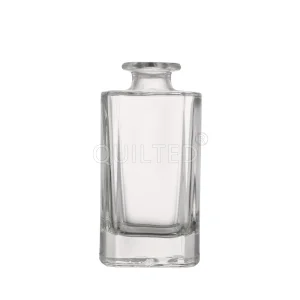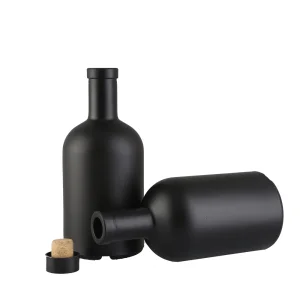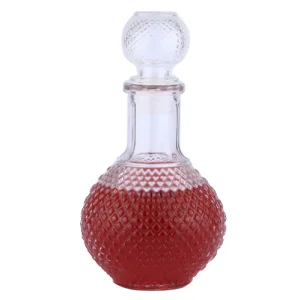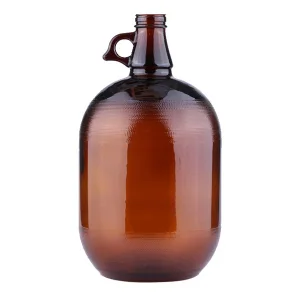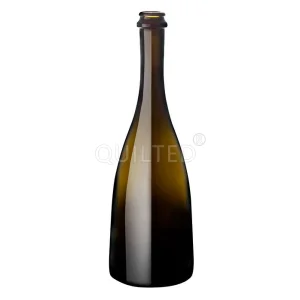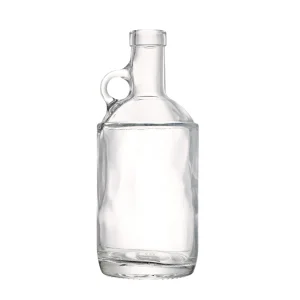
Explore our leading container configurations engineered for commercial bottling efficiency and superior shelf life.
Empowering global beverage brands through end-to-end processing controls, bespoke molding, and physical verification.

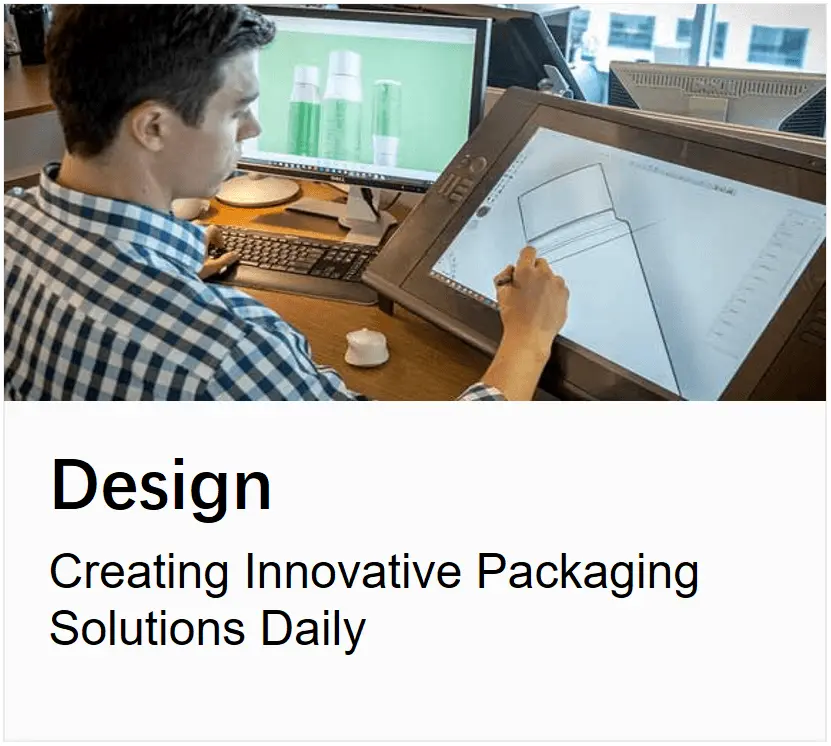
Our premier custom bottle manufacturing service, with an optimized supply chain, seamlessly transforms your concepts into stunning packaging solutions.

Crafting our custom glass packaging solutions within our state-of-the-art bottling facility enables us to drive down costs while ensuring swift delivery of top-notch finished goods.

Avail yourself of our complimentary glass bottle samples, aiding you in solidifying your decision to invest in our premium glass bottle selections, facilitating bulk purchases with confidence.
The global wine industry is undergoing a structural paradigm shift. Today, selecting a wholesale glass bottles for wine making manufacturer & supplier is no longer just about cost-per-unit metrics. It is an engineering choice defined by ecological demands, physical containment properties, and logistics efficiency. Modern wineries and commercial merchant bottlers require containers that satisfy stringent carbon footprint caps while offering absolute chemical inertness, preventing oxidation, and maintaining structural integrity across international supply chains.
One of the most significant changes in global glass bottle supply is the transition to lightweight glass. Historically, heavy glass bottles were associated with premium wines. Today, however, transport emission regulations have transformed weight into a liability. Leveraging the advanced **Narrow Neck Press and Blow (NNPB)** forming process, manufacturers can engineer bottles that are 20% to 35% lighter without compromising vertical load capacity or internal hydrostatic pressure thresholds.
By optimizing glass distribution within the mold cavity, we ensure that critical stress zones—such as the heel, shoulder, and finish—maintain standard wall thickness. This reduction in weight directly translates to reduced shipping costs and minimized scope-3 emissions for global distributors.
Beverage packaging requires strict compliance with international food contact standards. B2B buyers must ensure their suppliers meet the highest benchmarks:
In Stock, On Time: QLT Glass, Your Swift Solution for Premium Packaging. Ready to Ship Excellence!
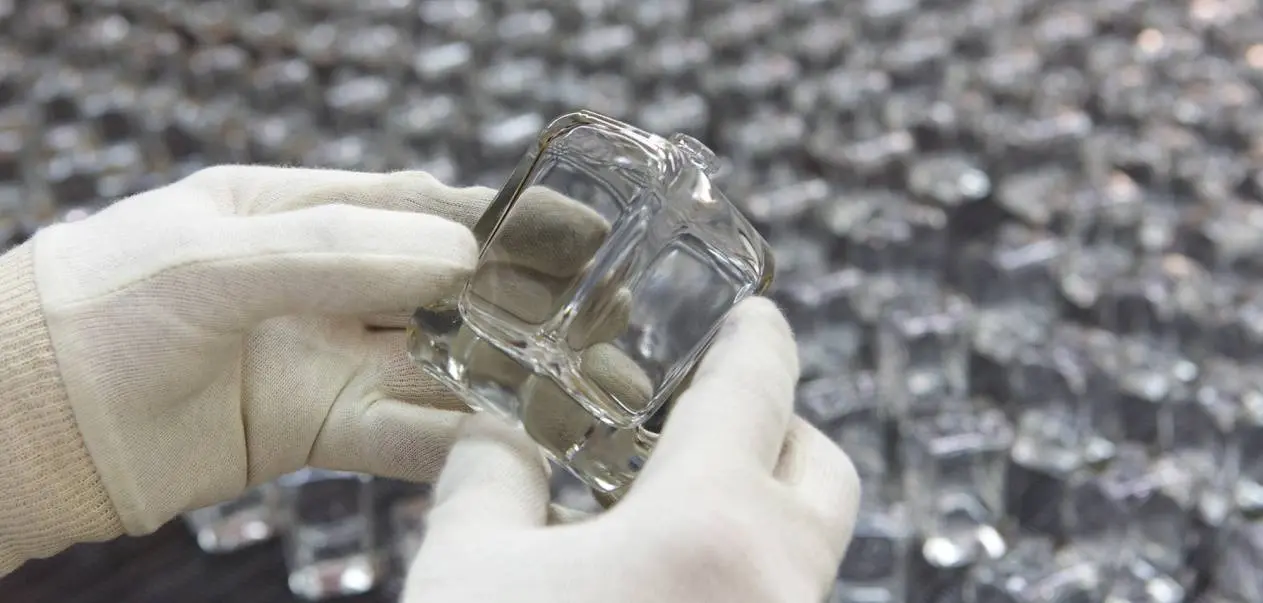
As a leading Chinese glass bottle manufacturer, we take pride in our ability to produce glass bottles from start to finish. Our integrated processes encompass raw material crushing and mixing, precise batching, melting, shaping, and meticulous annealing, ensuring top-notch quality at every step.
By controlling every step of production, we ensure our clients receive consistent quality, reliable lead times, and structural durability that meets international regulations.
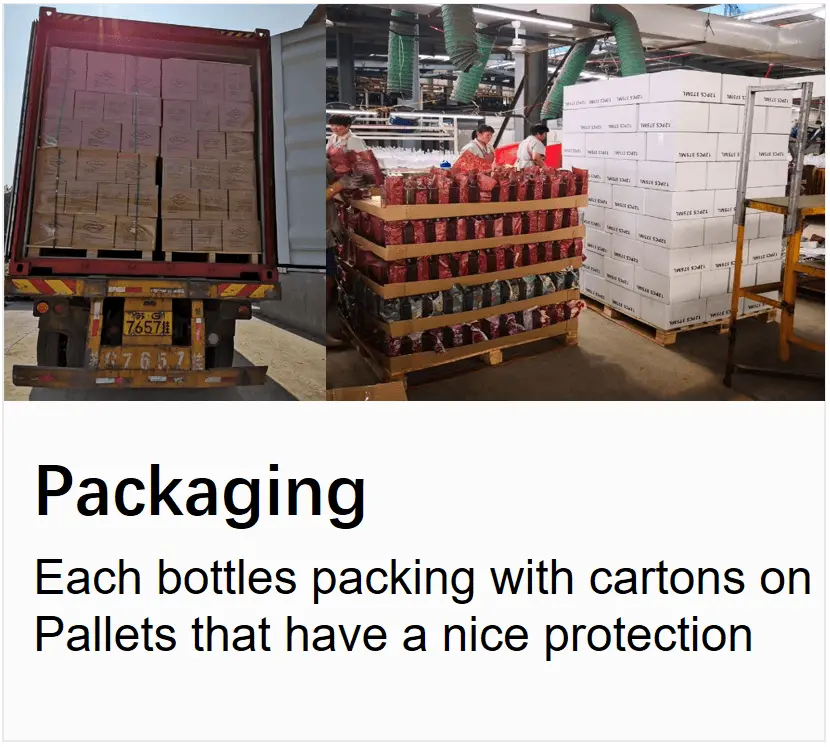
Learn More About UsModern glass manufacturing requires precision automation. Our smart factories integrate industrial automation (Factory 4.0), ensuring that from batch preparation to final pallet packaging, human error is minimized. This systematic control guarantees consistency across high-volume production runs.
Quality begins with raw material control. Our batch house uses automated weighing systems to blend high-grade silica sand, soda ash, limestone, and cullet (recycled glass). This computerized control guarantees consistent chemical ratios, eliminating glass stones, cord lines, and physical blemishes that can weaken the finished product.
Raw materials are melted in natural-gas-fired furnaces at temperatures up to 1500°C. By using oxygen-fuel combustion and waste-heat recovery, we minimize energy use while maintaining the stable glass viscosity required for high-speed forming machines. This thermal stability helps prevent micro-bubbles and structural flaws.
Equipped with state-of-the-art **Individual Section (IS) forming machines**, our production lines can switch between Blow-and-Blow and Press-and-Blow methods. Every mold is engineered with precision tolerances of ±0.5mm, ensuring consistent finish geometry, neck alignment, and push-up dimensions. This precise calibration helps prevent leaks on automated corking and capping lines.
| Performance Metric | Standard Market Grade | QLT Glass Factory 4.0 Grade | Target Quality Outcome |
|---|---|---|---|
| Wall Thickness Tolerance | ±0.8 mm | ±0.3 mm | Eliminates structural weak points; reduces filling line breakage. |
| Thermal Shock Resistance | ≥ 38°C differential | ≥ 45°C differential | Withstands high-temperature pasteurization and hot-filling. |
| Vertical Load Resistance | ≥ 1,800 N (180 kgf) | ≥ 3,000 N (300 kgf) | Prevents crushing during multi-tier container transport. |
| Neck Dimension Accuracy | ±0.5 mm | ±0.15 mm | Ensures hermetic seal with cork or screw cap; prevents wine oxidation. |
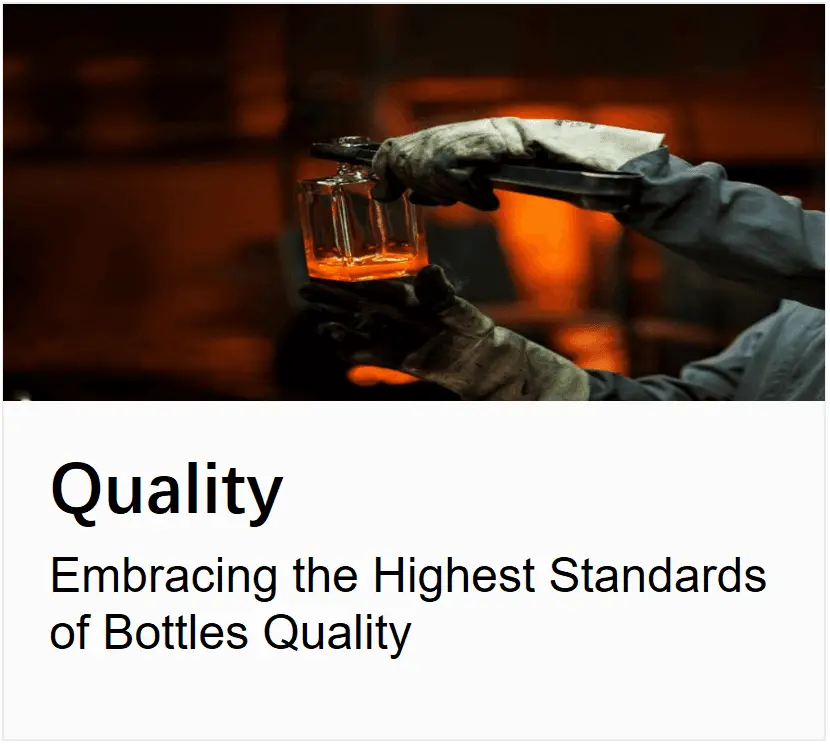
Before packaging, every bottle passes through automated inspection lines. Dual-camera systems inspect the finish, bottom, and body for cosmetic blemishes, stone inclusions, or deviations in wall thickness. High-frequency electromagnetic sensors also verify vertical alignment and seal surface flatnesses. Defective bottles are automatically diverted and recycled back into the furnace.
A comprehensive portfolio of shapes, volumes, and finishes designed for premium table wines, vintage reserves, and boutique spirits.
Different types of wine require specific chemical profiles and physical shapes. Choosing the right bottle shape is about both marketing and preserving the chemical integrity of the wine.
Wine is sensitive to photo-oxidation, often referred to as "lightstruck" fault (goût de lumière). Ultraviolet (UV) light between 350nm and 450nm breaks down amino acids in wine, releasing volatile sulfur compounds that spoil the aroma.
Our catalog includes classic shapes optimized for modern bottling lines:
Technical guidance on glass performance metrics, customization timelines, and international shipping protocols.
Explore our additional inventory, including heavy spirits containers, decanters, and specialty amber glass configurations.