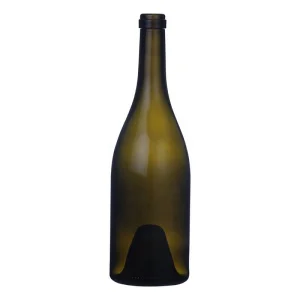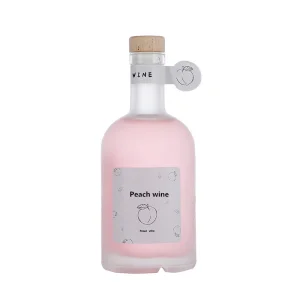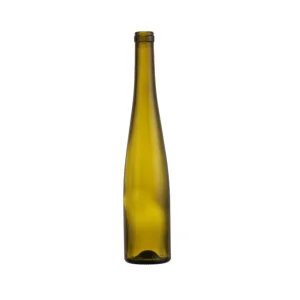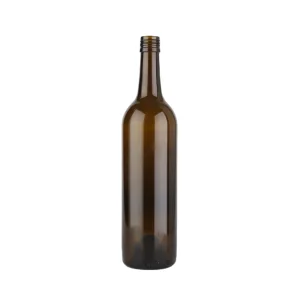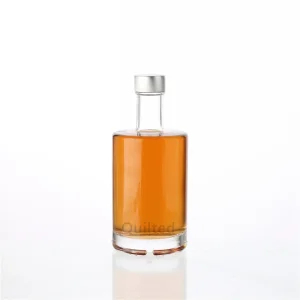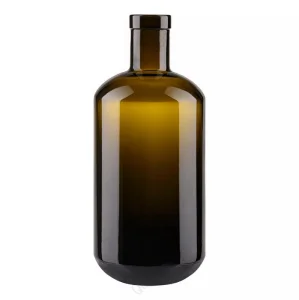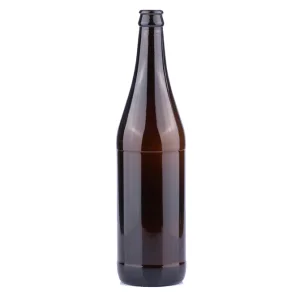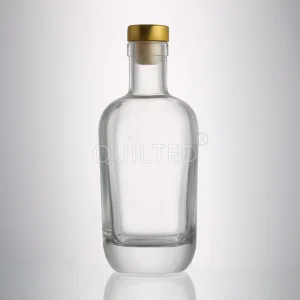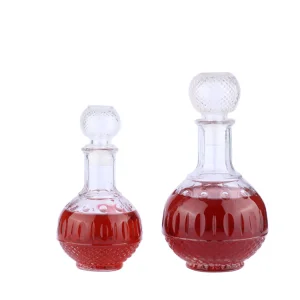
The closure industry has evolved from simple stoppers to high-tech atmospheric regulators.
In 2024, the "Wholesale Cork of Bottle" sector is witnessing a paradigm shift. As a leading manufacturer, we understand that a cork is not just a lid; it is the definitive guardian of the beverage's chemistry. The global market, valued at over $20 billion for packaging closures, is increasingly leaning toward Natural and Micro-agglomerated corks due to their unique "Oxygen Transmission Rate" (OTR) properties.
European markets (led by Portugal) still dominate supply, but integrated Chinese manufacturing hubs have revolutionized the industry by combining glass bottle production with precision closure engineering. This synergy reduces supply chain latency and ensures a perfect hermetic seal, crucial for premium spirits like whiskey, gin, and aged wines.
Seal Integrity
Carbon Footprint
Industrial Status: Modern factories are now deploying AI-driven optical sorting to detect structural flaws in cork bark that the human eye cannot see. This ensures that "wholesale cork" doesn't mean "compromised quality."
Cork is the ultimate renewable resource. As a supplier, we focus on 100% biodegradable materials. The trend is moving toward "Carbon Neutral" packaging certifications which major liquor brands now demand for their ESG goals.
2,4,6-Trichloroanisole (TCA) is the enemy of wine. Our manufacturing process utilizes supercritical CO2 extraction to eliminate cork taint, ensuring that every wholesale batch meets the highest sensory standards.
From laser-engraved logos to top-cap materials like wood, crystal, or recycled plastic, "Cork of Bottle" manufacturers are now becoming design partners for brand storytelling.
Our commitment to E-E-A-T (Experience, Expertise, Authoritativeness, and Trustworthiness) is reflected in our vertically integrated production. Unlike traders, we control the raw material batching and the shaping process.
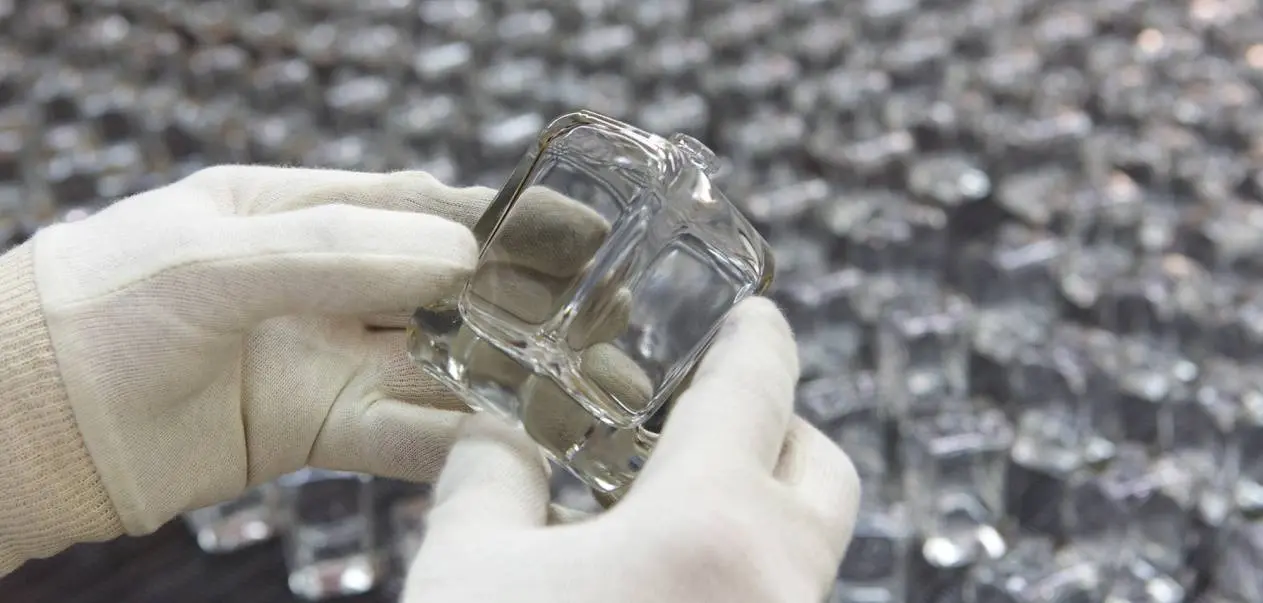
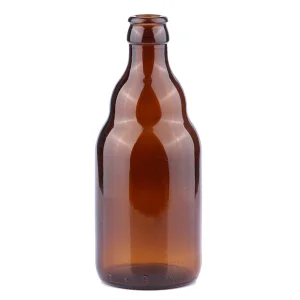
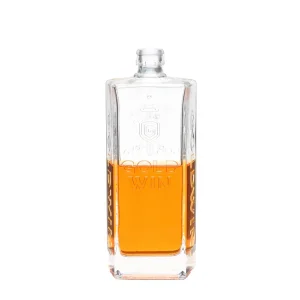
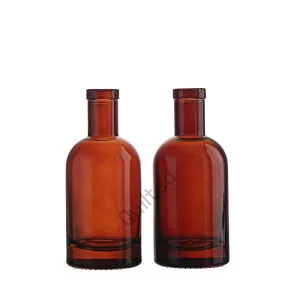
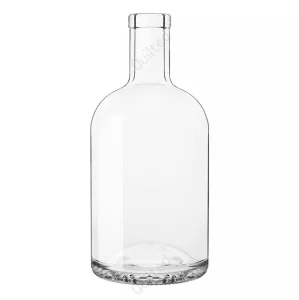
We provide a Free Glass Bottle Sample service to allow brands to test the physical fit between our glass and cork solutions before committing to bulk wholesale orders.
Small-batch distilleries in the UK and USA require small-neck T-corks that offer a premium "pop" sound—a psychological trigger for quality.
Traditional Bordeaux and Burgundy wine regions demand long-format natural corks (45mm+) for long-term aging potential of 10-20 years.
A growing trend in the APAC region uses cork stoppers for essential oils and bath salts, leveraging the antimicrobial properties of natural suberin.
We provide a "Turnkey" experience. From the initial 3D design to the final shipping logistics.

Transforming concepts into stunning physical assets with optimized supply chains.

State-of-the-art facility driving down costs while ensuring swift delivery of goods.

Solidify your decision with physical prototypes before bulk investment.
Q: What is the difference between natural and agglomerated cork?
A: Natural cork is cut from a single piece of bark, ideal for high-end aging. Agglomerated cork is made from granules, offering cost-efficiency and uniformity for bottles consumed within 2 years.
Q: Can I customize the top of my bottle cork?
A: Yes, we offer "T-Corks" with tops made of wood, plastic, or metal, which can be embossed with your brand logo via laser or hot-stamping.
Q: How do you ensure the cork fits the bottle perfectly?
A: We use precision bore-gauging. Since we manufacture both the glass and the closure, we calibrate the internal neck diameter (finish) to the cork's expansion coefficient.
Q: What is the minimum order quantity (MOQ) for wholesale?
A: For in-stock items, MOQs are flexible. For custom molds, it usually starts at 10,000 units to ensure manufacturing efficiency.
The next decade of Wholesale Cork Of Bottle manufacturing will be defined by "Smart Closures." We are currently researching the integration of NFC (Near Field Communication) chips inside the cork top to provide anti-counterfeiting solutions and direct-to-consumer digital engagement.
As consumer preferences shift toward organic and bio-dynamic wines, the demand for unbleached natural corks is expected to grow by 15% CAGR. Our facility is ready to meet this demand with expanded capacity and green-energy production lines.