High-precision manufacturing for global spirits and wine brands.
An Industrial White Paper on Global Trends, Manufacturing Excellence, and Semantic Branding.
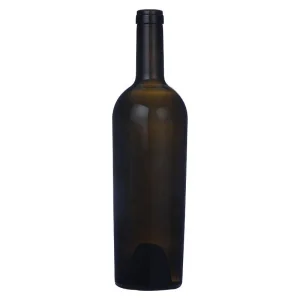
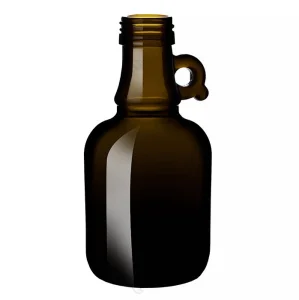
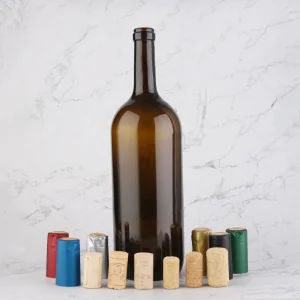
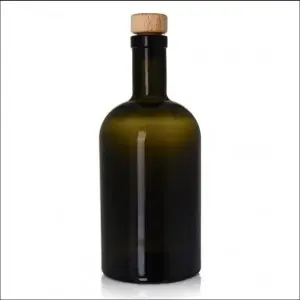
In the global wine industry, bottle color is not merely a stylistic choice; it is a critical functional component of product preservation. At QLT Glass, we define "Semantic Packaging" as the intersection of consumer psychology and optical engineering. For instance, the use of Antique Green or Amber isn't just traditional—it's a scientific barrier against "light struck" (gout de lumière) defects caused by riboflavin reacting with ultraviolet light.
The global glass packaging market is projected to reach $82 billion by 2027. We are seeing a shift from standard "Flint" (clear) glass toward functional tints like Dead Leaf Green and Cobalt Blue, driven by the craft beverage explosion and premiumization trends in the Asia-Pacific and North American markets.
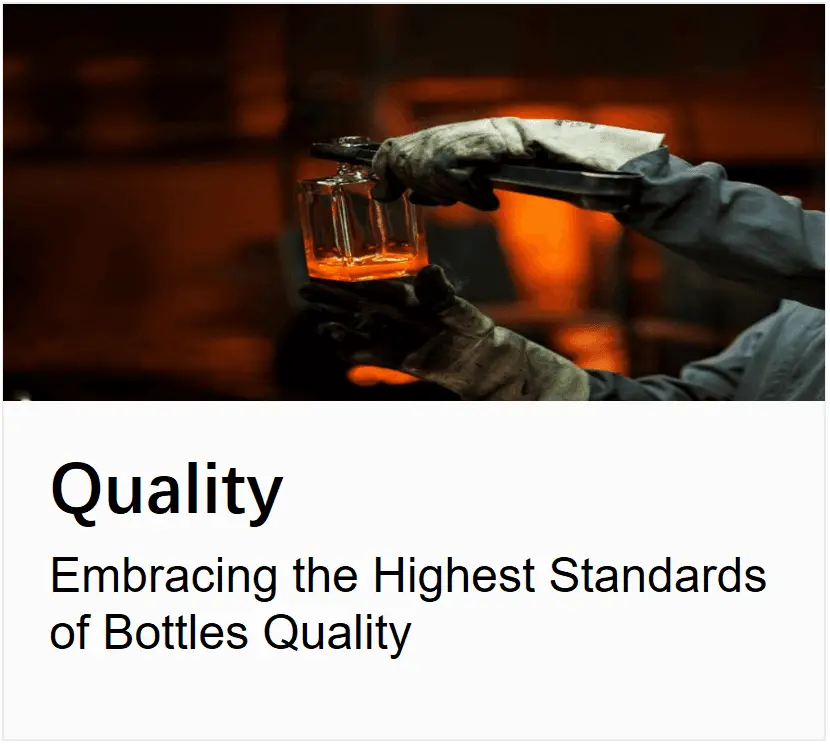
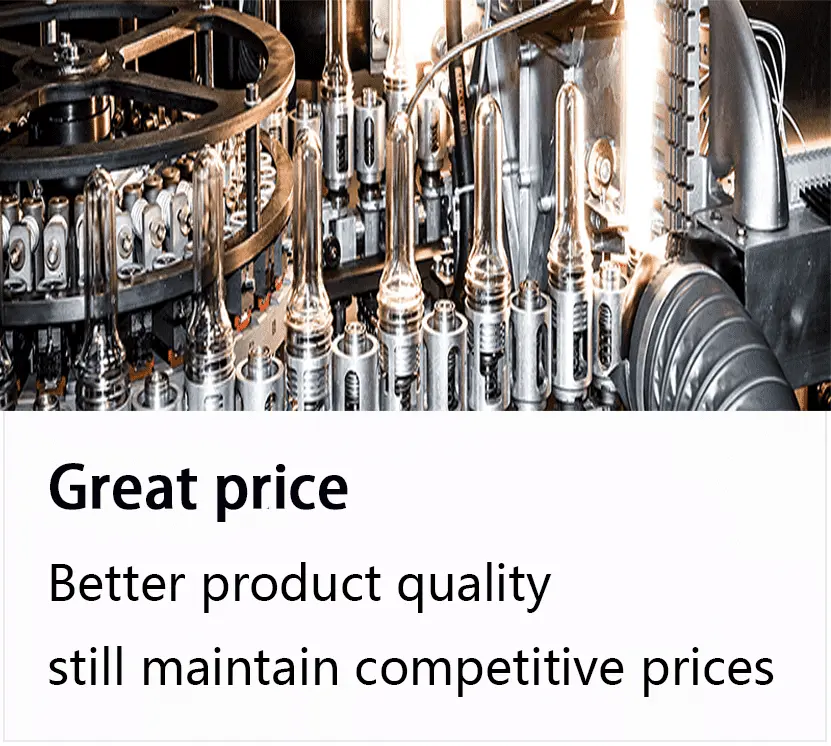
Why choose a Chinese manufacturer for wholesale wine bottles? It comes down to Supply Chain Integration. QLT Glass utilizes fully automated AI-driven quality inspection lines that detect micro-cracks and color deviations at a speed of 300 bottles per minute, ensuring a 99.9% consistency rate that manual European factories struggle to match at scale.
Modern procurement demands high PCR (Post-Consumer Recycled) glass content. Our furnace technology allows for up to 70% cullet integration without compromising structural integrity or color clarity, helping global enterprises meet their carbon neutrality goals.

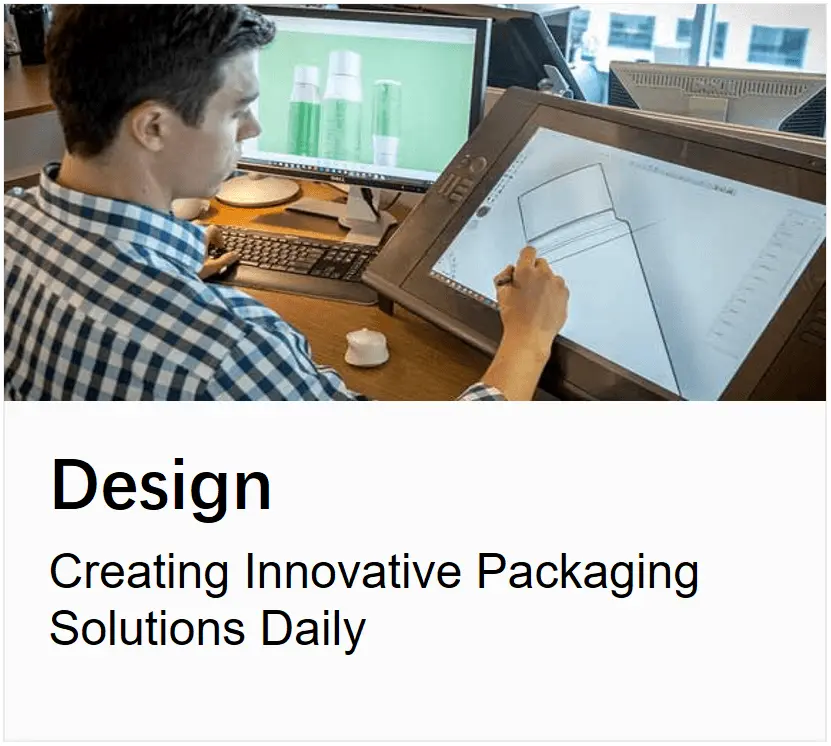
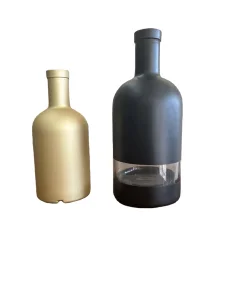
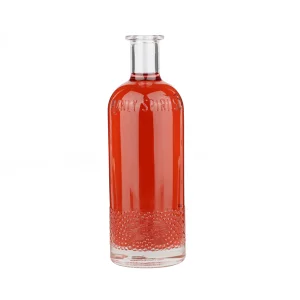
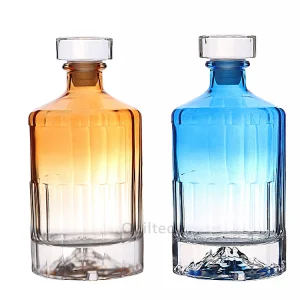
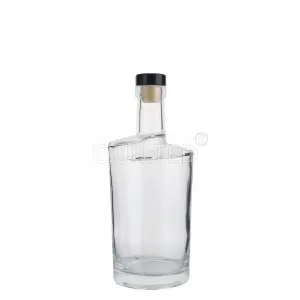
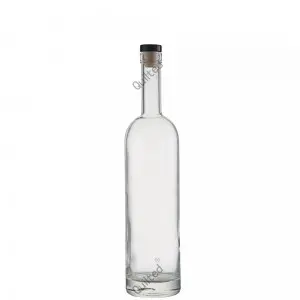
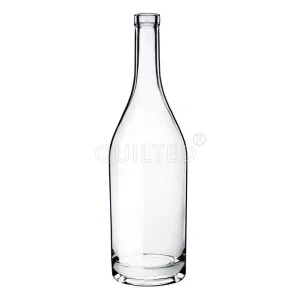
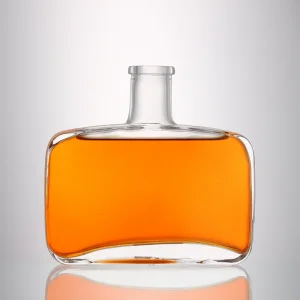
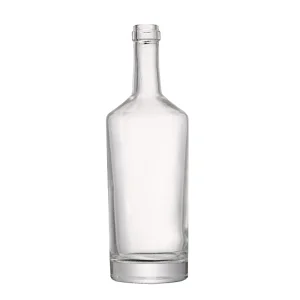
Our premier custom bottle manufacturing service, with an optimized supply chain, seamlessly transforms your concepts into stunning packaging solutions.

Crafting our custom glass packaging solutions within our state-of-the-art bottling facility enables us to drive down costs while ensuring swift delivery of top-notch finished goods.

Avail yourself of our complimentary glass bottle samples, aiding you in solidifying your decision to invest in our premium glass bottle selections.
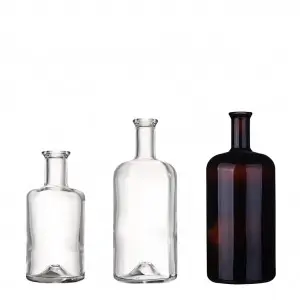
Selecting the right hue based on regional terroir and varietal needs.
| Glass Color | Light Protection (UV) | Best Used For | Market Perception |
|---|---|---|---|
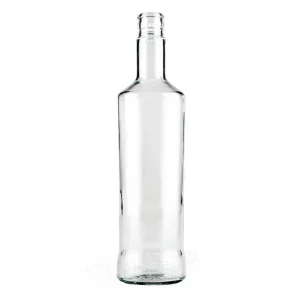
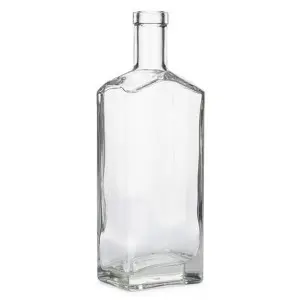
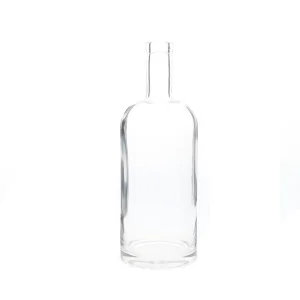
| Flint (Clear) | Low (0-10%) | Rose, Sauvignon Blanc, Spirits | Purity, Clarity, Modernity |
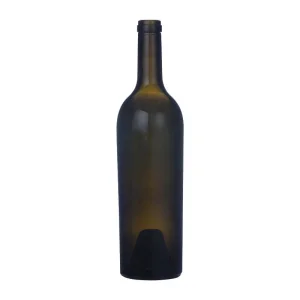
| Antique Green | High (80-90%) | Red Wines (Bordeaux/Burgundy) | Tradition, Quality, Age-worthy |
| Amber/Brown | Maximum (95%+) | Beer, Specialized Spirits, Port | Protection, Artisanal, Heritage |
| Dead Leaf Green | Medium (60%) | Chardonnay, White Blends | Earthy, Sustainable, Fresh |
We are entering an era of "Smart Packaging" where bottle colors are calibrated via spectrophotometry to match the specific chemical sensitivity of the liquid inside. Global procurement managers from the EU and USA are increasingly demanding "Information Gain" from their suppliers—not just a price per unit, but a technical validation of how the glass color extends shelf life and reduces product oxidation.