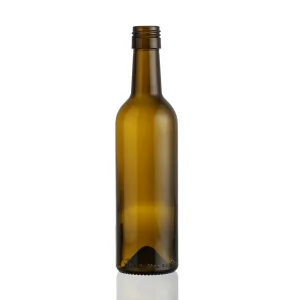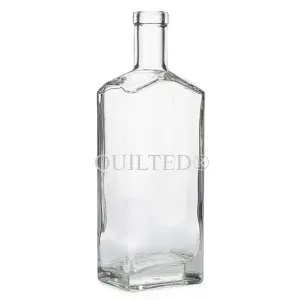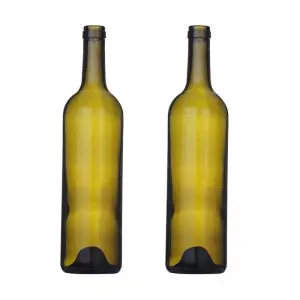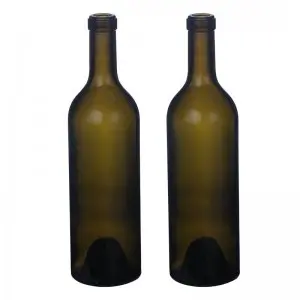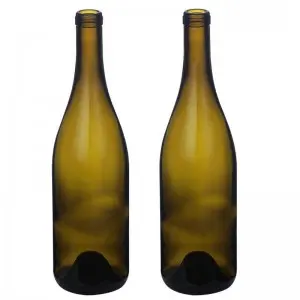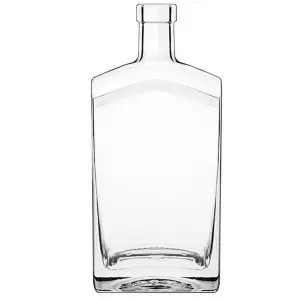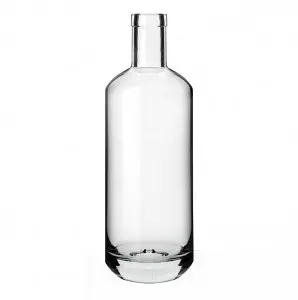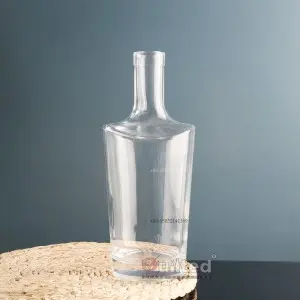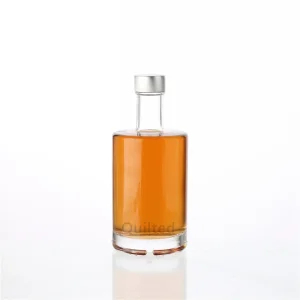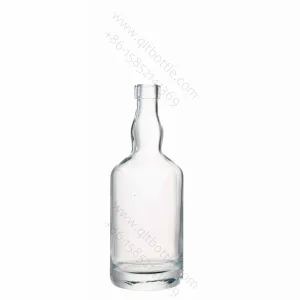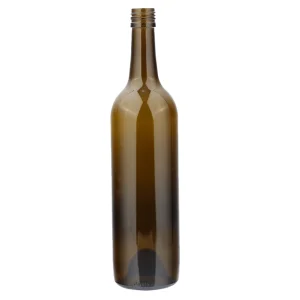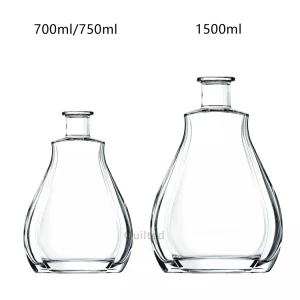


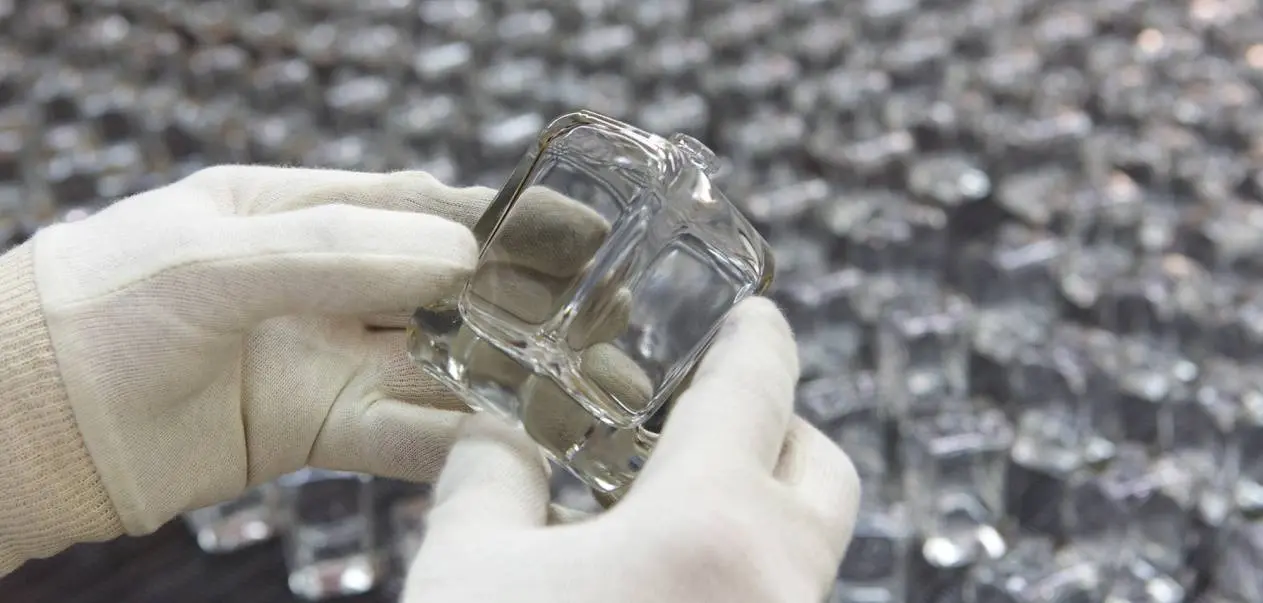
As a leading Chinese glass bottle manufacturer, we take pride in our ability to produce glass bottles from start to finish. Our integrated processes encompass raw material crushing and mixing, precise batching, melting, shaping, and meticulous annealing, ensuring top-notch quality at every step.
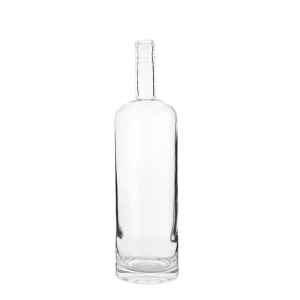
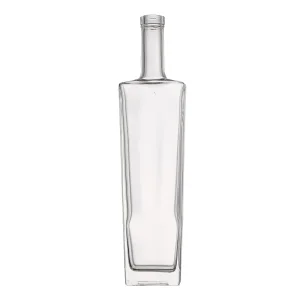
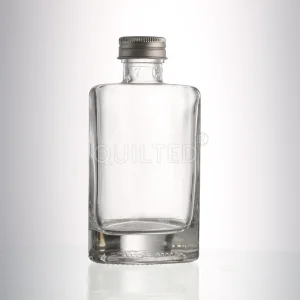
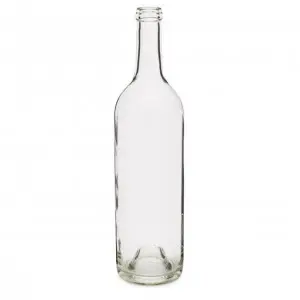
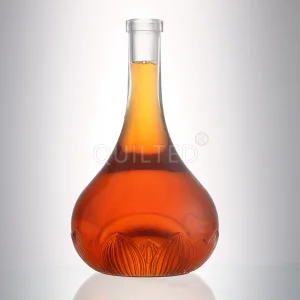
Read All Our StoryClear glass bottles, specifically categorized in industrial terms as Extra Flint Glass, are highly valued for their transparency. This clarity is crucial as it showcases the true colors of white wines, rosés, and premium spirits. Achieving this clear optical properties requires strict control over the chemistry of raw materials. The presence of trace iron oxide (Fe2O3) typically colors glass green or brown. In our manufacturing process, the iron content is limited to less than 0.015% to maintain a clear glass finish.
To balance the composition, high-purity silica sand (SiO2) is blended with sodium carbonate (soda ash, Na2CO3) to lower the melting temperature, and calcium oxide (lime, CaO) to improve chemical durability. The batch is processed in oxy-fuel furnaces at temperatures exceeding 1500°C. Refinement stages eliminate micro-bubbles (seed) using sodium sulfate as a refining agent, producing high-clarity clear glass packaging.
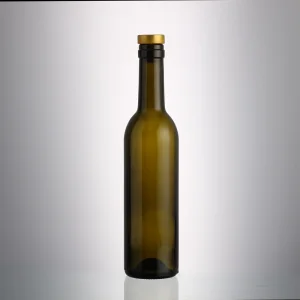
The choice of cork stopper determines the aging profile and shelf-life of the bottled product. Natural cork is harvested from the bark of the cork oak (Quercus suber) and contains a cellular structure that facilitates controlled micro-oxygenation. Each cork consists of approximately 40 million cells per cubic centimeter, functioning as a natural barrier to liquid while allowing trace amounts of oxygen (about 1 mg of oxygen per year) to enter the bottle. This slow diffusion supports the development of complex tannins in age-worthy wines.
Our custom neck designs feature precise bore profiles, with tolerances held strictly within ±0.2 mm. This consistency prevents issues such as:
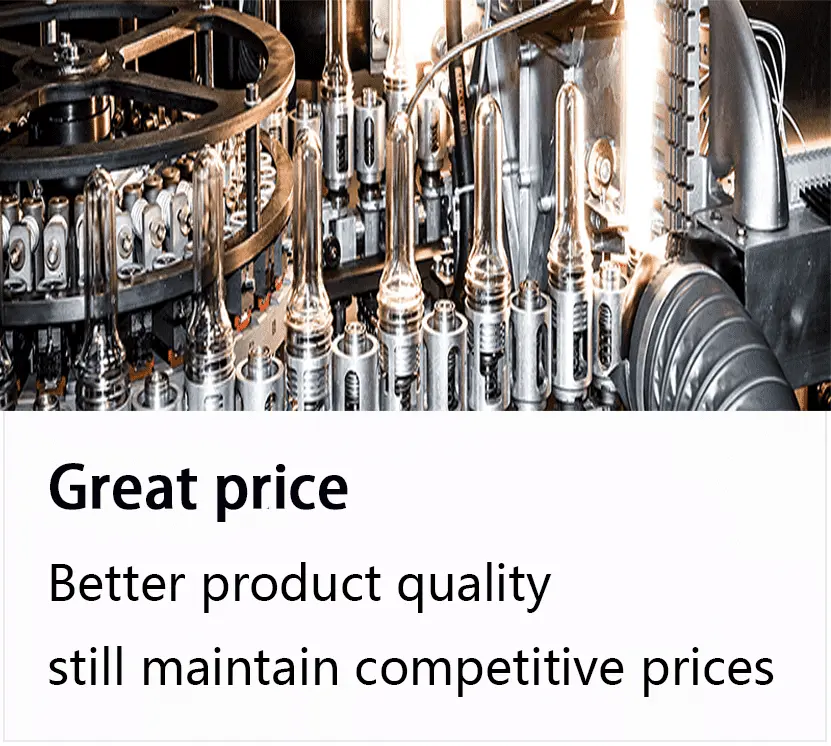
Our manufacturing centers employ advanced Factory 4.0 automation to ensure efficiency, quality control, and scalable production. By integrating Individual Section (IS) forming machines with digital monitoring systems, we achieve consistent bottle formation at high volume.
Our production workflow incorporates:
Global brands face various regulatory requirements and supply chain challenges. We provide integrated solutions to meet these challenges:
The packaging industry is shifting toward more sustainable and lightweight glass solutions. Our development roadmap focuses on two key innovations:
Lightweighting (NNPB Process): Using the Narrow Neck Press-and-Blow (NNPB) process allows us to produce bottles with thinner, more uniform walls. This technique reduces bottle weight by up to 20% while maintaining the structural strength needed to withstand carbonation and vertical top loads. Lightweighting helps reduce both raw material consumption and carbon footprint during transport.
Advanced Surface Coatings: We apply double-layer coatings to prevent surface abrasion. A hot-end coating of monobutyltin trichloride (MBTC) is applied to enhance surface durability, followed by a cold-end polyethylene wax emulsion layer to reduce friction during high-speed conveyor transport.
For stock bottles with cork configurations, our MOQ begins at 10,000 units, allowing small to mid-sized estates access to high-quality flint glass. Custom shapes and proprietary designs require a minimum run of 30,000 to 50,000 units to offset machine setup times and mold tooling costs.
We source cork closure systems from certified manufacturers utilizing gas chromatography analysis. Neck profiles are engineered to strict inner diameter tolerances (within ±0.2 mm) to achieve the optimal compression ratio needed for sealing security without causing extraction issues.
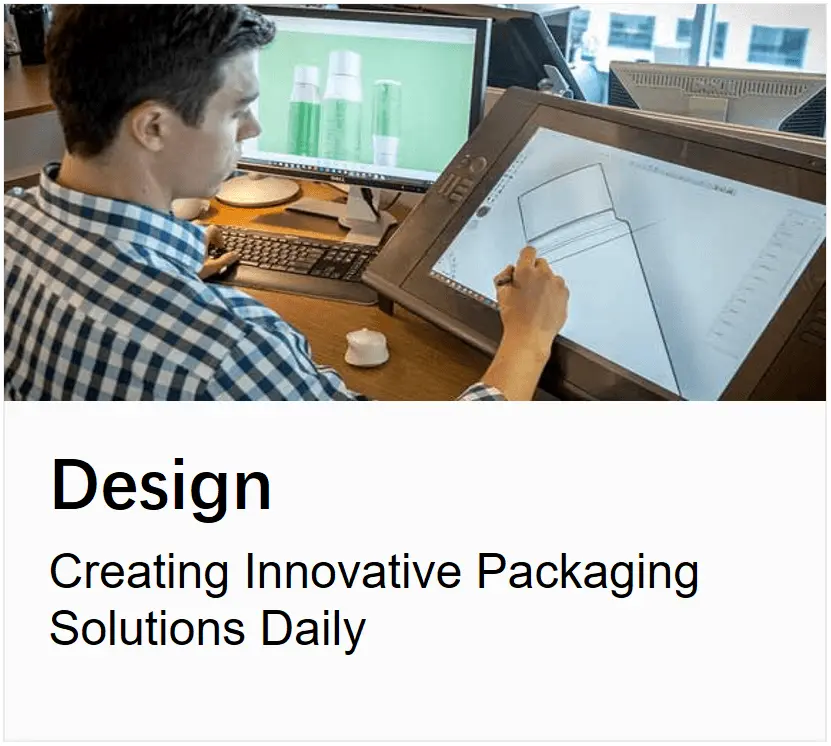
Yes, we provide full custom mold design services. Our typical design lifecycle begins with 3D CAD rendering within 48 hours, followed by 3D plastic model printing. Steel sample molds are fabricated within 15–20 days, followed by structural sample bottle runs for customer validation.
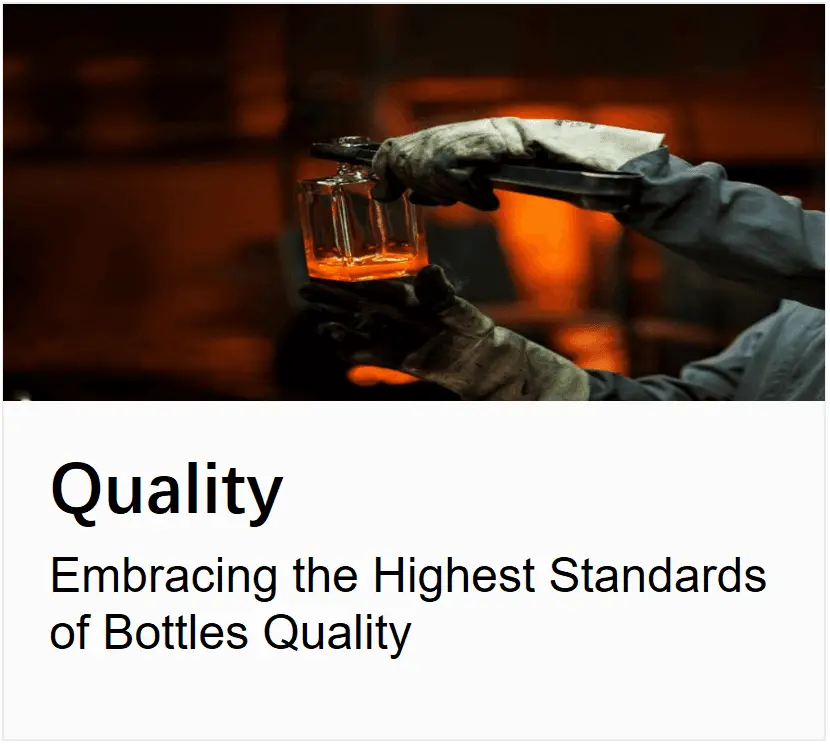
All runs undergo automated structural checks. We execute thermal shock resistance testing (handling temperature shifts up to 42°C), vertical load resistance, and internal pressure limits. All bottles are verified to meet FDA, SGS, and CE food-grade criteria.
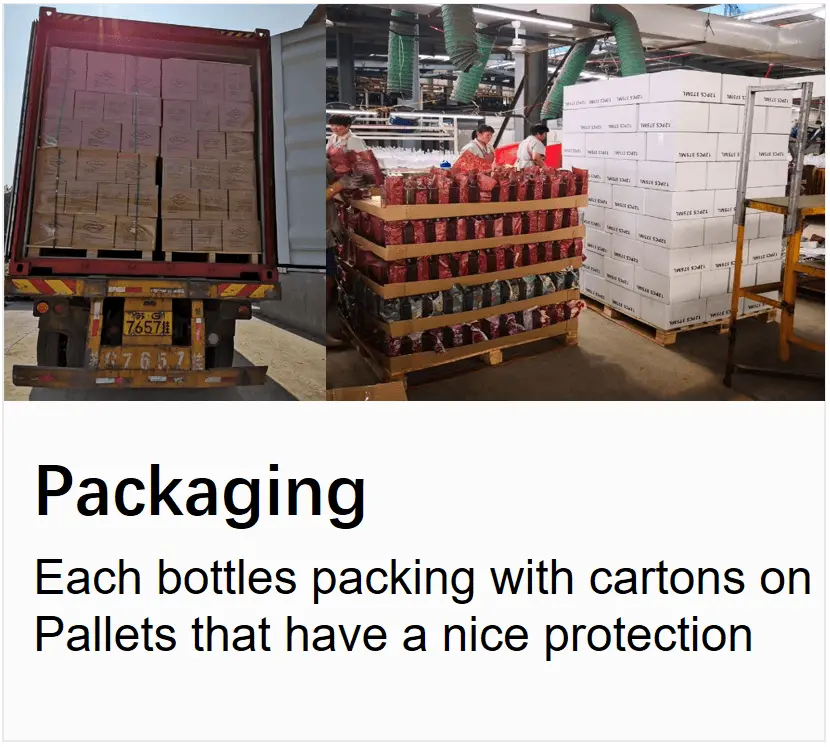
We offer bulk palletization using corrugated dividers, protective top sheets, and heat-shrunk film covers, as well as customized multi-pack display boxes. Pallet footprints are optimized for 20-foot and 40-foot HQ container sizes to reduce empty space and lower shipping costs.