



Industry White Paper: Advanced Engineering of Wine Glass Bottoms & Global Supply Dynamics
An authoritative analysis on manufacturing precision, material science, and international compliance in commercial glass packaging.
1. The Architectural Significance of the Bottom of a Wine Glass
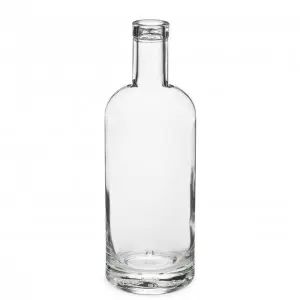
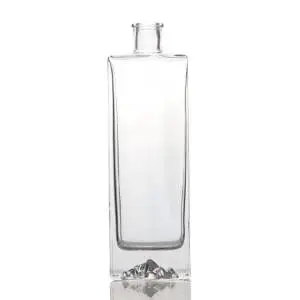
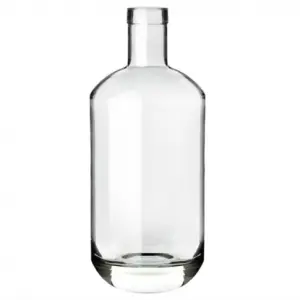
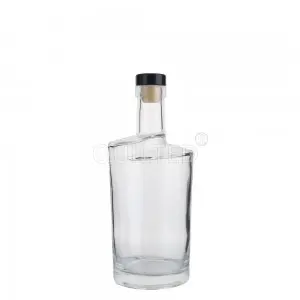
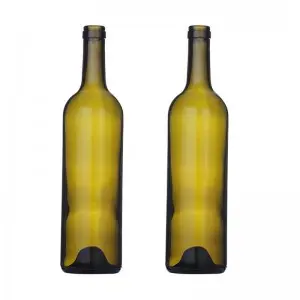
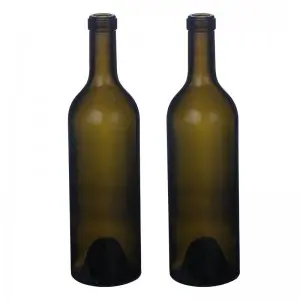
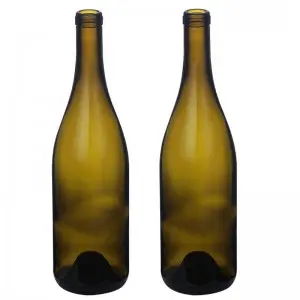
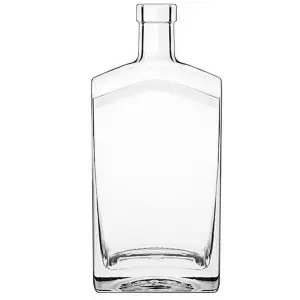
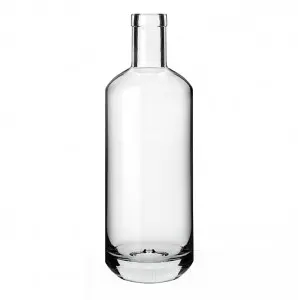
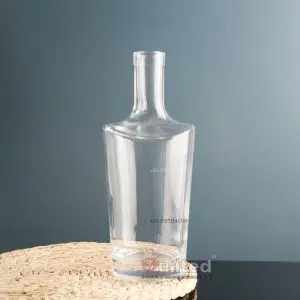
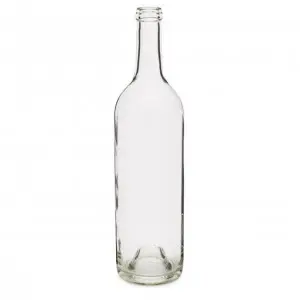
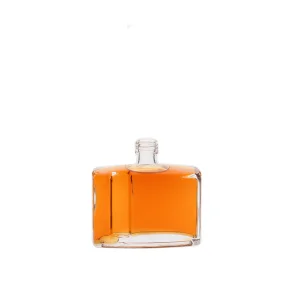
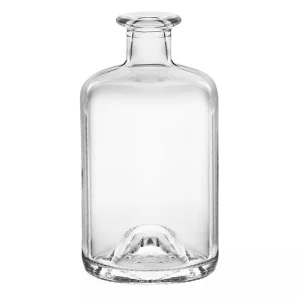
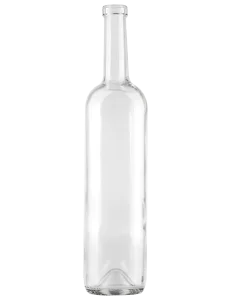
In the realm of high-end wine and spirits packaging, the bottom of a wine glass (frequently referred to as the push-up, punt, or base) is far more than a mere structural support. It represents a critical intersection of thermodynamic cooling during manufacturing, structural load distribution, and brand differentiation. A meticulously designed base enhances the tactile feedback during pouring, stabilizes the bottle on high-speed commercial bottling lines, and projects uncompromised luxury to discerning consumers.
Information Gain Insight: Unlike standard flat-bottom containers, engineered glass bases with optimized weight distribution drastically reduce breakage rates during thermal shock testing (annealing arches) by up to 14%, ensuring superior durability in international transit.
2. China Factory Supply Chain Advantages in Glass Manufacturing
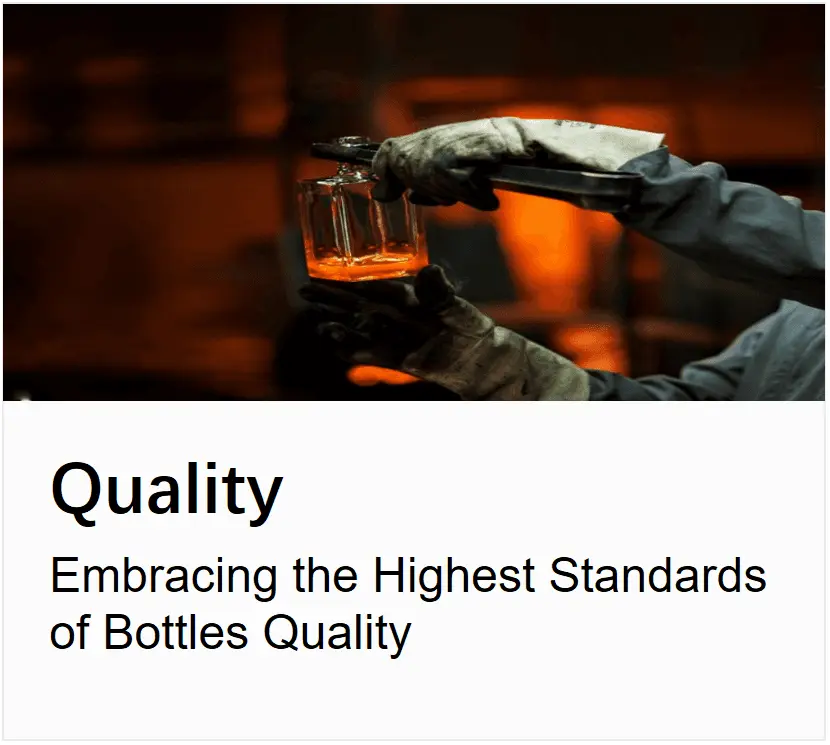
As a leading global manufacturing hub, our self-owned glass production facilities leverage integrated supply chains that encompass raw material crushing, precise batching, high-temperature melting, automated IS (Individual Section) machine shaping, and computer-controlled annealing. This vertical integration allows us to eliminate intermediary markups, maintain strict quality control protocols (ISO9001 and FDA compliance), and offer highly competitive wholesale pricing without compromising on material clarity or mechanical strength.
3. Localization Support, Compliance, and Global Purchasing Demands
Global beverage enterprises require stringent adherence to regional regulatory frameworks, including FDA standards in North America, EU food-contact material directives, and localized labeling mandates. Our technical support teams work closely with international procurement directors to ensure seamless customs clearance, regulatory compliance documentation, and tailored packaging adaptations for diverse local markets—from boutique vineyards to multinational spirits conglomerates.
4. Industry Development Trends: Sustainability and Smart Packaging
The global glass packaging industry is currently undergoing a structural evolution driven by circular economy mandates and eco-conscious consumer behavior. Key trends include the adoption of lightweighting technologies (reducing carbon footprints without sacrificing burst pressure), increased cullet (recycled glass) utilization rates, and advanced surface treatments that enhance scratch resistance. As a forward-thinking manufacturer, we continuously invest in energy-efficient electric melting furnaces and hydrogen-assisted burners to meet future net-zero carbon targets.