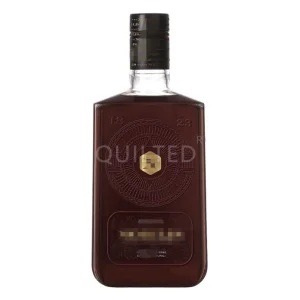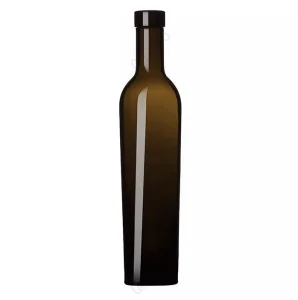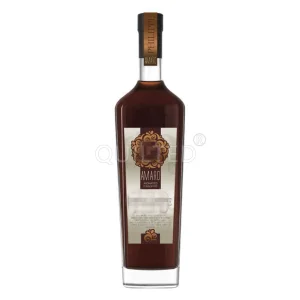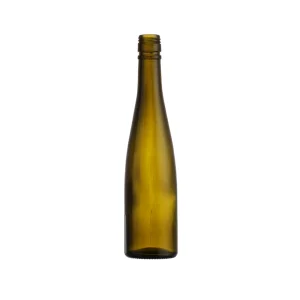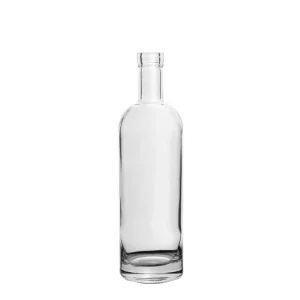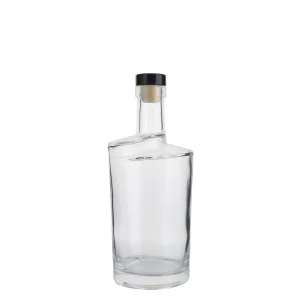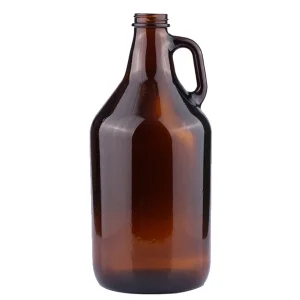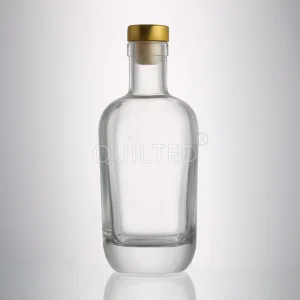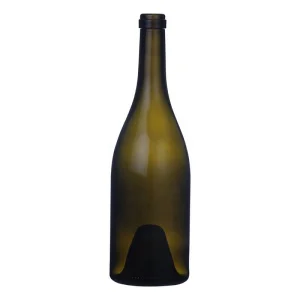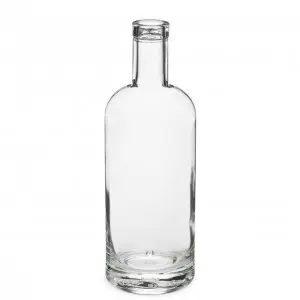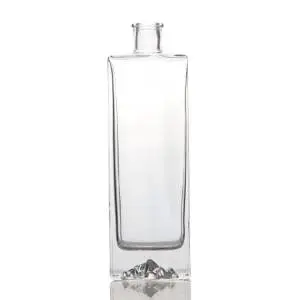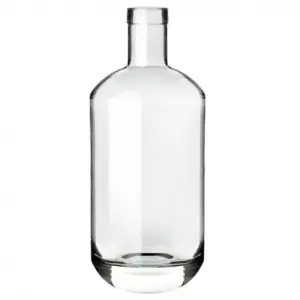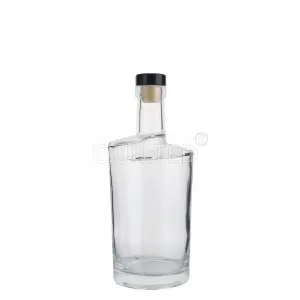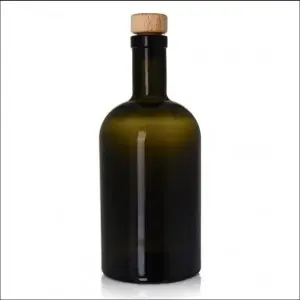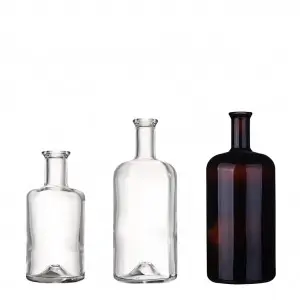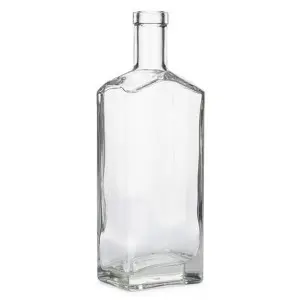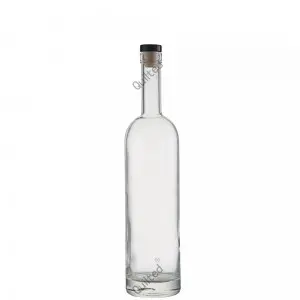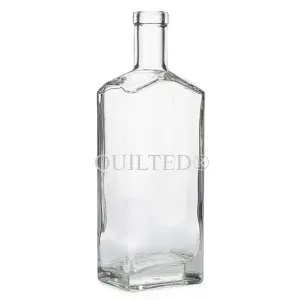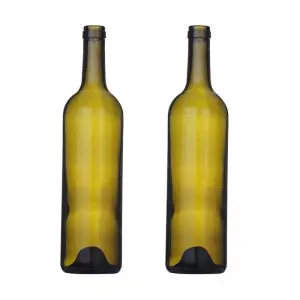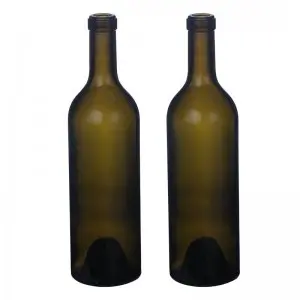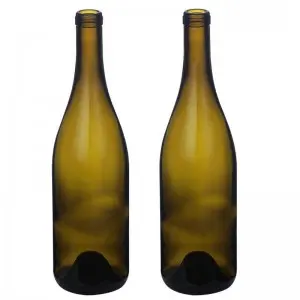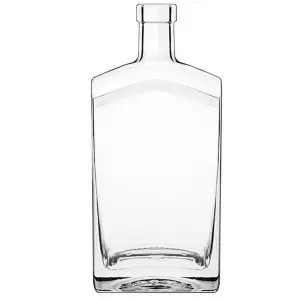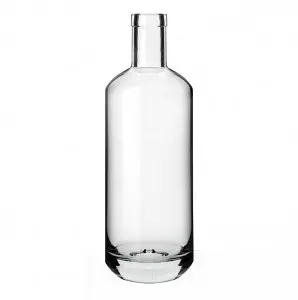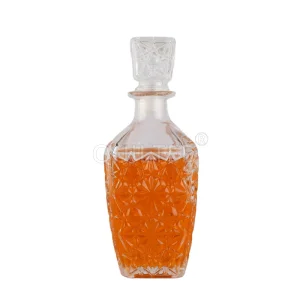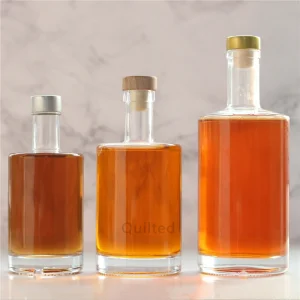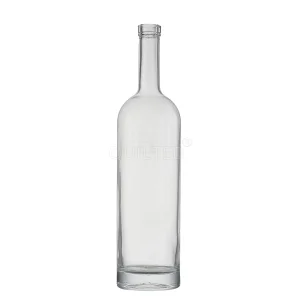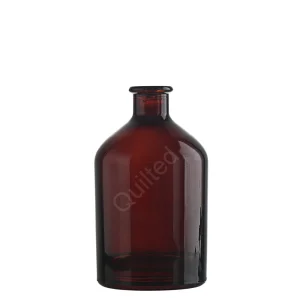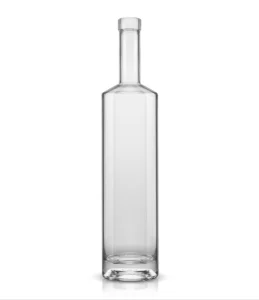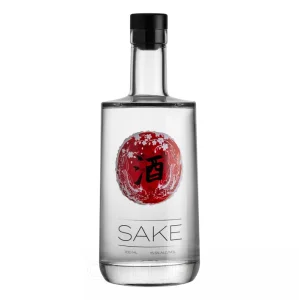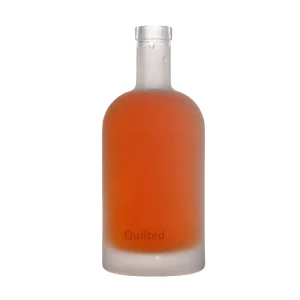
Direct supply from high-output furnaces, optimized for high-speed filling lines and extreme durability.

Our premier custom bottle manufacturing service, with an optimized supply chain, seamlessly transforms your concepts into stunning packaging solutions.

Crafting our custom glass packaging solutions within our state-of-the-art bottling facility enables us to drive down costs while ensuring swift delivery of top-notch finished goods.

Avail yourself of our complimentary glass bottle samples, aiding you in solidifying your decision to invest in our premium glass bottle selections, facilitating bulk purchases with confidence.
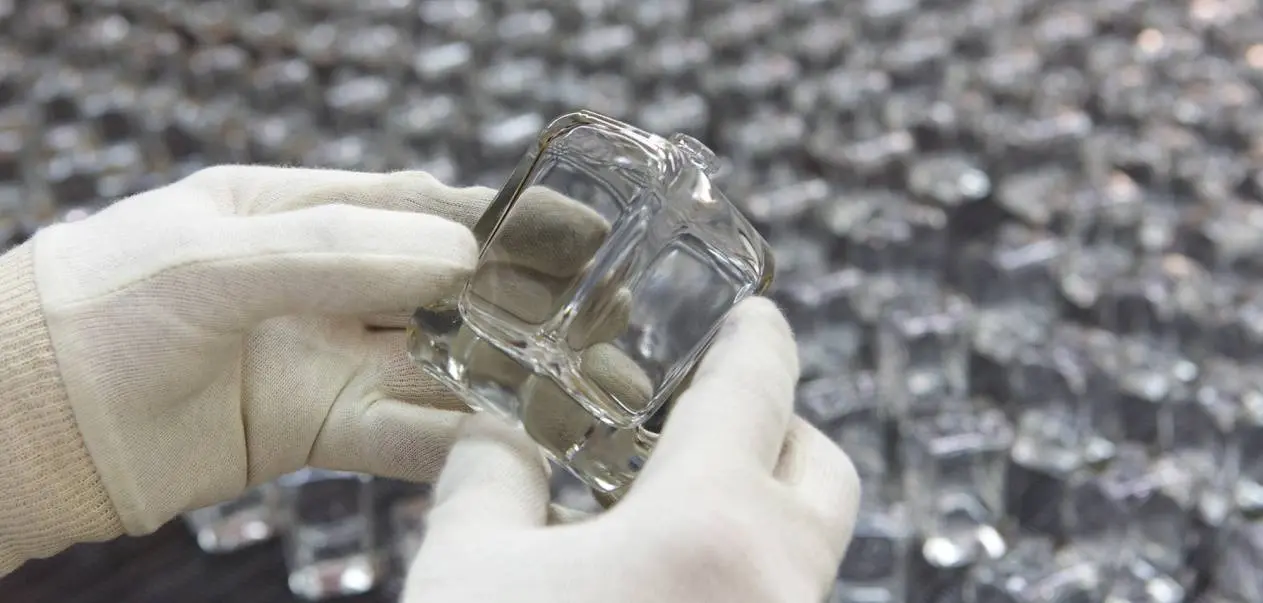
As a leading Chinese glass bottle manufacturer, we take pride in our ability to produce glass bottles from start to finish. Our integrated processes encompass raw material crushing and mixing, precise batching, melting, shaping, and meticulous annealing, ensuring top-notch quality at every step.
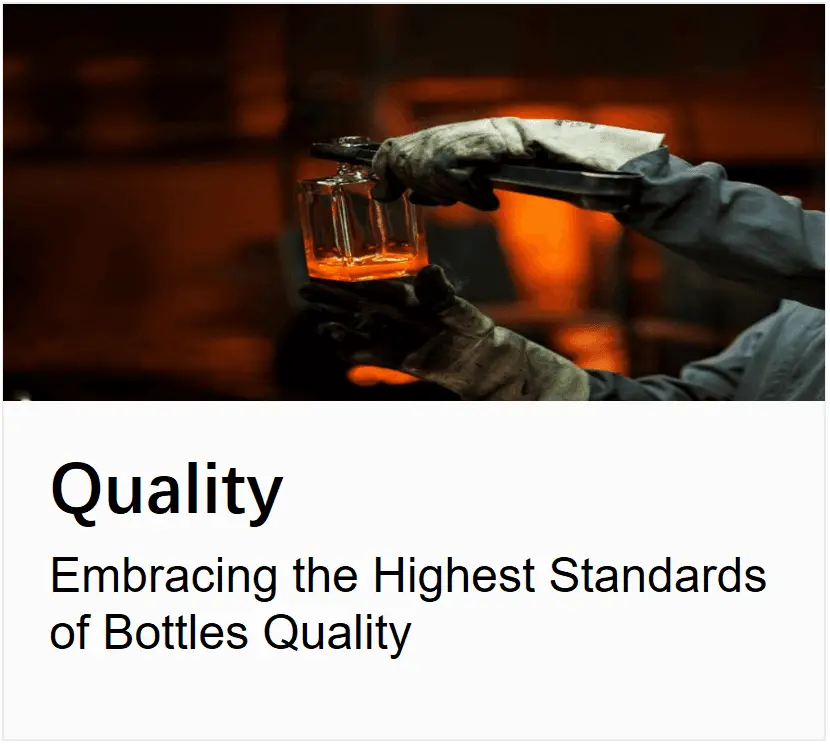
By leveraging automated visual inspection systems (AIS) and advanced thermal shock testing facilities, we guarantee that each production batch of 750ml glass bottles satisfies international food contact regulations. From classic Bordeaux and Burgundy wine profiles to unique custom spirits shapes, our factory delivers reliable performance on high-speed bottling lines worldwide.
Read All StoryAnalyzing the shift in global demand, structural innovations, and sustainable manufacturing standards for 750ml glass packaging.
The 750ml glass container stands as the undisputed global metric benchmark for spirits, wines, and artisanal beverages. Originating from historical trade systems where a standard chest of wine contained two gallons (approximately nine liters distributed across 12 bottles), the 750ml configuration has transitioned from tradition to science. Today, it represents the ideal volume-to-surface-ratio parameter, protecting oxidation-sensitive liquids from deterioration while maximizing logistical efficiency. High-quality super flint glass and extra flint glass formulations are increasingly preferred because of their refractive brilliance, which showcases the liquid's natural hue and builds strong retail shelf appeal.
In glass engineering, flint glass clarity is determined by the control of iron oxide (Fe₂O₃) levels. Standard glass contains around 0.05% to 0.1% iron, giving it a greenish tint. High-end extra flint and super flint glass require premium batch ingredients with iron contents kept strictly below 0.015%. Decolorizing agents, such as selenium and cobalt, are added to balance the optical tint, achieving a crystal-like refractive index that elevates spirits packaging.
Global procurers, ranging from multinational distilleries to boutique wineries, face complex logistical and performance requirements. In modern, automated high-speed filling plants (operating at speeds exceeding 20,000 bottles per hour), any dimensional variation can lead to line jams, cracking, or loss of head space pressure. As a result, procurement agents evaluate glass factories using strict standard checklists:
The global glass industry is transitioning from heavy, material-intensive designs to high-strength, lightweight bottles. Using Narrow Neck Press and Blow (NNPB) technology, we can manufacture 750ml glass bottles with thinner, more uniform walls. This technique reduces overall glass weight by 15% to 25% without sacrificing mechanical strength. The benefits are clear: lower carbon emissions during manufacturing, reduced raw material use, and significantly decreased shipping costs for global distributors.
Food contact safety is non-negotiable for commercial glass containers. Premium manufacturers must meet stringent FDA, European Union (EC No 1935/2004), and California Proposition 65 requirements regarding heavy metal migration. Our manufacturing sites utilize strict testing procedures:
Explore our extensive structural portfolio of wine, spirit, and custom decanter configurations.
A continuous commitment to decarbonization, circular economy goals, and smart packaging innovation.
The glass industry is traditionally energy-intensive, relying on natural gas combustion to heat furnaces up to 1500°C. To meet strict sustainability goals, leading factories are adopting **hybrid electric melting systems** and increasing the ratio of recycled post-consumer cullet. Every 10% increase in recycled glass reduces furnace energy consumption by 3% and carbon dioxide emissions by 5%. This step is essential for spirits brands aiming to lower their Scope 3 greenhouse gas emissions.
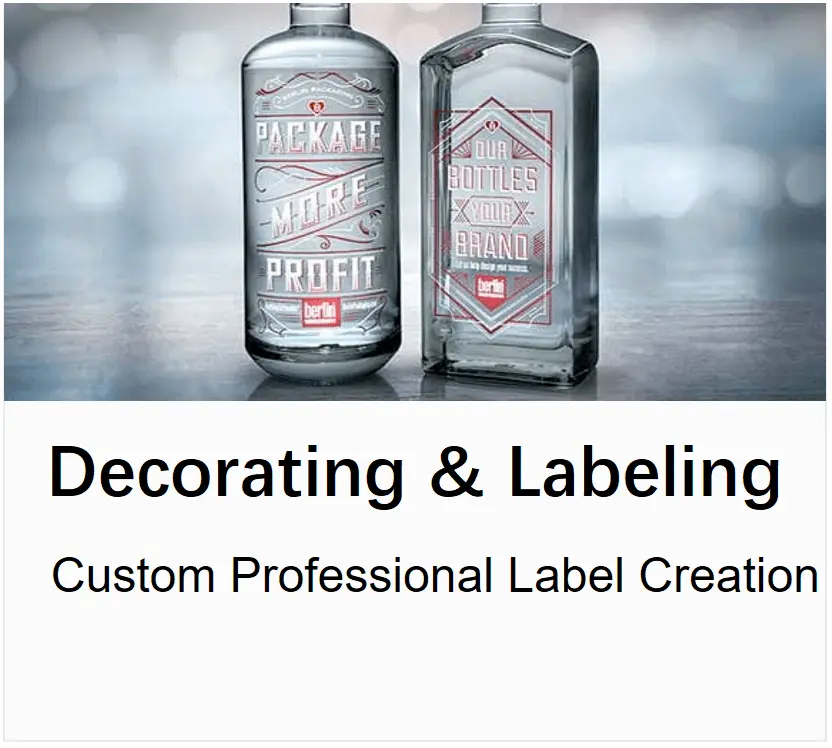
Beyond structural manufacturing, branding differentiation is achieved via high-performance surface decoration. Advanced packaging solutions utilize multiple in-house processing methodologies:
The industry is seeing growing integration of NFC (Near Field Communication) microchips and laser-etched QR codes directly onto the bottle base or neck finish. This enables brands to offer secure product authentication, prevent counterfeiting, and provide interactive digital customer experiences.
A diverse selection of specialized bottles featuring antique green wine profiles and flint glass spirit configurations.
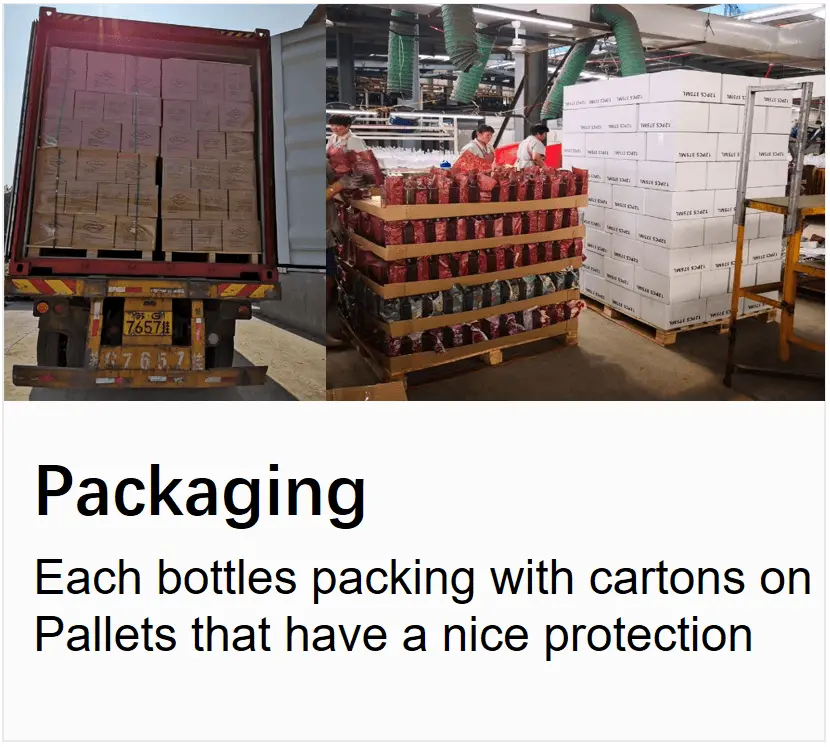
Ensuring break-free transit, optimal pallet utilization, and reliable customs documentation for border clearances.
Shipping high-density, fragile glass cargo across ocean lanes requires robust containment packaging. Safe and secure distribution is built on three core pillars:
Higher cullet ratios in the furnace feed lower the melting temperature from 1500°C to around 1300°C. This 200-degree difference reduces gas consumption, protects the furnace refractory lining, and extends furnace life by up to 30%, guaranteeing supply chain stability for our long-term contracting partners.
Important questions answered by glass engineers and global logistics professionals.
Browse our selection of specialized bottles in various volumes, finishes, and configurations.