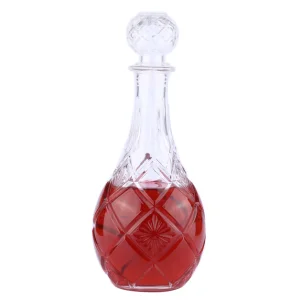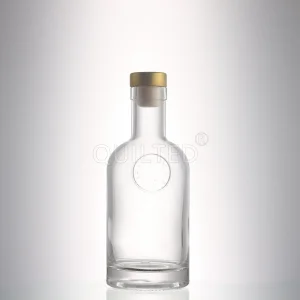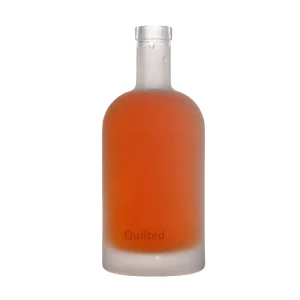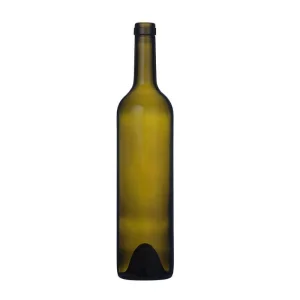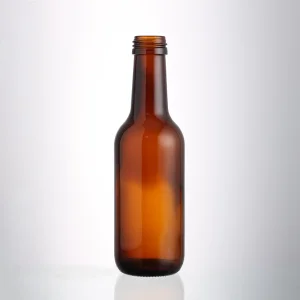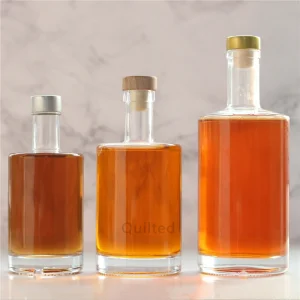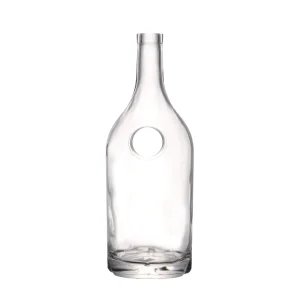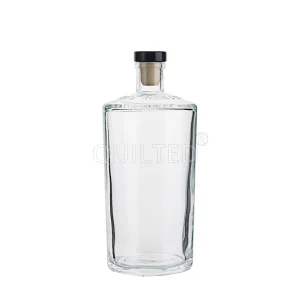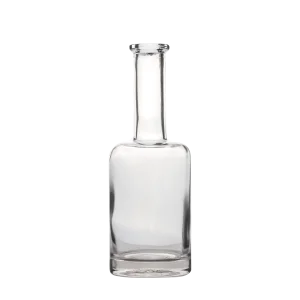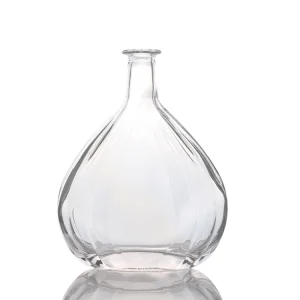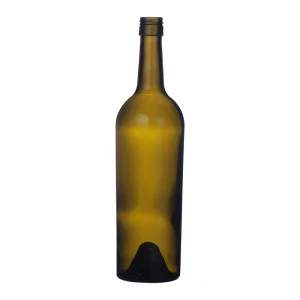
Explore our high-performance glass bottle product lineup manufactured to precise global standards and customizable size requirements.
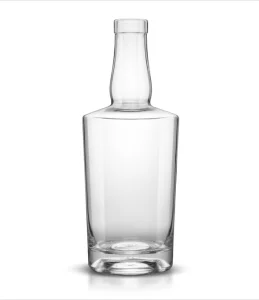
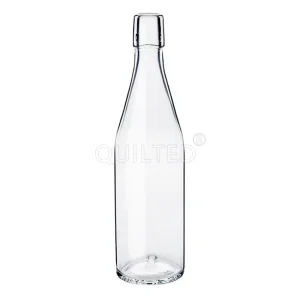
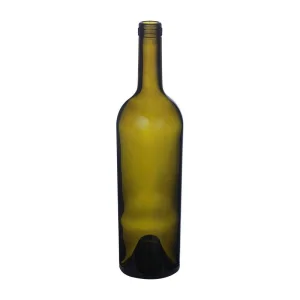
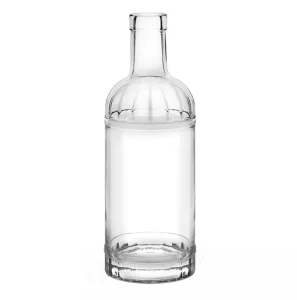
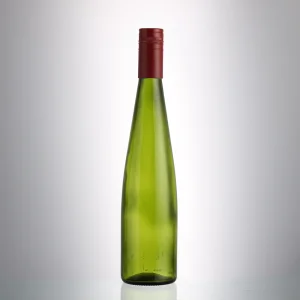
Our premier custom bottle manufacturing service, with an optimized supply chain, seamlessly transforms your concepts into stunning, structurally sound packaging solutions.
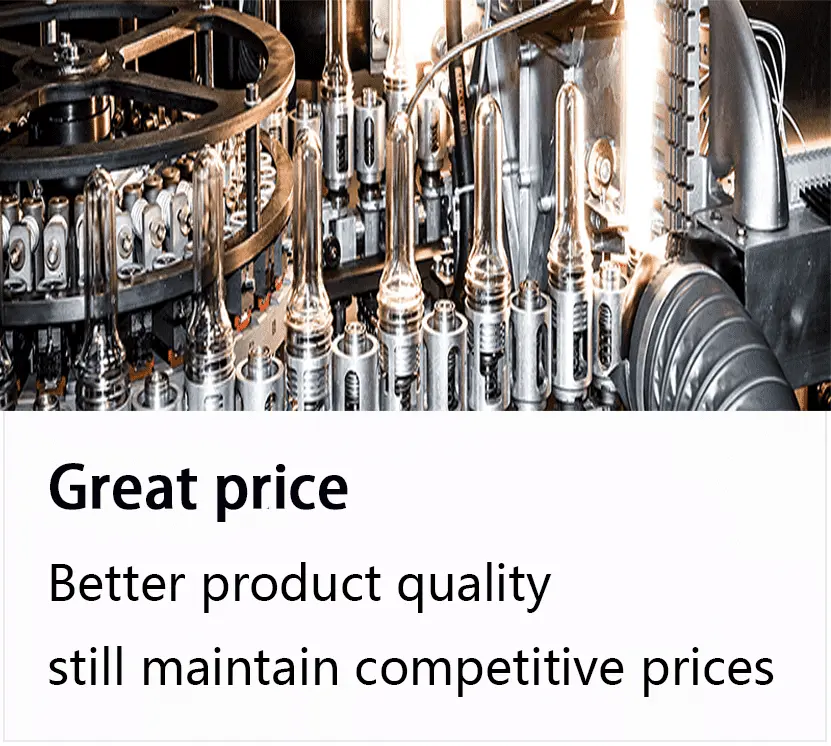
Crafting our custom glass packaging solutions within our state-of-the-art bottling facility enables us to drive down costs while ensuring swift delivery of top-notch finished goods.
Avail yourself of our complimentary glass bottle samples, aiding you in solidifying your decision to invest in our premium glass bottle selections, facilitating bulk purchases with confidence.
Within the global beverage distribution and winemaking industries, the dimensions, aesthetics, and structural integrity of glass containers are not merely design elements; they are core parameters of logistics efficiency, shelf life optimization, and brand narrative. As a leading China wine bottle size glass manufacturer and supplier, our operations are aligned with international guidelines that ensure both structural resilience and high marketing performance.
Historically, standard glass bottle sizes were limited by the physical lung capacity of glassblowers. Today, high-precision automated manufacturing processes allow for standard tolerances down to fractions of a millimeter. Understanding standard variations is crucial for corporate procurement teams managing high-volume bottling lines:
Superior glass containers rely on a optimized chemical matrix. We utilize premium soda-lime-silica glass composition featuring precise ratios of Silicium Dioxide ($SiO_2$), Calcium Oxide ($CaO$), and Sodium Carbonate ($Na_2CO_3$). This combination guarantees high optical transparency, extreme mechanical pressure resistance, and superb thermal shock capabilities (withstanding sudden temperature fluctuations up to 42°C).
Furthermore, protection against ultraviolet radiation is vital for conserving complex organic flavor profiles in wine. Our Antique Green, Dead Leaf Green, and Amber Glass formulations filter out up to 99% of harmful light rays in the UV spectrum, mitigating the risk of light-strike defects in delicate white, sparkling, or cellar-bound red wines.
Pioneering automated inspection, high-speed production lines, and carbon-neutral glass melting facilities.
In Stock, On Time: QLT Glass, Your Swift Solution for Premium Packaging. Ready to Ship Excellence!
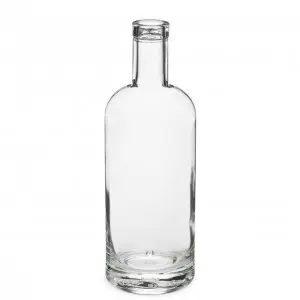
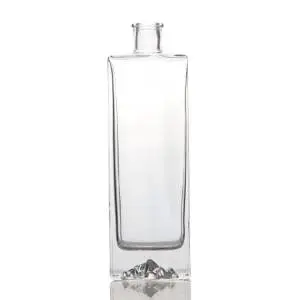
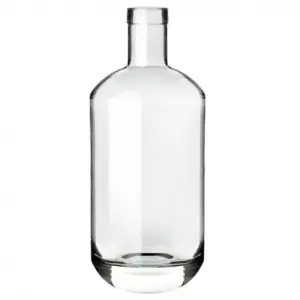
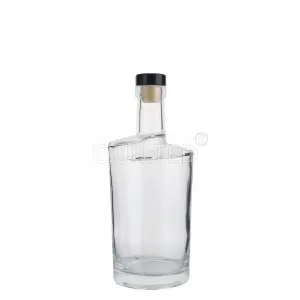
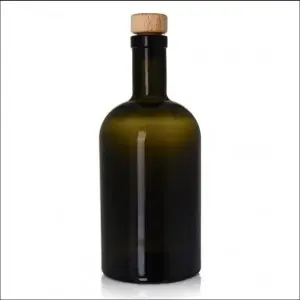
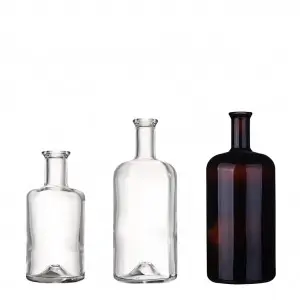
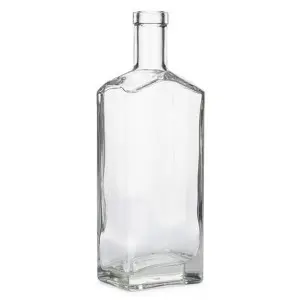
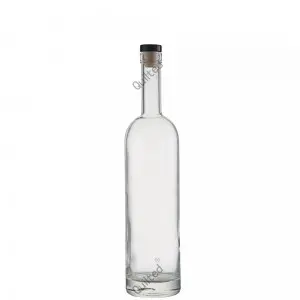
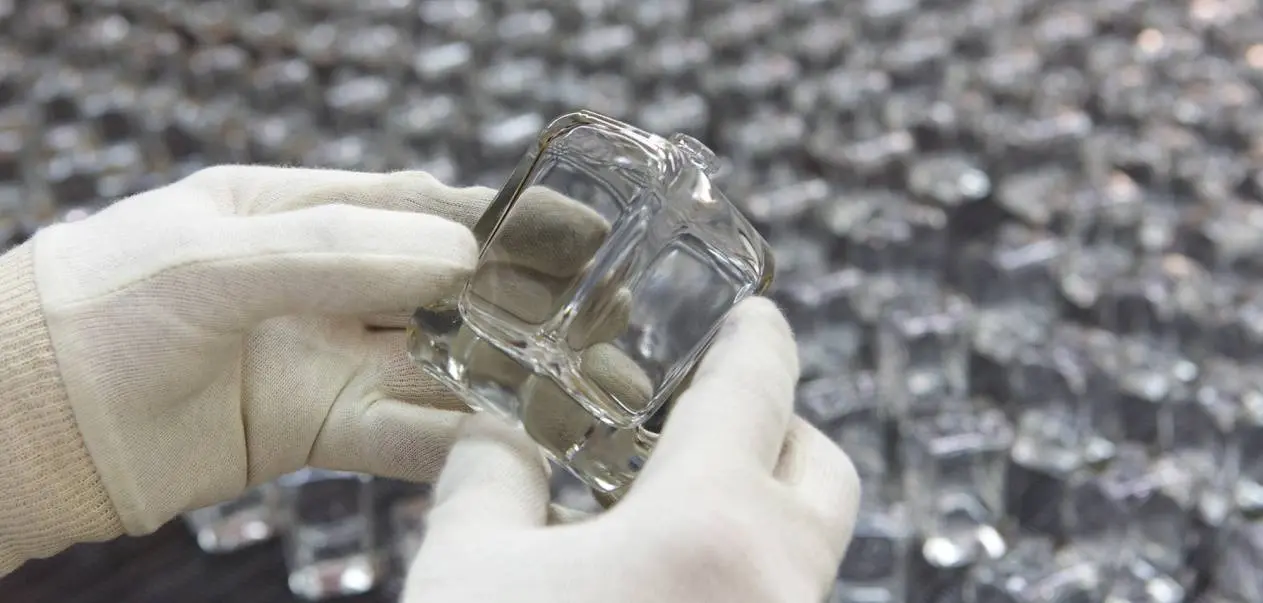
As a leading Chinese glass bottle manufacturer, we take pride in our ability to produce glass bottles from start to finish. Our integrated processes encompass raw material crushing and mixing, precise batching, melting, shaping, and meticulous annealing, ensuring top-notch quality at every step.
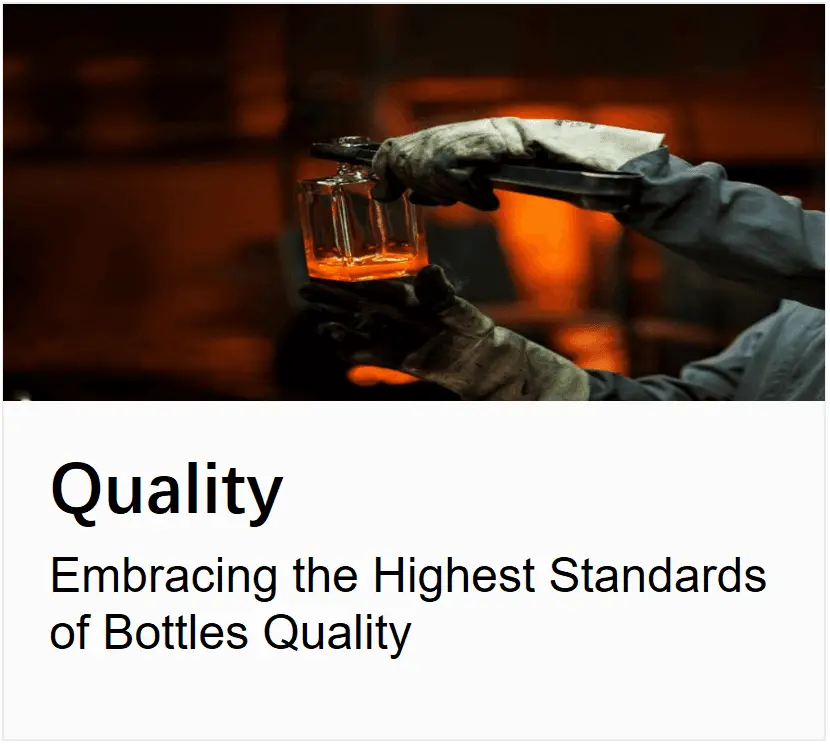
By operating under stringent ISO-certified frameworks and utilizing automatic optical inspection (AOI) machinery, we ensure that every single glass wine bottle dispatched meets zero-defect expectations, making us the primary choice for global wineries, distilleries, and bulk trade partners.
Read More About Our ProcessesModern glass manufacturing requires exact thermal gradients and precise chemistry. Our fully integrated facility leverages Factory 4.0 technology, transitioning from manual batching to automated computer-guided dosing. Raw materials are mixed with precise ratios of cullet (recycled glass) to reduce energy usage and minimize greenhouse gas output. The molten glass, refined at temperatures exceeding 1500°C, is fed into advanced Individual Section (IS) forming machines, assuring high uniformity in weight, volume, and wall thickness.
For corporate purchasing agents, the cost of ocean freight is a critical variable. Glass bottles, due to their empty volume, are volume-bound rather than weight-bound cargo. Our logistics teams specialize in palletizing strategies that maximize space usage. By employing custom-designed low-profile pallets and slip-sheets, we increase loading efficiency by up to 15% per 40HQ container. Combined with our geographic proximity to major international ports in China, this ensures quick global shipping with decreased shipping costs per unit.
In response to international carbon-reduction regulations and corporate ESG mandates, glass lightweighting has become a critical industry trend. Through advanced finite element analysis (FEA), we design bottle shapes that reduce raw material volume without compromising mechanical durability or impact resistance. Standard Bordeaux bottles that previously weighed 550g are optimized down to 400g or 380g, decreasing shipping-related carbon emissions by up to 20%.
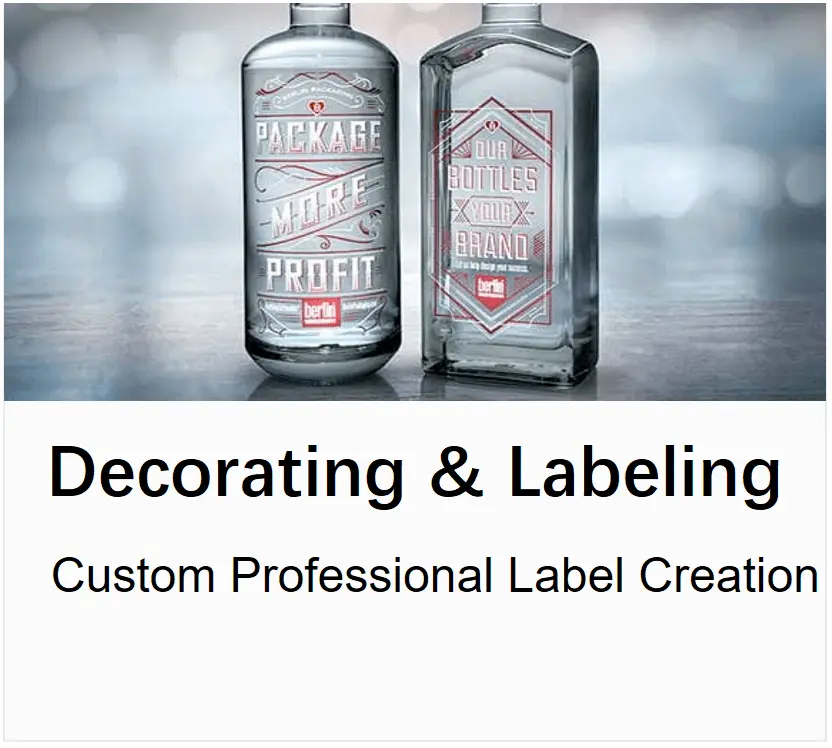
A comprehensive overview of our custom mold capabilities, decorative finishes, and tailored wine and spirits solutions.
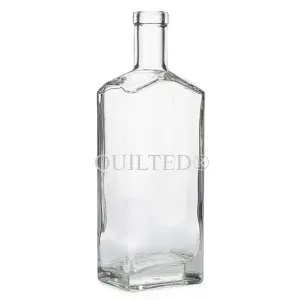
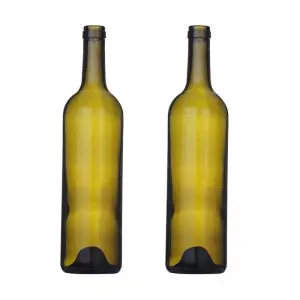
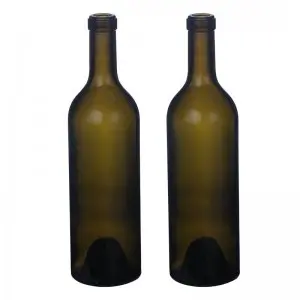
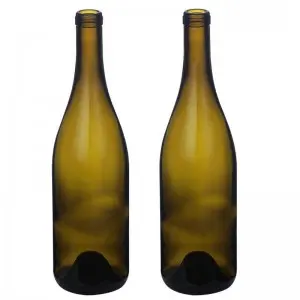
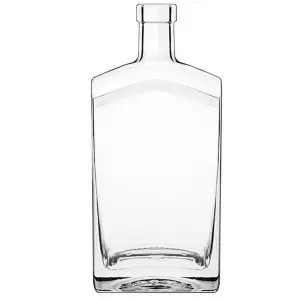
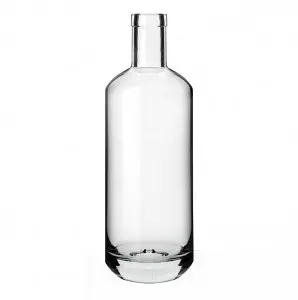
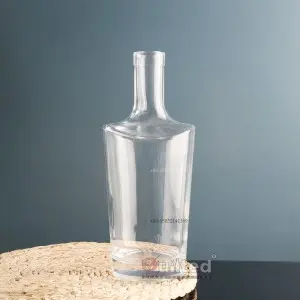
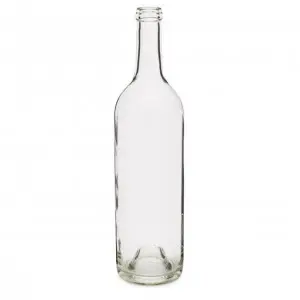


Our CAD engineers and industrial designers can convert sketch concepts into physical prototypes in as little as 14 days.
Request Design Consult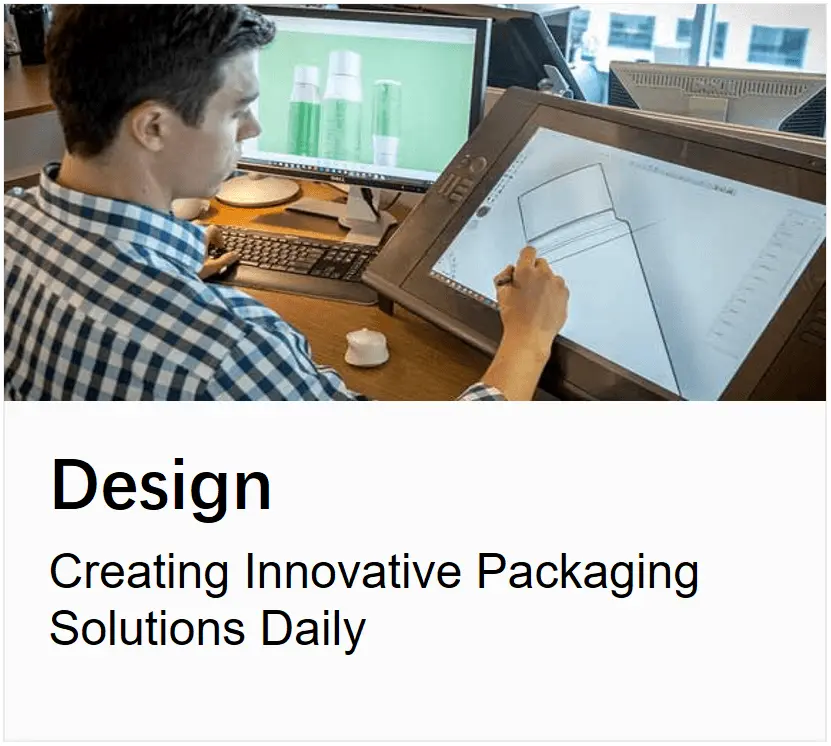
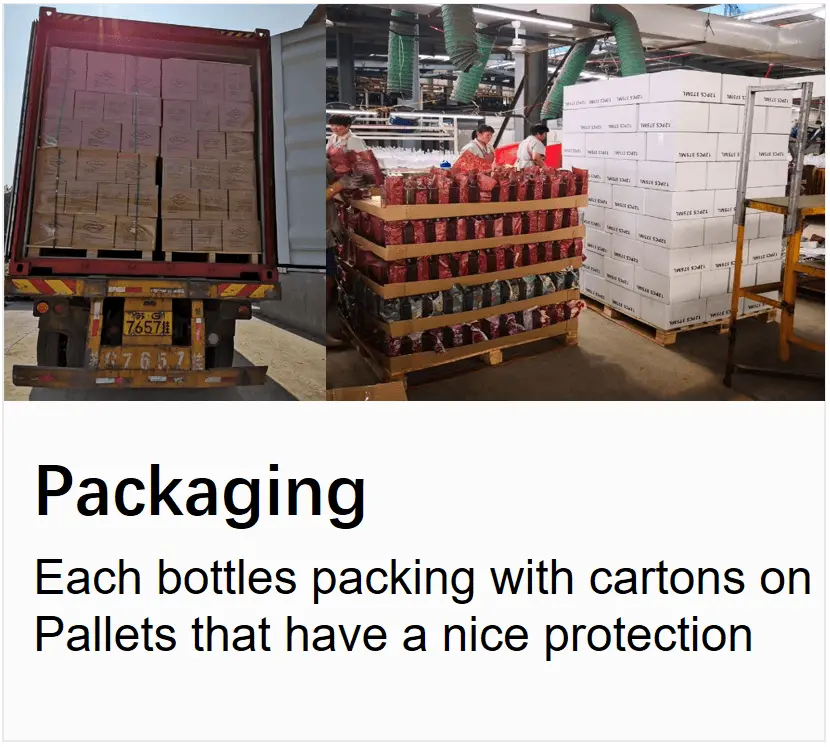
Detailed technical advice for global beverage brands, wholesale buyers, and supply chain managers.
Providing custom closures, screw caps, and classic cork finishes to match your brand requirements.