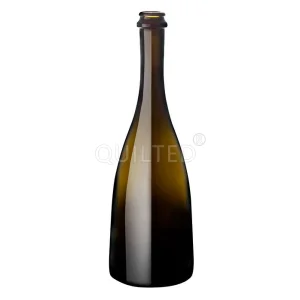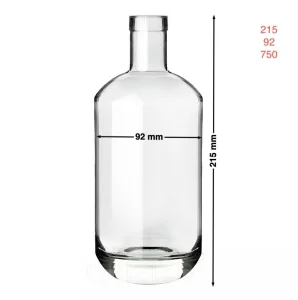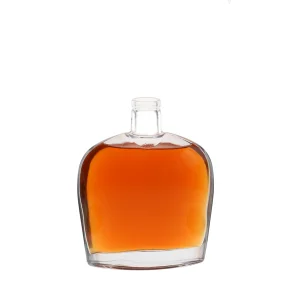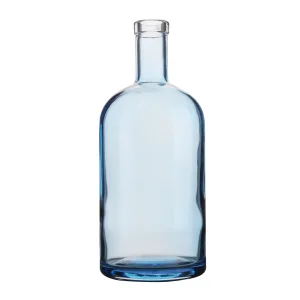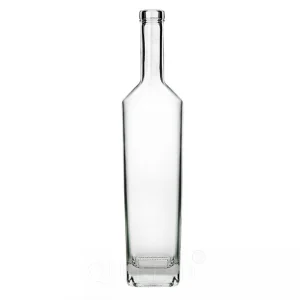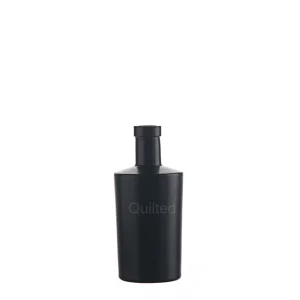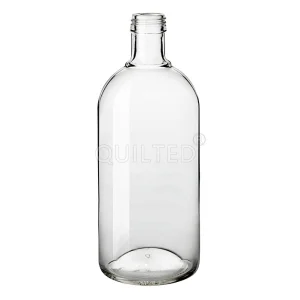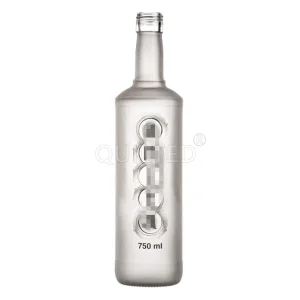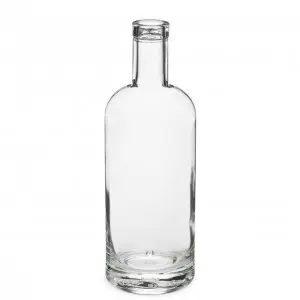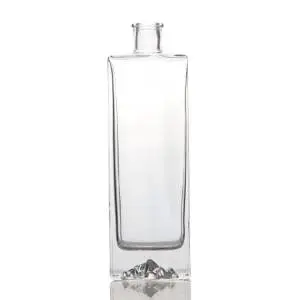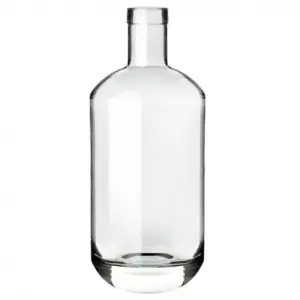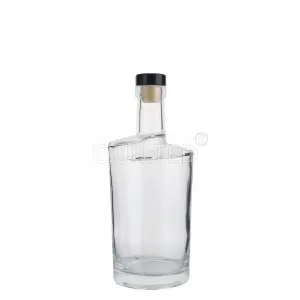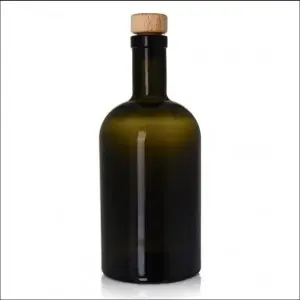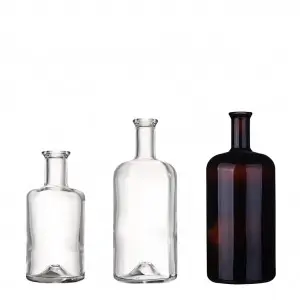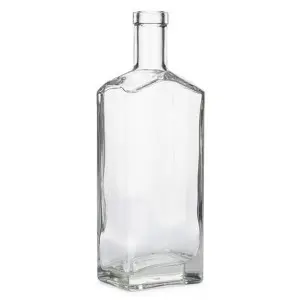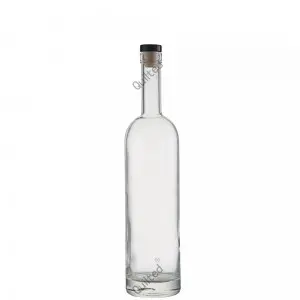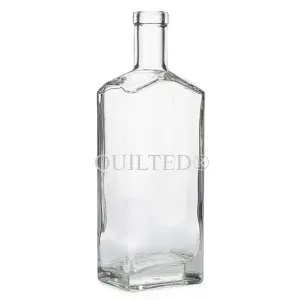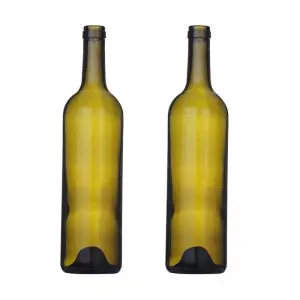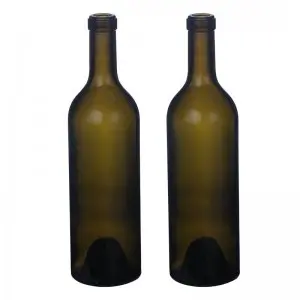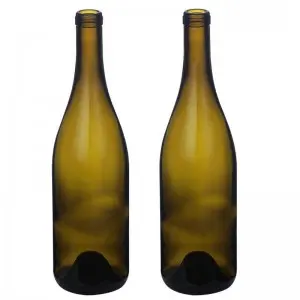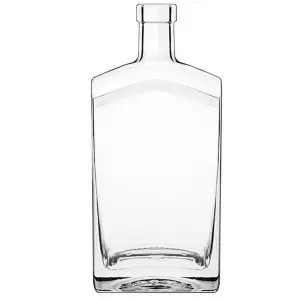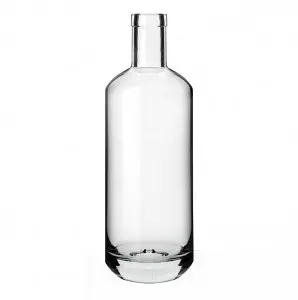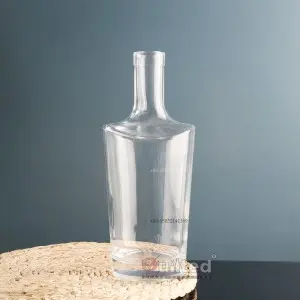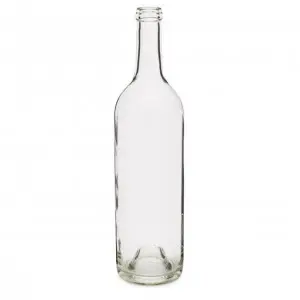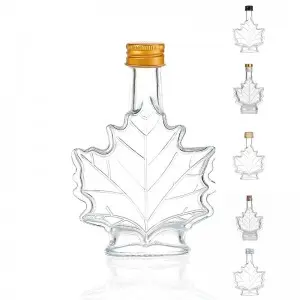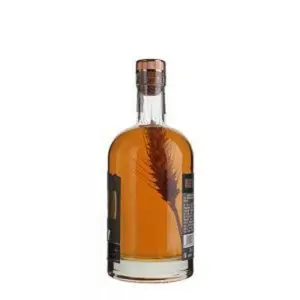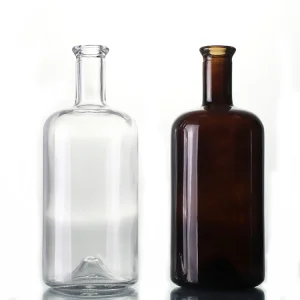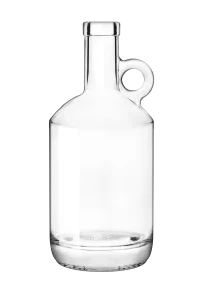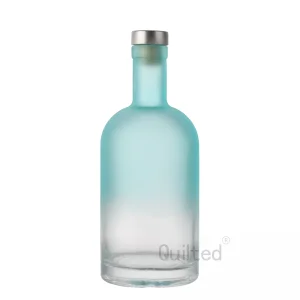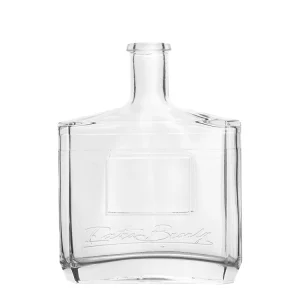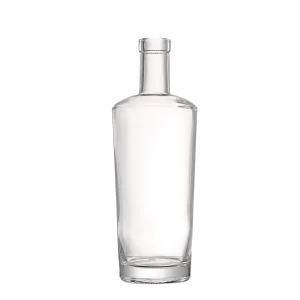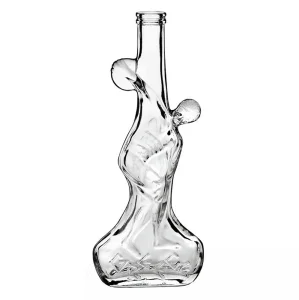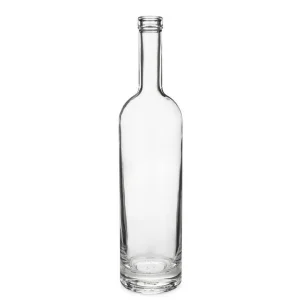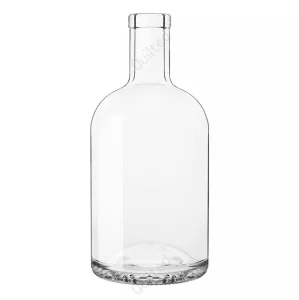
Explore our structural designs engineered for spirits, tequila, whisky, and wines, designed with high-flint and extra-flint premium formulations.
Optimized production flow from chemical compositions to custom finish details.
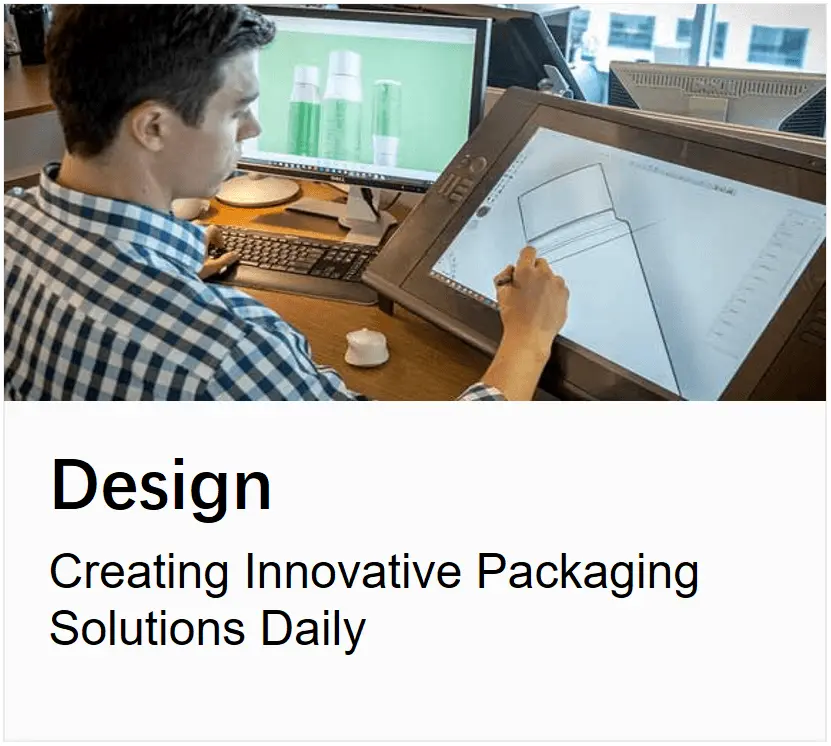
Our premier custom bottle manufacturing service, with an optimized supply chain, seamlessly transforms your concepts into stunning packaging solutions.
Crafting our custom glass packaging solutions within our state-of-the-art bottling facility enables us to drive down costs while ensuring swift delivery of top-notch finished goods.
Avail yourself of our complimentary glass bottle samples, aiding you in solidifying your decision to invest in our premium glass bottle selections, facilitating bulk purchases with confidence.
In Stock, On Time: QLT Glass, Your Swift Solution for Premium Packaging. Ready to Ship Excellence!
When selecting a wine bottle material manufacturer and supplier in China, procurement executives must look beyond mere dimensions. The core structural durability, light transmission control, and chemical safety profiles of glass containers are determined at the molecular level. Glass, while traditionally stable, varies significantly based on raw material batching accuracy, furnace temperatures, and cooling control protocols.
Premium glass bottle material is primarily composed of:
Standard flint glass allows high light transmission, which is suitable for clear spirits but detrimental to aged wines. For fine wines, we produce specialized formulations containing transition metal oxides (such as Chromium and Iron). These elements absorb up to 99% of harmful ultraviolet (UV) and blue light wavelengths, safeguarding delicate organic molecules in red and white wines from light-strike defects.
China has consolidated its position as a global leader in high-performance glass packaging. As a premier integrated manufacturer, our factory processes encompass raw material preparation, computer-controlled batching, furnace melting, automatic shaping via advanced IS machines, and automatic inspection at both the cold and hot ends.
The clustering of material suppliers, mould tooling plants, and deep-water ports in proximity reduces logistics costs. This highly integrated supply chain enables rapid prototyping, cost-effective mould development, and scalable production schedules. We pass these efficiencies down to global buyers, ensuring premium glassware without the inflated overhead of Western European glassworks.
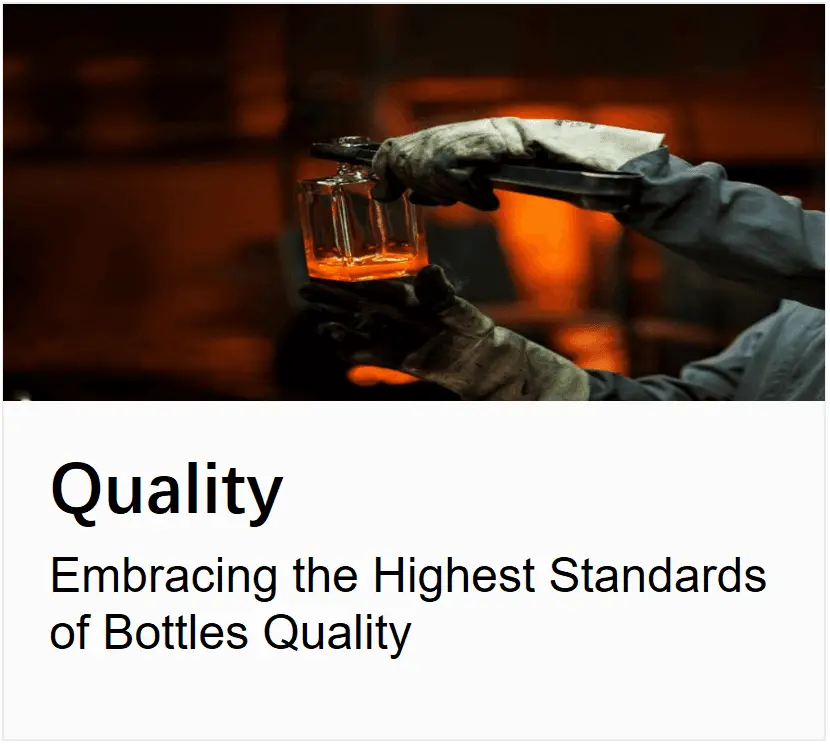
Equipped with computerized, multi-gob Individual Section (IS) forming machinery, our production lines achieve uniform wall thickness and weight consistency. This reduces mechanical vulnerability points on high-speed filling lines. Coupled with automated optoelectronic inspection systems (such as VeriScan and SGCC machines), we filter out dimensional deviations, seeds, stones, and micro-cracks before they reach the packaging line.
The wine and spirits industry is experiencing a profound transition toward environmental accountability and design modernization. Understanding these macro shifts helps procurement divisions future-proof their supply agreements.
Historically, heavier glass bottles were equated with premium quality. Today, sustainability regulations and escalating ocean freight tariffs have catalyzed a major push toward lightweighting. By refining our glass formulation and employing NNPB (Narrow Neck Press and Blow) technology, we reduce a standard Bordeaux bottle's weight from 550g down to 390g or less without compromising structural integrity or pressure resistance (crucial for carbonated beverages and sparkling wines).
Incorporating cullet (recycled glass) significantly reduces furnace carbon emissions and energy consumption. We offer custom batches containing variable ratios of PCR glass, enabling wine producers to meet stringent ESG targets while achieving unique antique green and amber glass variations.
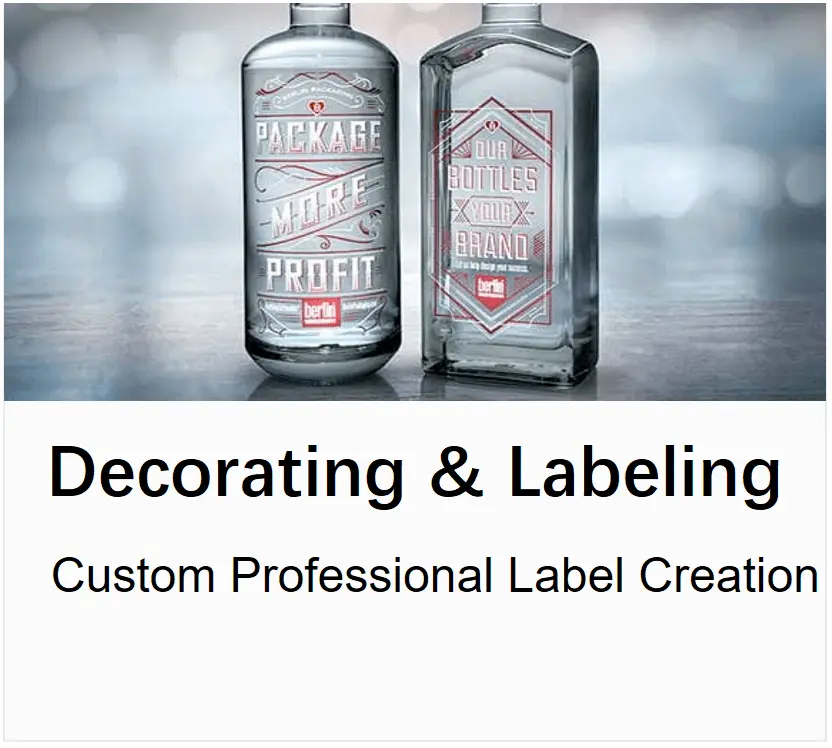
From matte black textures to organic acid etching and complex metallic decals, finishing techniques define modern retail visibility. We employ computerized silk-screening, thermal transfer printing, and chemical vapor deposition (CVD) coatings to produce bottles that stand out on shelves while resisting scratching and abrasion during transport.
Navigating global procurement requires strict quality assurance checks. Our factory functions on a comprehensive, end-to-end management protocol:
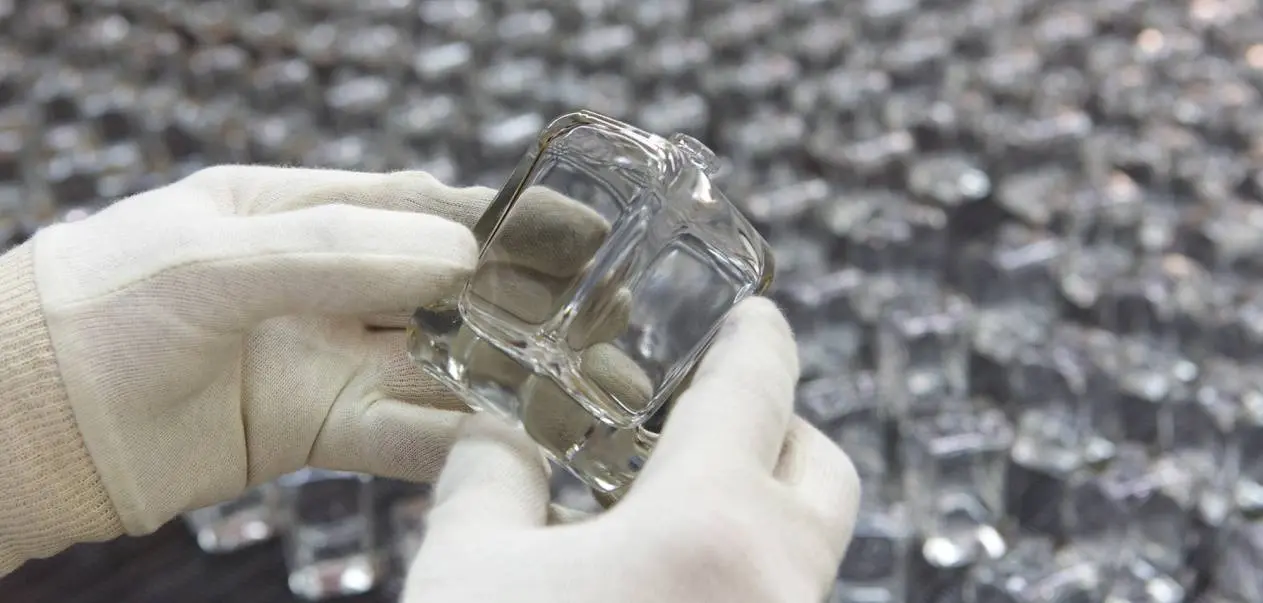
As a leading Chinese glass bottle manufacturer, we take pride in our ability to produce glass bottles from start to finish. Our integrated processes encompass raw material crushing and mixing, precise batching, melting, shaping, and meticulous annealing, ensuring top-notch quality at every step.
Read AllExplore our extensive portfolio of shapes, capacities, and custom finishing profiles.
Get professional answers on raw materials, customization parameters, quality guidelines, and shipping logistics.
Working in alignment with leading industrial standards and global supply chains.
Direct from China's Advanced Glass Manufacturing Foundries. Bulk Supply Configurations Available.