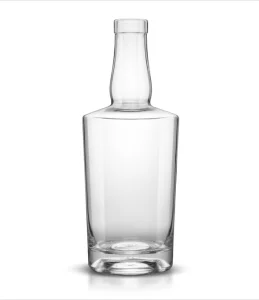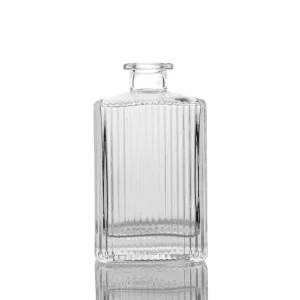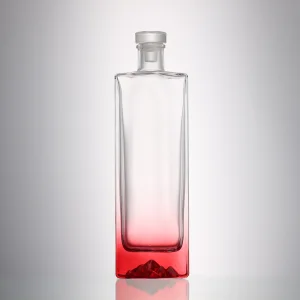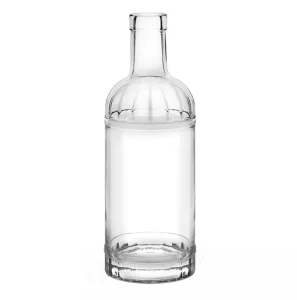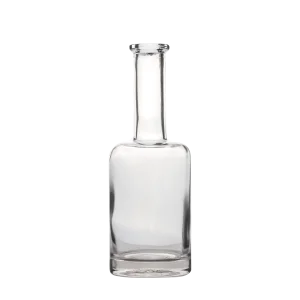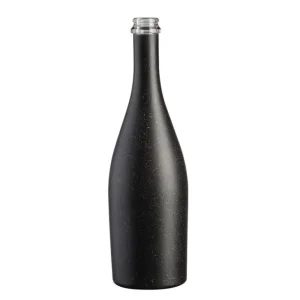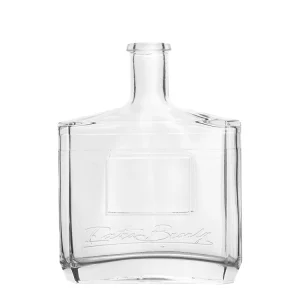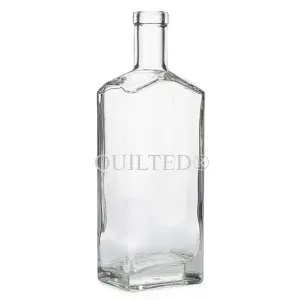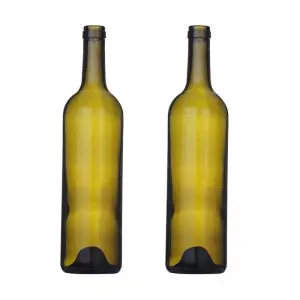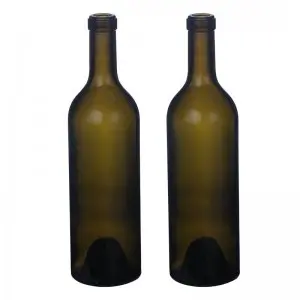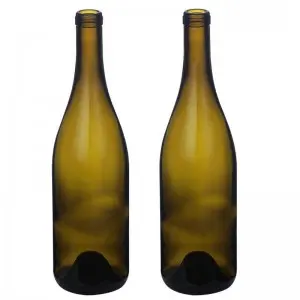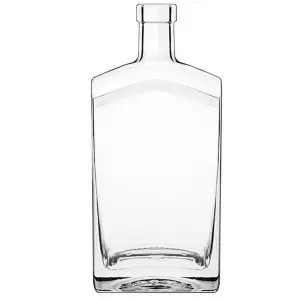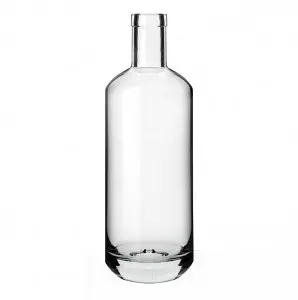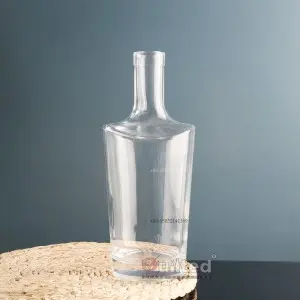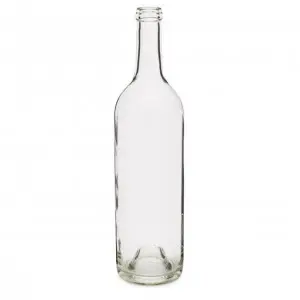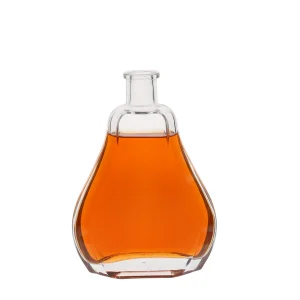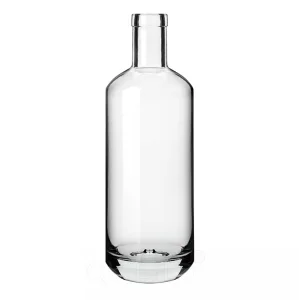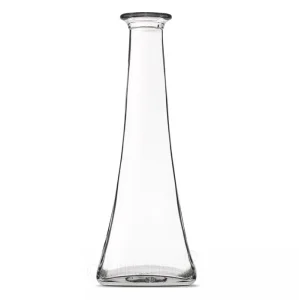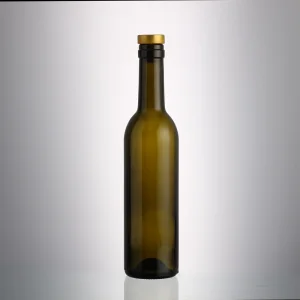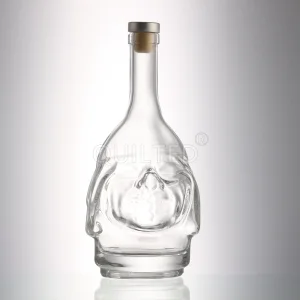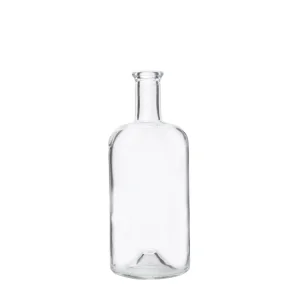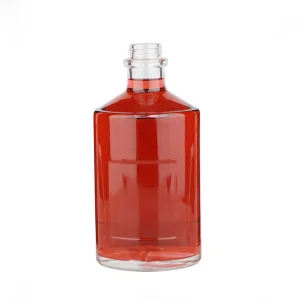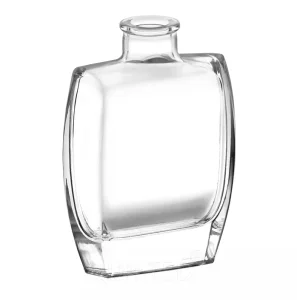
Explore our premium, precision-engineered glass packaging designs curated for world-class spirits, liquors, and fine wines.
From initial blueprinting to mass automated production, we deliver unparalleled engineering excellence in high-grade flint and custom colored glass.
Our premier custom bottle manufacturing service, with an optimized supply chain, seamlessly transforms your concepts into stunning packaging solutions.

Crafting our custom glass packaging solutions within our state-of-the-art bottling facility enables us to drive down costs while ensuring swift delivery of top-notch finished goods.

Avail yourself of our complimentary glass bottle samples, aiding you in solidifying your decision to invest in our premium glass bottle selections, facilitating bulk purchases with confidence.

A comprehensive study on market trends, metallurgy processing of pink glass, and the dynamics of sustainable global supply chains.
The global wine market is witnessing a distinct paradigm shift in consumer purchasing behavior. Aesthetics and packaging design are no longer secondary to product taste; they are crucial components of brand experience. Among these, the pink glass wine bottle (often referred to as rose-tinted, pink-flint, or blush glass) has emerged as a premium container of choice. Driving this phenomenon is the explosive popularity of Rosé wines, sparkling wines, and localized botanical spirits.
Historically, wine was bottled in standard amber, antique green, or clear flint glass to prevent light exposure and minimize cost. However, the rise of Millennial and Gen-Z demographics in the wine and spirits market has altered these traditions. Consumers now seek "Instagrammable" and visually striking shelf presences. The delicate pink hue of the bottle communicates a fresh, floral, and premium taste profile before the bottle is even opened. This aesthetic translates to increased brand loyalty and a higher retail price ceiling.
Manufacturing pink glass requires highly precise metallurgical and chemical control during the batching and melting phases. Standard clear flint glass uses iron oxide to attain clarity, which naturally leaves a slight greenish tint. To synthesize a consistent, vibrant, and food-safe pink hue, glass factories introduce transition metal dopants such as selenium, manganese, or cobalt in minute quantities into the soda-lime-silica mixture.
The manufacturing challenges include:
As global logistics face unpredictable geopolitical bottlenecks, securing a highly resilient manufacturer is vital for large-scale beverage brands. Modern glass factories in China have completed their transition to Factory 4.0 paradigms. This integration combines AI-driven quality inspection, automated raw material batching, and highly efficient logistics centers.
By utilizing automated IS (Individual Section) forming machines, Chinese manufacturers achieve production tolerances of less than 0.2mm on bottle neck diameters. Optical inspect scanners identify bubbles, stone inclusions, and wall thickness variance instantly, rejecting defective bottles automatically before they leave the manufacturing floor. This results in an industry-leading yield rate (>97%), which dramatically lowers production costs relative to traditional factories.
For enterprise purchasing directors in North America and Western Europe, choosing a Chinese supplier involves evaluating compliance, environmental standards, and transportation safety. Today's leading glass factories conform to RoHS, TPCH heavy metal regulations, and FDA food-grade specifications.
Moreover, lightweighting technology is a massive driver in international shipping. Through narrow neck press-blow (NNPB) processes, manufacturers can reduce a standard 750ml glass bottle's weight from 550g down to 380g-420g without sacrificing pressure resistance or structural integrity. This lightweighting lowers the carbon footprint of transport, optimizing container space and directly decreasing ocean freight expenses.
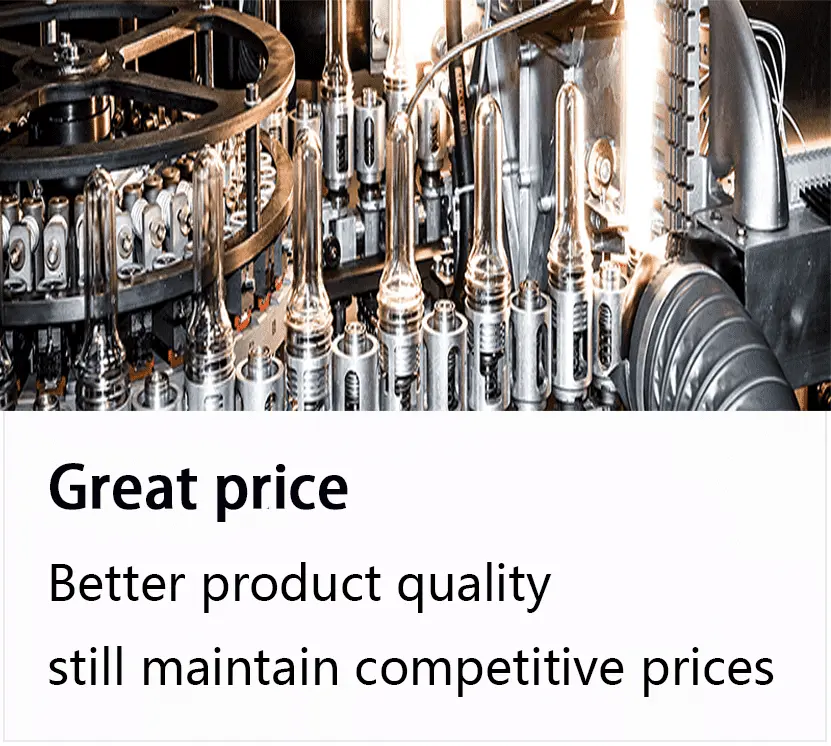
As a leading Chinese glass bottle manufacturer, we take pride in our ability to produce glass bottles from start to finish. Our integrated processes encompass raw material crushing and mixing, precise batching, melting, shaping, and meticulous annealing, ensuring top-notch quality at every step.
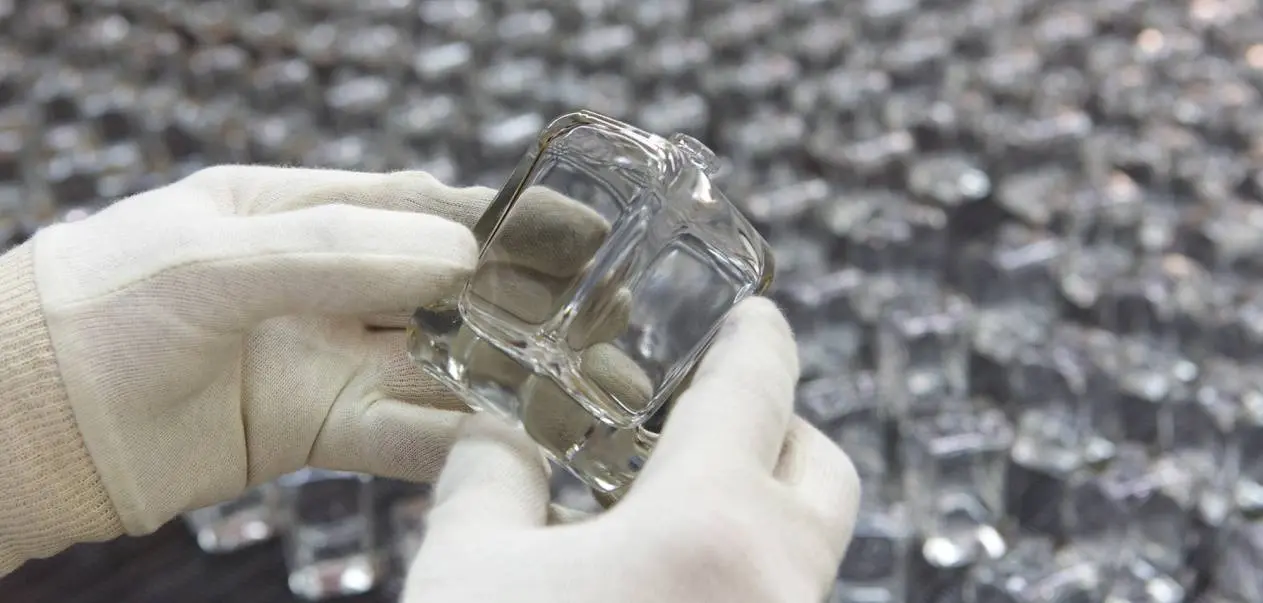
As a leading Chinese glass bottle manufacturer, we take pride in our ability to produce glass bottles from start to finish. Our integrated processes encompass raw material crushing and mixing, precise batching, melting, shaping, and meticulous annealing, ensuring top-notch quality at every step.
With dozens of automated production lines operating 24/7, our manufacturing capabilities are supported by rigorous quality control protocols. We operate our own raw material testing labs, spectroscopic analyzer units for color tracking, and automated thermal-shock chambers. By managing the supply chain directly, we ensure our global partners enjoy stable prices and reliable lead times.
Pink glass wine bottles are uniquely suited for specific commercial and festive niches. Wineries across the Napa Valley, Provence, and the Barossa Valley deploy pink glass to establish immediate visual differentiation. Key applications include:
Explore our wider catalog, including custom-embossed flasks, traditional wine shapes, and unique spirit bottles.