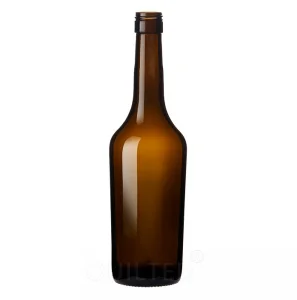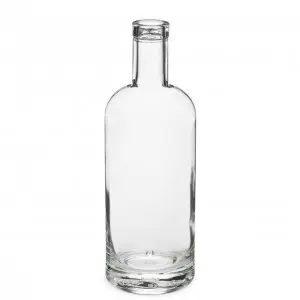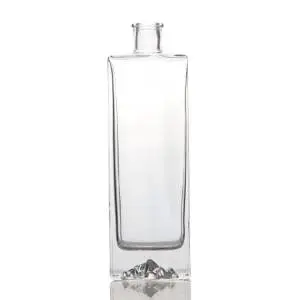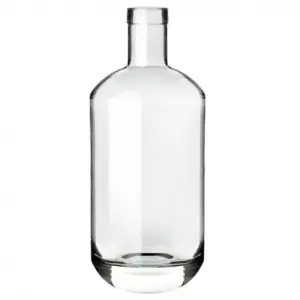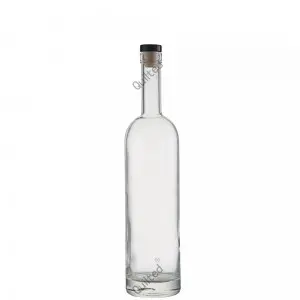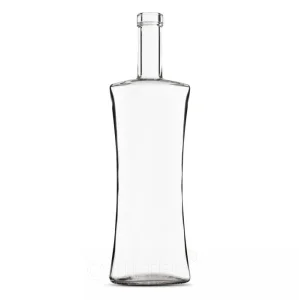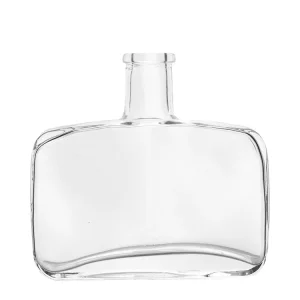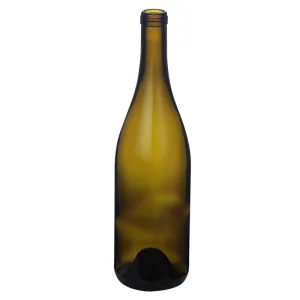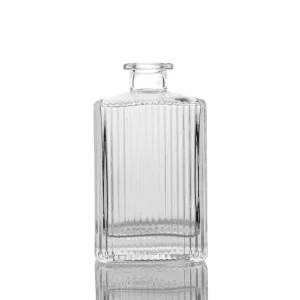
An Analysis of Technical Superiority and Supply Chain Resilience in Bottles with Cork Stoppers Production
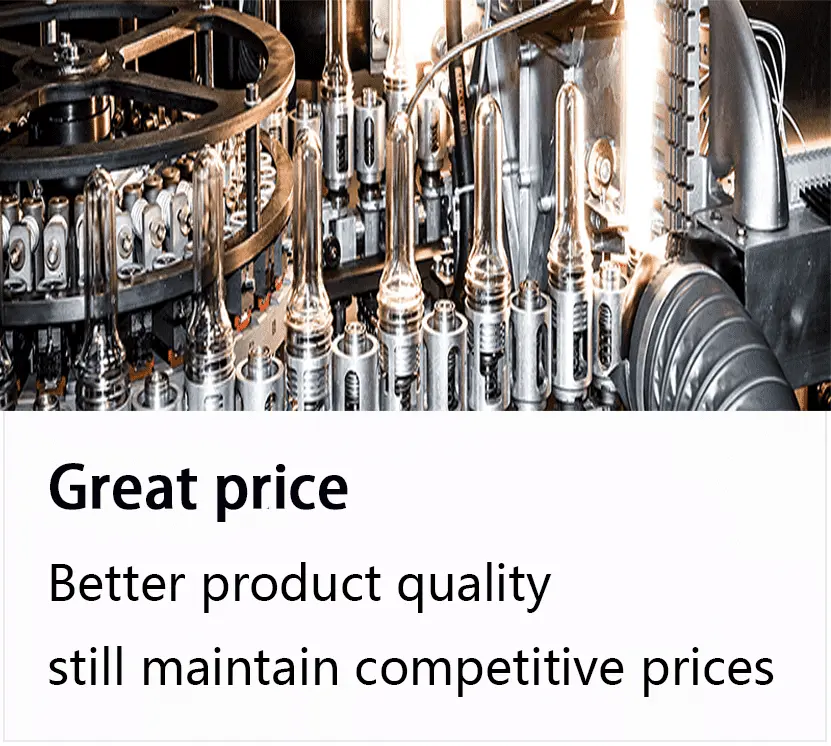
Modern Chinese manufacturers utilize automated NNPB (Narrow Neck Press and Blow) technology. This ensures uniform wall thickness and exceptional thermal shock resistance, critical for high-pressure bottling lines and international shipping safety.
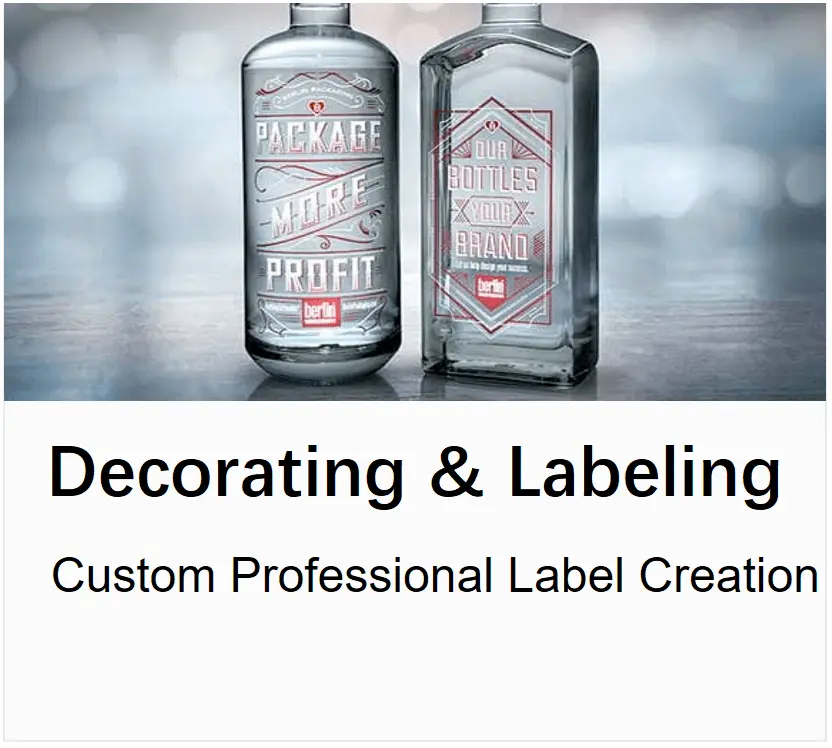
From custom embossed brand logos to unique geometric shapes, China's mold-making industry offers the fastest turnaround from design prototype to industrial production, often reducing development cycles by 40% compared to European counterparts.
Integration of recycled glass (cullet) systems and electric furnace technology is aligning Chinese factories with global ESG goals, providing low-carbon packaging solutions for the sustainable liquor market.

Our premier custom bottle manufacturing service, with an optimized supply chain, seamlessly transforms your concepts into stunning packaging solutions.

Crafting our custom glass packaging solutions within our state-of-the-art bottling facility enables us to drive down costs while ensuring swift delivery of top-notch finished goods.

Avail yourself of our complimentary glass bottle samples, aiding you in solidifying your decision to invest in our premium glass bottle selections.
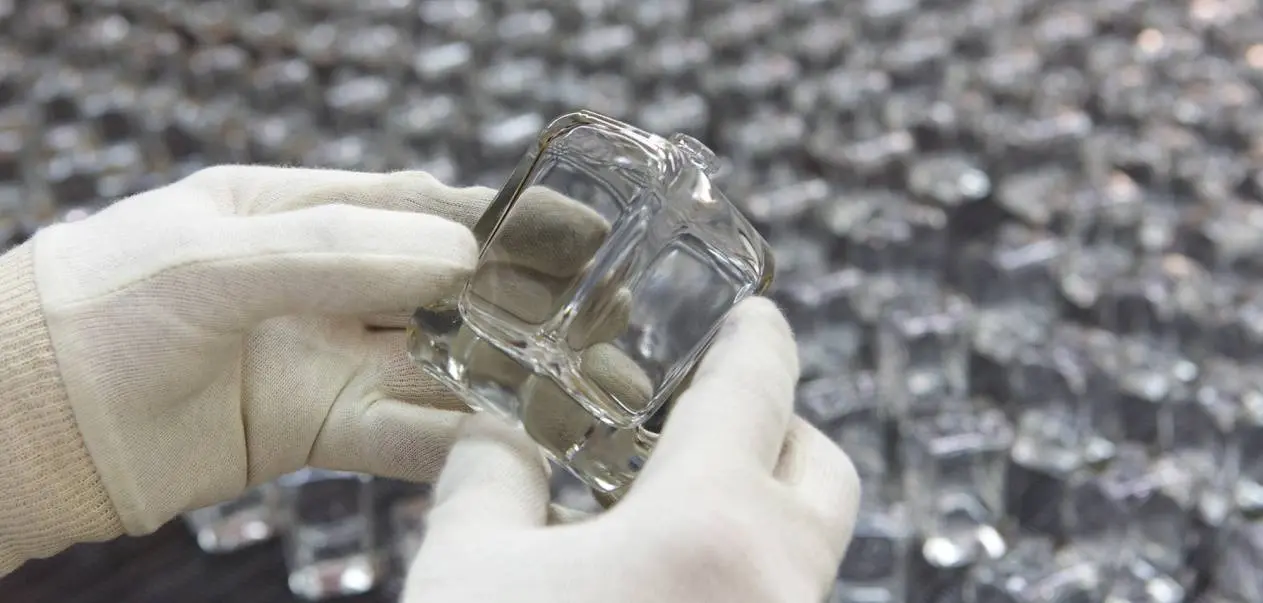
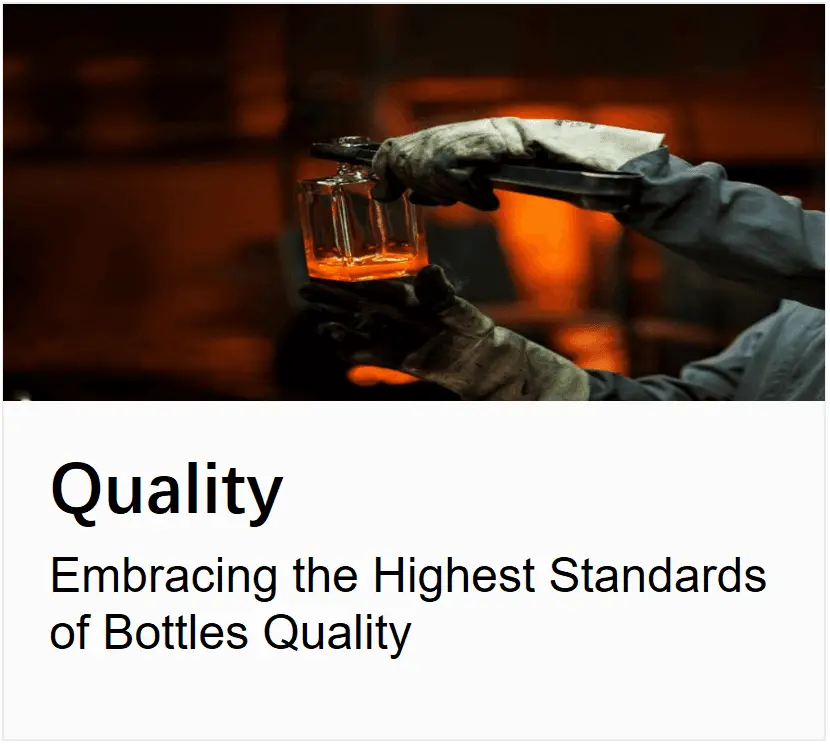
As a leading Chinese glass bottle manufacturer, we take pride in our ability to produce glass bottles from start to finish. Our integrated processes encompass raw material crushing and mixing, precise batching, melting, shaping, and meticulous annealing, ensuring top-notch quality at every step.
By leveraging advanced automation and rigorous quality inspection protocols, we bridge the gap between traditional craftsmanship and modern industrial efficiency.
Adapting to Global Consumer Preferences and Regulatory Standards
The global shift towards "Drinking Less but Better" has increased the demand for extra-flint glass. Cork stoppers remain the gold standard for premium spirits like Whisky, Tequila, and Gin because they provide a sensory ritual that screw caps cannot replicate. We offer T-shape synthetic corks, natural corks, and agglomerated options to meet different price points and oxygen transmission requirements.
For global enterprises, sourcing from China is no longer just about price. It’s about Supply Chain Agility. Our facility's proximity to major shipping hubs ensures that high-volume orders for seasonal releases (like Christmas or Lunar New Year) are fulfilled with precision. We understand localized application scenarios, from European wine traditionalism to North American craft distillery aesthetics.
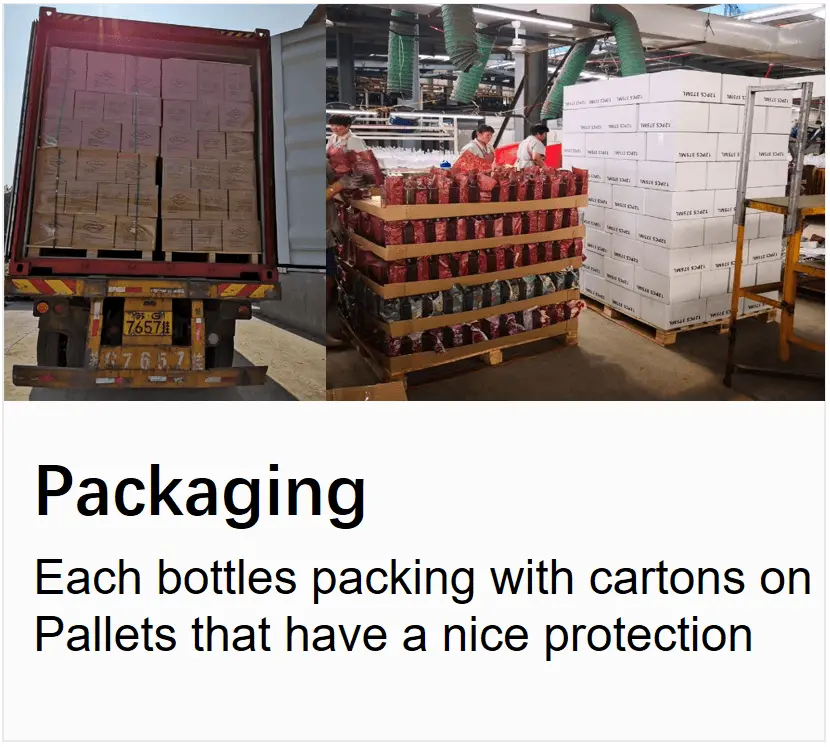
Modern enterprises require more than just a bottle. They require a partner who can provide End-to-End Solutions. This includes the bottle, the cork, the shrink capsule, and the corrugated shipping carton. Our manufacturing philosophy integrates these components into a single quality-controlled workflow, reducing the risk of component mismatch and logistical friction.
Excellence Ready to Ship
Expert Insights into Sourcing and Quality Assurance
Cork stoppers provide a superior airtight seal that allows for minimal oxygen exchange, which is beneficial for certain spirits' aging processes. Furthermore, from a consumer psychology perspective, the "pop" of a cork is associated with premium quality and authenticity.
We utilize automatic inspection machines (AIS) that check for dimensions, neck finish irregularities, and glass stress points. The internal diameter of the neck is held to a tolerance of +/- 0.5mm to ensure a perfect fit with standard and custom corks.
Yes, all our glass materials are food-grade and undergo regular testing for lead and cadmium content to ensure compliance with international standards like FDA, LFGB, and California Proposition 65.
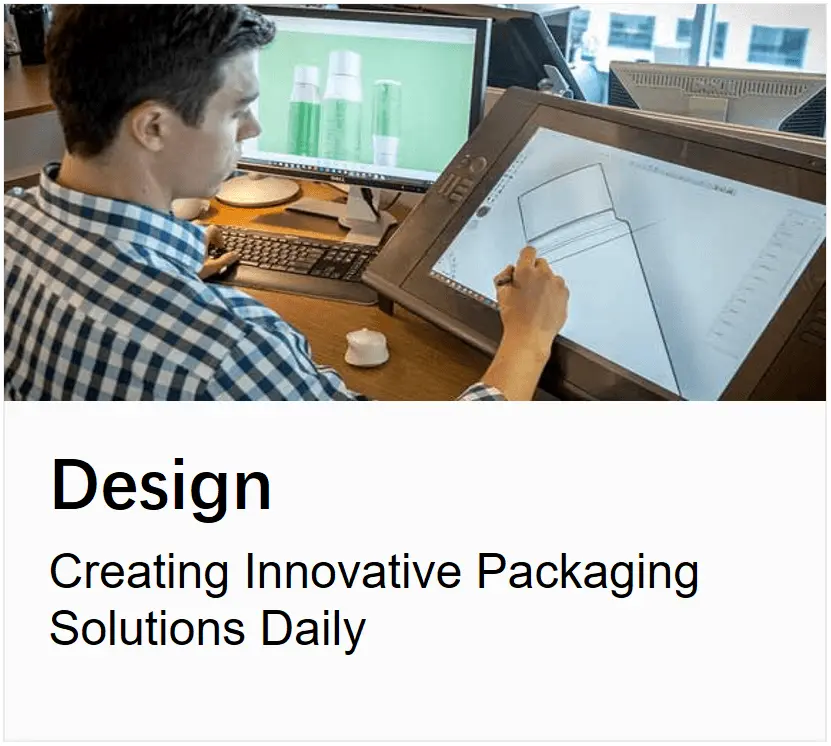
Absolutely. We specialize in ODM/OEM services. Our design team can provide 3D renderings and 3D-printed samples before we move to the final steel mold production.
For standard stocked items, the MOQ can be as low as 6,000 units. For fully customized shapes, we usually require a minimum order of 12,000 to 20,000 units depending on the bottle weight and complexity.