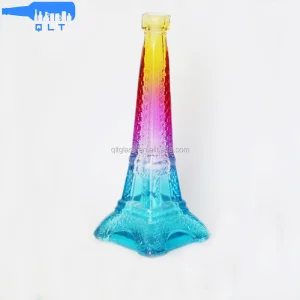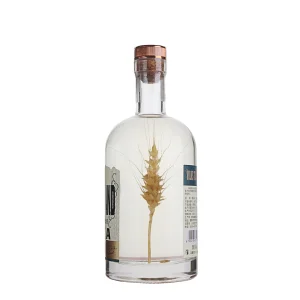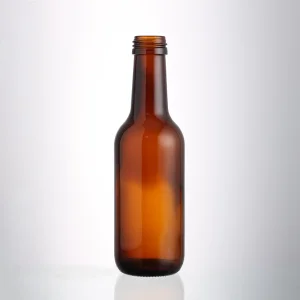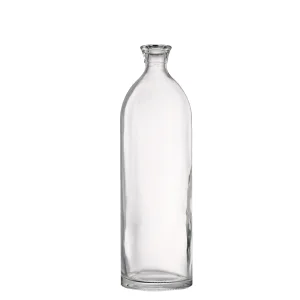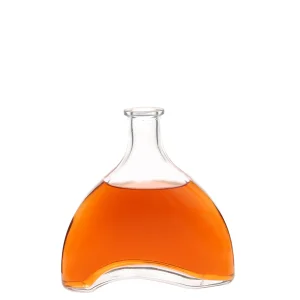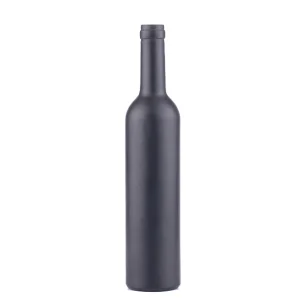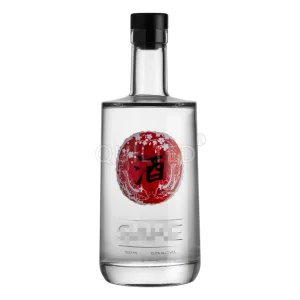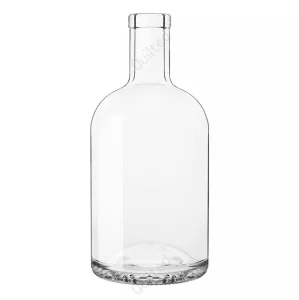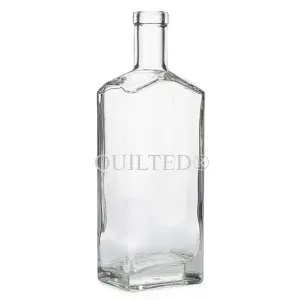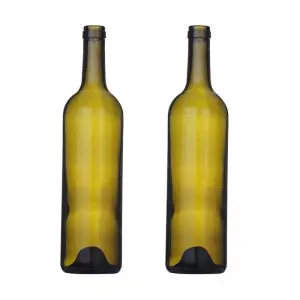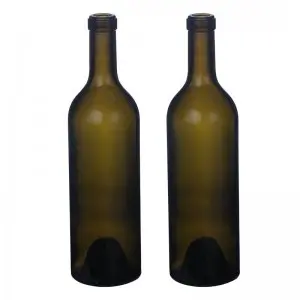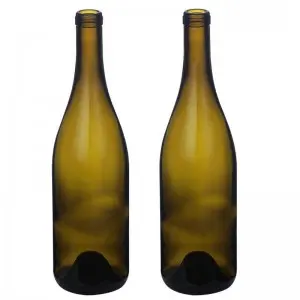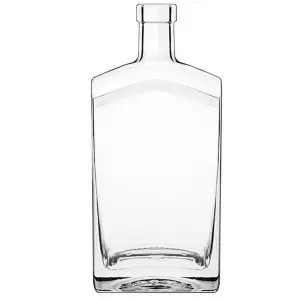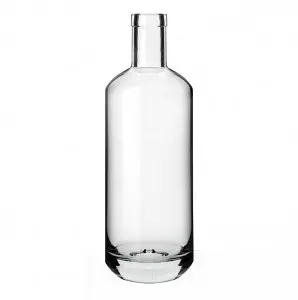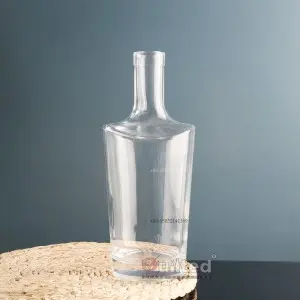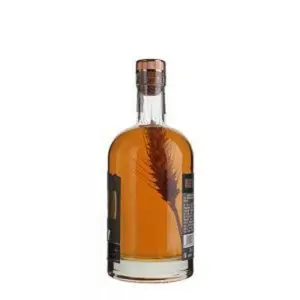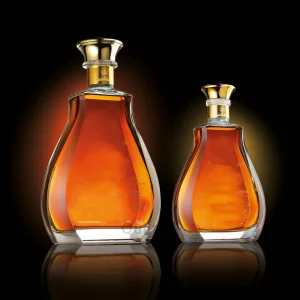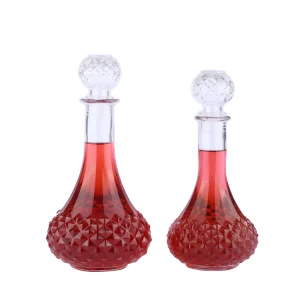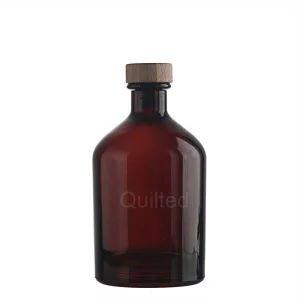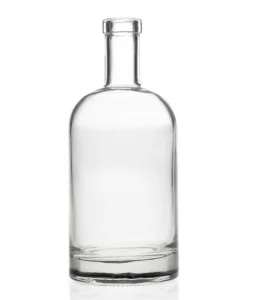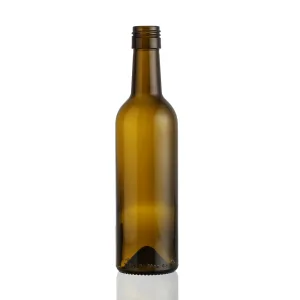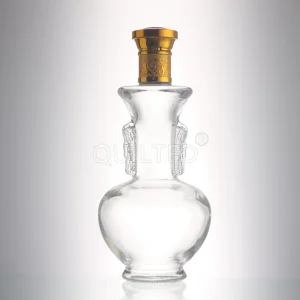
Explore our flagship glass bottle collection, featuring precise engineering, flawless flint clarity, and diverse closures tailored for spirits, wine, and craft beverages.
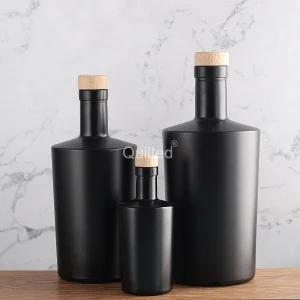

Our premier custom bottle manufacturing service, with an optimized supply chain, seamlessly transforms your concepts into stunning packaging solutions.

Crafting our custom glass packaging solutions within our state-of-the-art bottling facility enables us to drive down costs while ensuring swift delivery of top-notch finished goods.

Avail yourself of our complimentary glass bottle samples, aiding you in solidifying your decision to invest in our premium glass bottle selections, facilitating bulk purchases with confidence.
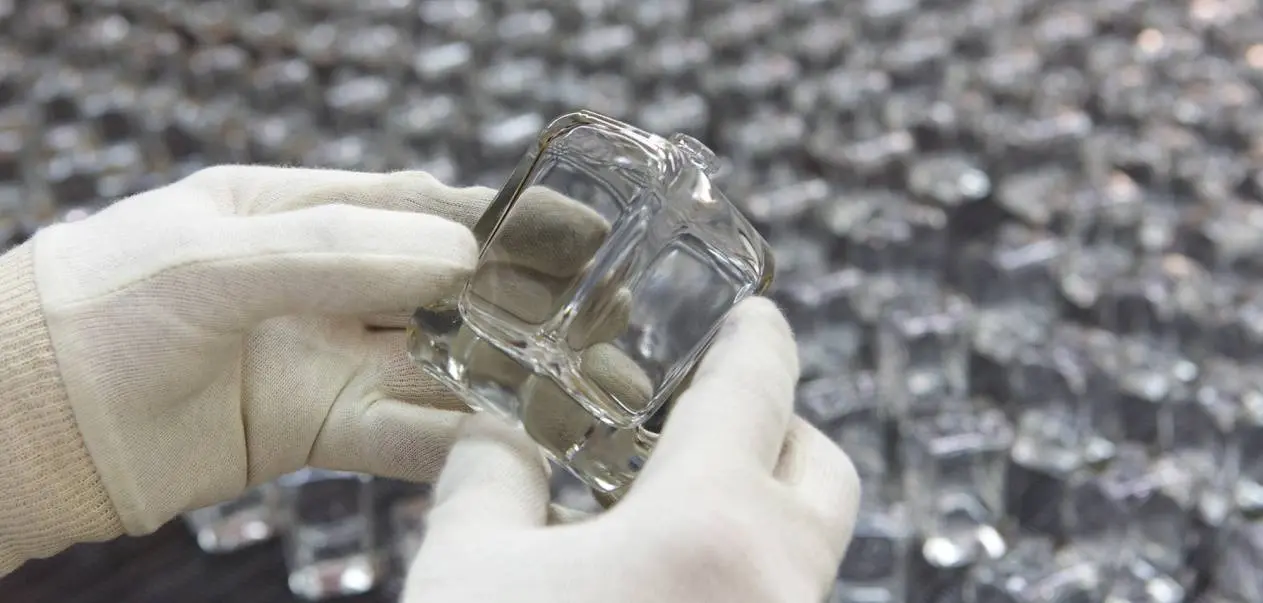
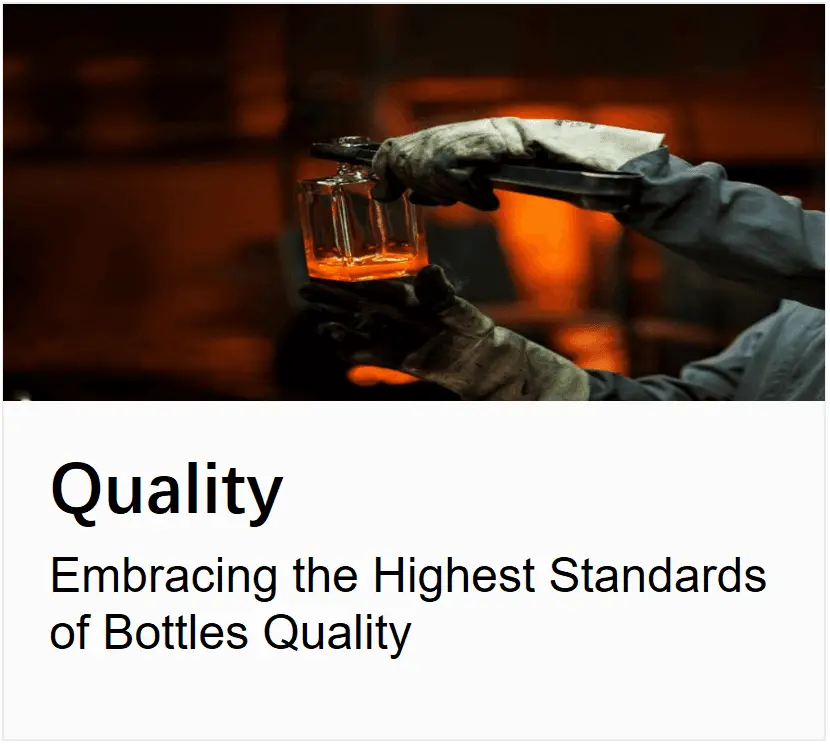
As a leading Chinese glass bottle manufacturer, we take pride in our ability to produce glass bottles from start to finish. Our integrated processes encompass raw material crushing and mixing, precise batching, melting, shaping, and meticulous annealing, ensuring top-notch quality at every step.
Read All ProfileAn Industry Whitepaper on Global Supply Chains, Glass Specifications, Customization Technologies, and Procurement Strategy.
The 750 ml glass bottle capacity is the universal standard for wines and spirits globally, a designation established by international trade agreements and standardization bodies such as the EU Directive 75/106/EEC and U.S. ATF regulations. This specific volume dominates retail store shelves, back bars, and shipping containers across North America, Europe, and Asia-Pacific.
From an industrial perspective, the 750 ml configuration provides the optimal balance between liquid volume, structural integrity of the container, shipping efficiency, and consumer handling ergonomics. In the premium spirits sector, the weight of the empty glass bottle is often used to signal luxury, with custom containers sometimes weighing from 600g up to 950g or more. This dynamic has turned the 750 ml glass container from a simple packaging solution into a primary component of brand equity and shelf positioning.
In the premium wine sector, bottle shapes dictate regional identity. The heavy-weight Bordeaux bottle with defined shoulders, the sloping shoulders of the Burgundy shape, and the slender form of the Alsace flute all rely on exact 750 ml volumetric specifications. For high-value distillates like Whiskey, Tequila, Gin, and Brandy, the 750 ml size serves as the canvas for complex geometric designs, custom glass embossing, and heavy bases. Choosing the right manufacturer is key to ensuring that glass weight distributions, neck dimensions, and internal volumes remain consistent across production runs of millions of units.
China's glass packaging manufacturing sector has evolved from a low-cost alternative into a center of high-tech production, advanced glass chemistries, and integrated supply chains. Sourcing 750 ml glass bottles from top-tier Chinese manufacturers provides buyers with distinct strategic advantages:
Clusters and Raw Material Synergies: Modern factories located in key provinces like Shandong, Jiangsu, and Hebei benefit from proximity to high-grade silica sand deposits, local soda ash production, and established logistics networks. This concentrated infrastructure minimizes domestic transport costs and stabilizes material pricing.
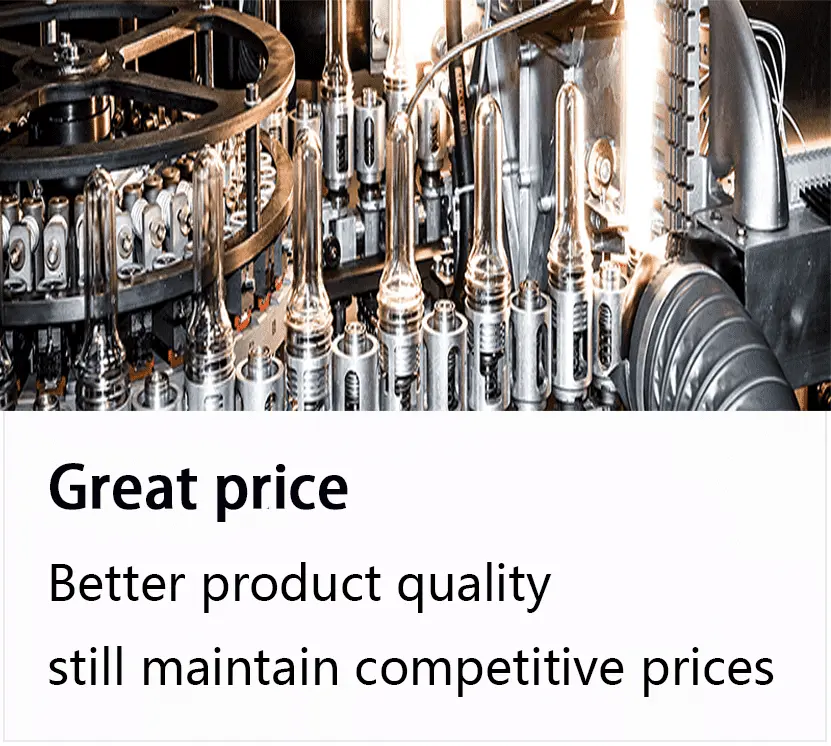
Advanced Individual Section (IS) Machine Technology: Leading Chinese factories use automated, servo-controlled IS machines capable of double and triple-gob operations. These electronic systems ensure consistent glass distribution, uniform wall thickness, and precise neck and thread dimensions. This level of precision is necessary for high-speed filling lines where deviations can lead to line downtime or package failures.
High-end facilities run computerized annealing lehrs that gradually reduce glass temperature from over 600°C to ambient levels. This process relieves internal stresses, increasing mechanical strength and thermal shock resistance. Applying hot-end monobutyltin trichloride (MBTC) coatings and cold-end polyethylene wax coatings protects bottles from surface scratches during high-speed handling and transport.
Cost-Effective Customization: Developing a bespoke 750 ml bottle mold in Western Europe or North America can cost from $15,000 to over $40,000, with long lead times. In contrast, Chinese factories offer precise CNC-machined steel or iron molds for a fraction of that cost, and can deliver physical samples in 15 to 25 days. This enables brands to innovate and bring new designs to market much faster.
The quality of a 750 ml glass bottle depends on the purity of the raw materials and the control of the melting process. Glass is generally categorized into distinct grades, each suited to different market tiers:
Extra Flint / Super Flint: The highest standard of glass clarity, used for premium spirits. This grade utilizes premium silica sand with minimal iron content (typically under 0.015% Fe2O3). The resulting glass is highly transparent and free of the blue or green tint common in standard glass. This makes it ideal for showcasing the natural colors of clear spirits like Gin, Vodka, and Tequila.
High Flint / Cosmetic Grade: Offers excellent transparency and mechanical strength for mid-to-high tier spirits and liquors. It strikes a good balance between cost and premium visual presentation.
Amber & Antique Green: Formulated with iron, sulfur, and chromium additives to block ultraviolet and visible light. This is crucial for protecting light-sensitive beverages like red wines and beers from lightstrike, preserving their flavor profiles over long storage periods.
Melting takes place in natural gas or oxy-fuel fired furnaces at temperatures between 1500°C and 1580°C. Refined raw materials—including silica sand, soda ash, limestone, alumina, and sorted cullet (recycled glass)—are carefully mixed to achieve the correct viscosity and stability. During melting, bubbling systems and mechanical refiners work to remove gas bubbles and impurities, ensuring clear, defect-free glass.
Procurement teams must ensure that imported glass bottles comply with all food-contact safety standards and transport regulations in their destination markets. High-quality Chinese glass manufacturers maintain rigorous testing regimes to meet these requirements:
Food Contact Safety Certifications: Bottles must comply with US FDA Title 21 CFR (for lead and cadmium leaching), European Union Regulation (EC) No 1935/2004, and Germany's LFGB. Regular testing by third-party agencies like SGS or Bureau Veritas is standard practice.
Mechanical & Physical Testing Protocols:
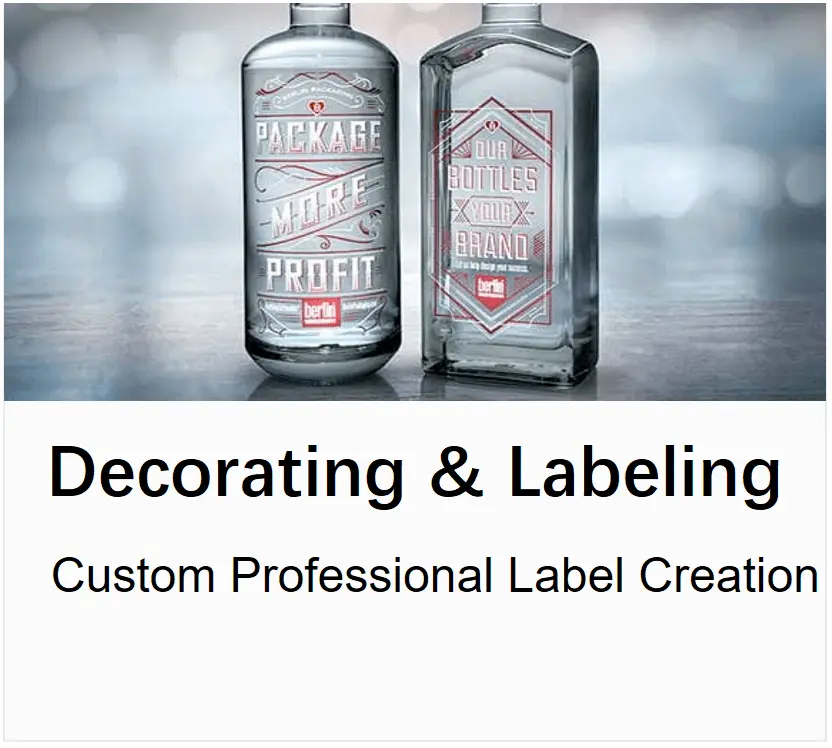
Customizing the exterior of the bottle is a key way to differentiate a brand on the shelf. Chinese glass manufacturers offer a wide range of advanced post-processing decoration techniques:
Acid Frosted Finish: Chemical etching creates a smooth, translucent matte texture that resists fingerprints and scratches, giving the bottle a premium look and feel.
Screen Printing (Organic & Ceramic Inks): Screen printing allows for multi-color designs applied directly to the glass surface. Ceramic inks are baked onto the bottle at temperatures above 600°C, fusing the design with the glass for high durability and wear resistance.
Electroplating & Spray Coating: Metallic electroplating and gradient color spraying can transform clear glass with reflective finishes, gold or silver metallic layers, or custom color tints.
Decalcomania (Decals): High-definition artwork is printed onto carrier paper and manually or semi-automatically applied to the bottle, then fired in a kiln. This method is ideal for complex, multi-colored designs that cannot be easily screen-printed.
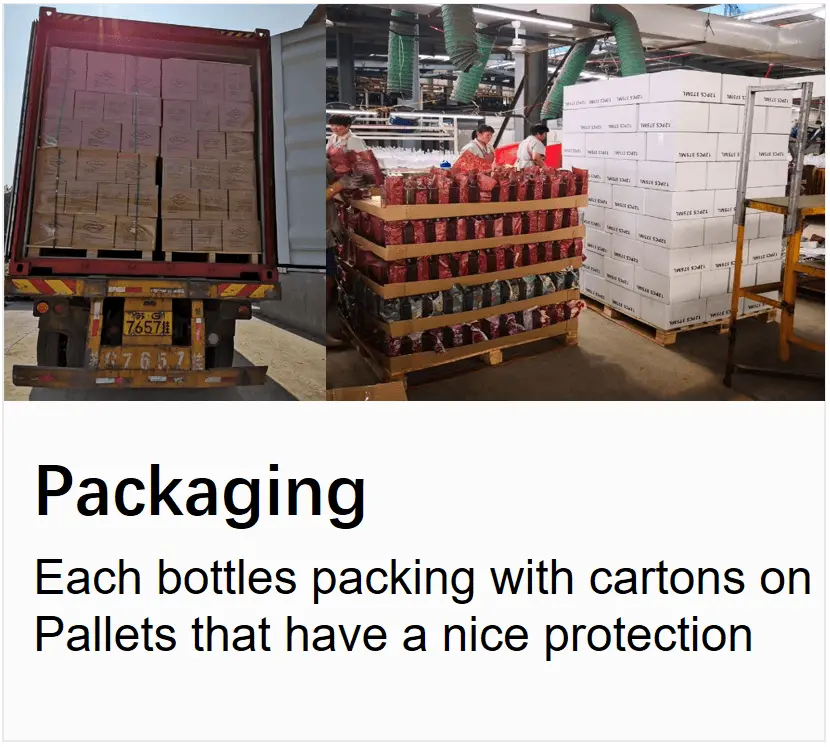
Shipping fragile glass bottles globally requires careful packaging design and secure container loading. Manufacturers use two primary packaging methods to protect goods during transit:
1. Palletized Bulk Shipments: Bottles are stacked in layers on heavy-duty wooden or plastic pallets, separated by clean, moisture-resistant cardboard tier sheets. The entire stack is secured with vertical corner protectors and wrapped in heavy-duty stretch film to prevent movement. This method maximizes container capacity and allows for fast unloading with forklifts.
2. Custom Carton Packaging: For high-value, decorated bottles, manufacturers use double-wall corrugated cartons with internal cardboard dividers. This prevents glass-on-glass contact and provides extra protection during shipping and handling. Cartons can also be designed as retail-ready packaging.
To prevent transit damage, containers are loaded securely to eliminate empty space, using air bags or bracing where necessary. Desiccant packs are placed inside the containers to control humidity and prevent moisture from weakening the cardboard packaging.
The global glass packaging industry is shifting toward more sustainable and energy-efficient manufacturing practices, driven by changing environmental regulations and consumer preferences:
Lightweighting (NNPB Technology): Narrow Neck Press and Blow (NNPB) technology allows manufacturers to produce bottles with thinner, more uniform walls. This reduces the overall weight of a 750 ml bottle by 15% to 25% without sacrificing strength. Lighter bottles require less raw materials and energy to manufacture, and lower shipping weights reduce transportation-related carbon emissions.
Increasing Recycled Cullet Ratios: Incorporating more recycled glass (cullet) into the batch mixture lowers the melting point in the furnace. This reduces energy consumption and cuts carbon dioxide emissions during production.
Smart Inspection & Traceability: Modern factories are integrating AI-powered optical inspection systems and laser-etched QR codes. These tools check every bottle for defects in real-time and provide full traceability from the raw materials to the final shipment.
A comprehensive overview of our diverse bottle designs, offering tailor-made packaging solutions for wineries, distilleries, and specialty beverage brands.
Reliable manufacturing options designed to meet the quality and regulatory requirements of international buyers.