
In the competitive world of wine, the importance of Wine Bottle Size cannot be underestimated. It influences marketing strategies, consumer perceptions, and even pricing. A well-considered wine bottle size can enhance the appeal of your product. For instance, unusual sizes may attract curious customers, while standard sizes offer familiarity.
Moreover, different sizes can affect storage and transportation logistics. A business might face challenges if not enough thought is given to Wine Bottle Size. It is vital to align the size with branding and target demographics. A premium wine in a standard bottle may not convey exclusivity. This misalignment can lead to missed sales opportunities.
Taking the time to analyze the implications of Wine Bottle Size is essential for growth. Reflecting on one's choices may reveal areas needing improvement. Your decisions can drive customer loyalty and brand recognition. Emphasizing the right bottle size cultivates a strong market presence, which is crucial for long-term success.
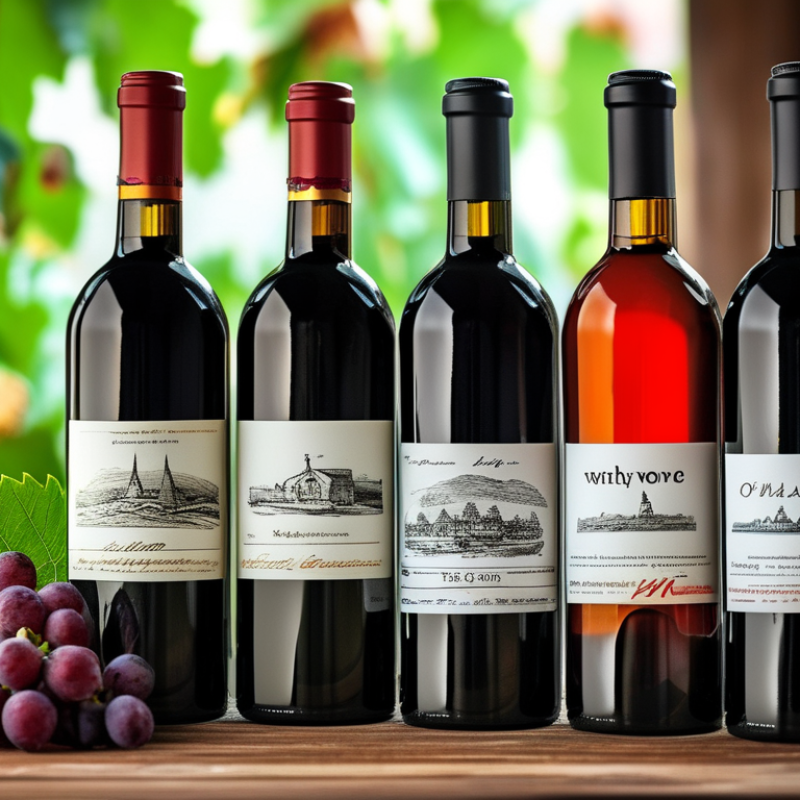
The size of wine bottles can significantly influence customer perception. Larger bottles often communicate luxury and exclusivity. They create an elegant feel that can elevate a customer’s dining experience. Conversely, smaller bottles can suggest accessibility and convenience. They cater to those wanting to try new wines without committing to a full bottle. Understanding these nuances is key for any wine business.
Tips: Consider your target market. If you aim for upscale diners, larger bottles may suit you. Research shows that 750ml bottles remain the industry standard, but experimenting with sizes can attract a diverse clientele.
Wine bottle sizes also reflect brand identity. Unique sizes can differentiate products on crowded shelves. They can draw attention and invite curiosity from potential customers. Smaller sizes, like 375ml, appeal to casual drinkers. However, ensure quality isn't compromised for size. Reflecting on your choices can offer insights into customer desires and preferences.
Ultimately, the right bottle size can enhance brand perception and sales. Regularly assess how size influences purchasing behavior. Adjust strategies based on customer feedback and sales data.
| Bottle Size (ml) | Typical Use | Customer Perception | Average Price ($) | Popularity Rating (1-5) |
|---|---|---|---|---|
| 375 | Half Bottle | Perceived as premium, great for tasting | 15 | 4 |
| 750 | Standard Bottle | Most common, good value perception | 10 | 5 |
| 1500 | Magnum | Celebratory, suggests high quality | 30 | 3 |
| 3000 | Double Magnum | Exclusive, for collectors | 80 | 2 |
| 5000 | Jeroboam | Very rare, high-profile events | 150 | 1 |
When it comes to wine, the size of the bottle can influence both storage and consumption. Standard wine bottles hold 750 ml, a size that balances ease of handling and sharing. Larger formats, like magnums (1.5 liters), are often preferred for celebratory occasions. Studies have shown that wines in larger bottles age better due to a slower oxygen ingress, which can enhance flavor. According to a report by the Wine and Spirit Trade Association, larger bottles represent about 10% of total wine sales but account for a higher percentage of premium wine purchases.
On the other hand, smaller formats, such as half bottles (375 ml), cater to niche markets. These are excellent for tastings or personal drinking without waste. A survey indicated that nearly 20% of consumers are more likely to try a new wine in a smaller format. This emphasizes the opportunity for businesses. They can draw in customers looking for versatility and accessibility without committing to full-sized bottles.
Understanding these dynamics can help a wine business thrive. It requires an astute awareness of market trends and consumer preferences. Adapting to these changes shows a company's commitment to its clientele. However, there remains the challenge of inventory management with diverse sizes, as it can complicate stock levels. Balancing these aspects may not be straightforward but can prove rewarding in the long term.
When considering packaging for wine, bottle size plays a vital role. Smaller bottles, such as 375ml or 500ml, often reduce shipping costs. According to the Beverage Marketing Corporation, shifting to half bottles can save up to 30% in shipping. However, they also limit serving options and consumer appeal. Larger bottles, like magnums, can attract higher-end clients but increase freight costs significantly due to their weight.
Packing efficiency is another concern. Smaller bottles fit more snugly in containers, maximizing space. Research shows that optimizing container load can reduce per-unit costs by as much as 15%. Yet, this may involve additional labor and handling, increasing operational complexity. Consider whether the expected price point justifies these potential increases in workload.
Tip: Analyze your target market when choosing bottle sizes. Focus on consumer preferences versus cost savings. Testing different sizes can yield insights before committing.
Tip: Always calculate the full cost of different bottle sizes. Consider not just shipping but also storage and handling costs. Adjusting your packaging could result in substantial savings.
Choosing the right bottle size for your wine is crucial for pricing strategies. A larger bottle can convey a sense of luxury and exclusivity. However, it also requires a higher price point. Smaller bottles may attract budget-conscious consumers. Understanding customer preferences is key to setting the right price.
Tip: Experiment with various bottle sizes to gauge customer reactions. A tasting event can provide valuable insights. Ensure you gather feedback on both size and price.
Drinking habits vary among consumers. Some may prefer single servings, while others enjoy sharing. Offering diverse bottle sizes can cater to both markets. However, balancing variety with inventory costs is challenging. Monitor sales trends to identify the most profitable sizes.
Tip: Analyze your sales data regularly. This helps refine your bottle offerings. Remember, what works today may not be effective tomorrow. Adaptability is essential in the wine business.
Understanding wine bottle sizes is crucial for businesses in the beverage industry. Each size serves a unique market segment. Larger bottles usually attract attention but may not suit all consumers. Smaller bottles offer convenience and affordability, appealing to a more budget-conscious audience.
When creating marketing strategies, consider your target demographic. Use bottle sizes to differentiate products and create unique selling points. For instance, large-format bottles are perfect for celebrations. They can be positioned as luxury items for special events. Meanwhile, single-serving bottles may appeal to younger consumers seeking portability.
Tips: Focus on clear labeling that shows bottle size. Make it easy for customers to understand the value they are getting. Create engaging content around different bottle sizes, like pairing suggestions or serving tips. Reflect on your objectives and adapt your approach regularly to ensure effectiveness. Always seek customer feedback to refine your strategies.
: The standard wine bottle holds 750 ml. It balances handling and sharing.
Larger bottles, like magnums, age better due to slower oxygen exposure. This improves flavor.
Half bottles (375 ml) are great for tastings or personal use. They reduce waste and allow experimentation.
Larger bottles suggest luxury, hence a higher price. Smaller bottles attract budget-conscious consumers.
Businesses need to balance variety with inventory costs. This can complicate stock management.
Hosting tasting events is effective. Gather feedback on both bottle size and price to inform decisions.
Regularly analyze sales data to refine offerings. Adaptability is key for future success.
Managing diverse sizes can be complex. It poses challenges in maintaining stock levels effectively.
The article "Why Does Wine Bottle Size Matter for Your Business?" explores the crucial role that Wine Bottle Size plays in shaping customer perceptions and influencing purchasing decisions. Different bottle sizes cater to various occasions and consumer preferences, making it essential for businesses to understand the market demand. The impact of bottle size extends beyond aesthetics; it significantly affects packaging and shipping costs, which can influence overall profitability.
Moreover, Wine Bottle Size is a key factor in pricing strategies, with larger bottles often commanding a premium due to their perceived value. Businesses can also leverage marketing strategies that highlight size variations to attract different customer segments. By recognizing these dynamics, wine producers and retailers can better position their products to meet consumer needs and enhance their competitive edge in the market.
