
Top 10 Spirits Bottle Sizes Every Global Buyer Should Know?

Time:2026-07-25 Author:Aria
0%

When entering the global market of spirits, understanding different Spirits Bottle Sizes is essential. Each size offers a unique opportunity for brands to position themselves effectively. Buyers must grasp how bottle sizes can influence purchasing decisions and brand perception.

This guide delves into the top ten spirits bottle sizes that every buyer should know. From the elegant 50ml mini bottle to the impressive 1.75L magnum, these sizes each carry distinct attributes. They cater to various consumer preferences and occasions. As a global buyer, being informed about these variations can enhance your product selection and marketing strategies.

However, adapting to market trends can be challenging. The impact of size on sales may not be immediately visible. It's crucial to remain agile and responsive to consumer feedback. Continuously reevaluating your approach to spirits bottle sizes can lead to better decisions in an ever-changing market landscape.
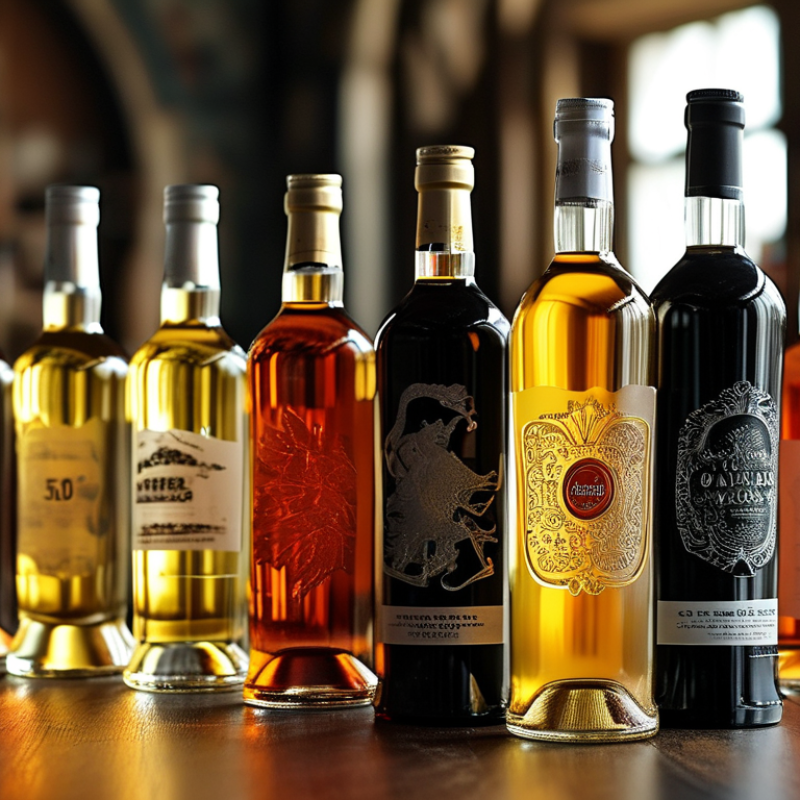
Top 10 Spirits Bottle Sizes Every Global Buyer Should Know?

Understanding the Importance of Bottle Sizes in the Spirits Industry

Bottle sizes in the spirits industry significantly influence consumer choices and market dynamics. According to the IWSR, different bottle sizes can drive purchasing behavior, especially during holidays and events. For instance, larger formats, such as 1.75-liter bottles, often see a spike in sales during celebrations. Yet, smaller bottles, typically 375ml, cater to casual consumers looking for variety without commitment.

Understanding these dynamics is crucial for global buyers. Data from Statista shows that 70% of spirits sales come from standard 750ml bottles. However, emerging trends indicate a rise in demand for innovative sizes. Brands must remain agile, adapting to evolving consumer preferences. Regional markets may favor specific sizes, making it essential to research local habits.

Variability in bottle sizes can lead to strategic challenges. For example, while larger bottles may attract cost-conscious consumers, they risk overstocking in slower markets. In contrast, smaller bottles may enhance shelf rotation. Buyers should question if their inventory aligns with market demand. The journey of selecting the right bottle size goes beyond mere aesthetics; it embodies a deeper understanding of consumer engagement and market trends.

Top 10 Spirits Bottle Sizes Every Global Buyer Should Know

Bottle Size (ml) Commonly Used For Typical Alcohol Content Usage Note
50 ml Miniatures 40% - 50% Ideal for sampling or promotions
200 ml Small Bottles 35% - 50% Good for bars and restaurants
375 ml Half Bottles 40% - 50% Perfect for individual servings
750 ml Standard Bottle 40% - 50% Most commonly used worldwide
1 L Large Bottle 40% - 50% Popular for gatherings
1.5 L Magnum 40% - 50% Great for large events
3 L Jeroboam 40% - 50% For celebrations or parties
6 L Methuselah 40% - 50% Used for extravagant occasions
9 L Salmanazar 40% - 50% For large celebrations
12 L Balthazar 40% - 50% Extremely rare, used at high-end events

Common Bottle Sizes: A Global Perspective on Spirits Packaging

When exploring the global spirits market, understanding packaging sizes is crucial. Common bottle sizes vary by region and consumer habits. A report by the International Wine and Spirit Research indicates that 700ml, 750ml, and 1-liter bottles dominate many markets. Interestingly, the 375ml and 1.5-liter formats are gaining traction in niche segments.

In recent years, the trend has shifted towards smaller bottles. Consumers increasingly prefer portability and convenience. In fact, Nielsen noted a 30% increase in sales of 200ml bottles in urban areas. This shift calls for brands to rethink their packaging strategies. Smaller bottles offer flexibility, making them ideal for events or on-the-go consumption.

However, challenges remain. Packaging materials must ensure product integrity while being sustainable. The push for eco-friendly options complicates supply chains. Furthermore, regulatory differences across countries can confuse global buyers. It's essential to navigate these complexities to optimize both consumer satisfaction and environmental impact.

Volume Trends: Analyzing Sales Data Across Different Bottle Sizes

Bottle sizes are more than mere preferences; they reflect market trends and consumer behaviors. Analyzing sales data reveals significant variations in demand for different sizes. The 750ml bottle remains a staple, widely sought after for its versatility. It caters to both casual drinkers and party hosts. However, the growth of larger formats, such as 1.5L and 3L bottles, signifies a shift in purchasing habits. They appeal to gatherings and celebrations, suggesting that consumers value volume over variety during these occasions.

Smaller bottles have their place, too. The 200ml and 375ml options attract new consumers who want to experiment. They provide a low-commitment way to enjoy different spirits. Interestingly, there’s a trend towards eco-friendliness. More buyers opt for smaller, sustainable packaging. This shows an increasing awareness of environmental impacts within the market. Continuous monitoring of these trends is vital for brands aiming to stay relevant.

Market fluctuations remind us that preferences can be unpredictable. While certain sizes dominate, preferences can shift rapidly. Some regions may favor larger bottles while others remain loyal to traditional sizes. Understanding these dynamics requires constant analysis. Adapting to changing consumer desires keeps brands competitive. Being informed and flexible is essential for success in this fast-paced industry.

Consumer Preferences: How Bottle Sizes Affect Purchasing Decisions

When it comes to spirits, bottle size can significantly influence consumer choices. A 750ml bottle is the industry standard, offering a balance of value and drinkability. However, larger formats, like 1.5L magnums, attract buyers seeking unique experiences. These formats often imply celebration, drawing people to purchase them for special occasions. Smaller bottles, such as 375ml, appeal to those wanting to sample new spirits without commitment.

Research shows that consumers often associate bottle size with quality. Buyers may perceive larger bottles as more premium, suggesting a better product inside. Yet, this is not always the case. Some may overlook smaller bottles, which can offer excellent quality and variety. This highlights a gap in consumer awareness that brands must address. Education about what different sizes offer could reshape purchasing patterns.

Cultural factors also play a role in preferences. In certain regions, sharing a larger bottle is customary, fostering a sense of community. Meanwhile, individualistic cultures might lean towards smaller sizes for personal enjoyment. These behaviors can fluctuate, creating room for brands to innovate. Understanding these nuances can aid sellers in tailoring their offerings effectively.

Regulatory Standards: Bottle Size Requirements in Major Markets

When navigating the global spirits market, understanding bottle size regulations is crucial. Different regions have distinct requirements. For instance, the European Union mandates specific standards to ensure consistency and safety. According to a report by the International Organization of Vine and Wine (OIV), typical bottle sizes range from 200ml to 1.5L, with a strong preference for the 750ml format.

In the U.S., the Alcohol and Tobacco Tax and Trade Bureau (TTB) outlines regulations that influence bottling sizes. The majority of spirits sold are 750ml, reflecting consumer preferences. However, some brands experiment with larger sizes, such as 1L, which can impact pricing and market perception. Data from IWSR Drink Market Analysis highlights that about 60% of spirits are sold in the 750ml size, indicating its dominance.

Understanding these bottle sizes can prevent costly errors. Failure to comply with regulatory requirements may result in product recalls. Moreover, emerging markets are increasingly adopting international standards, which can complicate compliance. Evaluating local regulations is key for global buyers aiming to successfully navigate varying requirements.

Exploring the dynamics at play is essential. It opens a dialogue about effective strategies for bottle size selection that caters to different consumer bases while ensuring compliance.

Top 10 Spirits Bottle Sizes Every Global Buyer Should Know

FAQS

: What are common bottle sizes for spirits?

: Common sizes include 700ml, 750ml, and 1-liter bottles. Smaller formats, like 375ml, are growing in popularity.

Why are smaller bottles becoming popular?

Smaller bottles offer portability and convenience. Their sales increased by 30% in urban areas recently.

How does bottle size affect consumer choices?

Bottle size significantly influences purchasing. A 750ml bottle is standard, while larger ones are seen as premium.

Are larger bottles always of better quality?

Not necessarily. Larger bottles may be perceived as premium, but smaller ones can also offer great quality.

Why do cultural factors matter in bottle size preferences?

Different cultures have unique traditions regarding sharing. Larger bottles encourage community, while smaller ones suit individual enjoyment.

What challenges do brands face with packaging?

They must ensure product integrity while being eco-friendly. Regulatory differences also complicate global distribution efforts.

How can brands educate consumers about bottle sizes?

Education on quality and variety in smaller bottles is crucial. This can shape awareness and influence buying decisions.

What is the trend in spirits packaging?

There is a shift towards smaller bottles, responding to changing consumer preferences for convenience and flexibility.

What role does sustainability play in packaging?

Brands need to think about eco-friendly materials. Balancing sustainability and supply chain complexities is a significant challenge.

Conclusion

Understanding Spirits Bottle Sizes is crucial for buyers in the global market, as these sizes play a significant role in packaging and consumer preferences. Common bottle sizes vary widely across regions, reflecting cultural differences and market demands in the spirits industry. Analyzing sales data reveals intriguing volume trends that indicate which bottle sizes are most popular among consumers, influencing purchasing decisions.

Additionally, regulatory standards in major markets can dictate specific bottle size requirements, further impacting the production and distribution of spirits. By recognizing these factors, buyers can better navigate the complexities of the spirits market and cater to consumer preferences more effectively, ensuring a successful strategy in selecting the right Spirits Bottle Sizes for their offerings.

Aria

Aria

Aria is a dedicated marketing professional with a deep passion for innovative strategies and a keen understanding of our company's product offerings. With a wealth of experience in the industry, Aria excels at crafting engaging content that highlights the unique features and benefits of our......