
How to Choose the Best Big Glass for Wine?

Time:2026-09-13 Author:Liam
0%

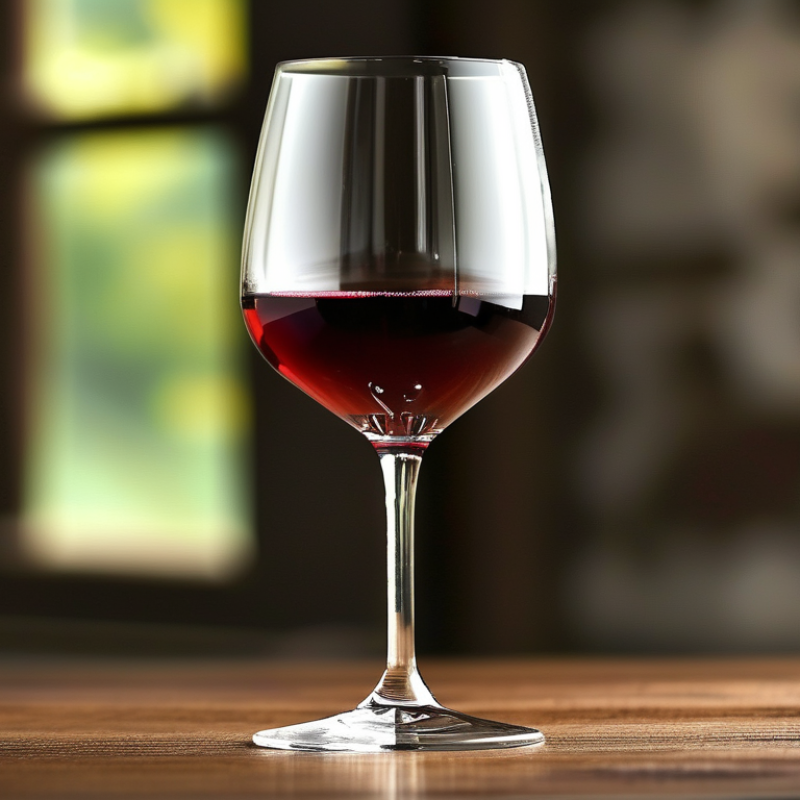
Choosing the best Big Glass For Wine begins with understanding what the glass must do. It should collect aromas, guide wine toward the right part of your palate, and remain comfortable in your hand. A large bowl can help delicate aromas open, especially in Cabernet Sauvignon, Pinot Noir, or aged Syrah. However, bigger does not automatically mean better.

Georg J. Riedel, a respected wineglass designer, has said, “The glass is the instrument that allows the wine to express itself.” That idea remains practical at the table. A broad bowl gives wine more contact with oxygen, while a narrower rim concentrates fragrance toward your nose. The stem should feel balanced, and the bowl should leave enough room for swirling without spilling. Small details matter.

Consider your real drinking habits. Do you pour 150 milliliters, or fill the glass too high? Do you wash delicate crystal by hand? These answers may matter more than a famous brand. A heavy glass can feel secure, but it may become tiring during a long dinner. Thin crystal feels elegant, yet it often demands careful handling. I have found that the “perfect” glass is rarely perfect for everyone. That is worth admitting.

This guide examines bowl shape, rim design, capacity, durability, and cleaning needs. It also compares oversized glasses with more moderate designs. The goal is not theatrical size. It is better aroma, clearer tasting, and confident everyday use. Choose with your wine, table, and habits in mind.
How to Choose the Best Big Glass for Wine?

Define “Big”: Compare 500–800 mL Bowls with ISO 3591’s 215 mL Tasting Glass

A “big glass” usually means a bowl holding 500–800 mL, not 500–800 mL of wine. Its wide shape gives red wine more surface area for air contact. This can soften strong aromas and make layered wines easier to explore. However, a large bowl can exaggerate alcohol, oak, or heat when filled too generously. I have found that a 100–150 mL pour leaves enough room to swirl without spilling. The stem also needs stability. A heavy bowl feels impressive, but it may become awkward during a long dinner.

The ISO 3591 tasting glass has a nominal capacity of 215 mL. It uses a narrower, controlled shape for consistent sensory evaluation. Compared with a 700 mL bowl, it reduces variation between tasters and keeps the sample focused near the nose. It is practical for comparing several wines with small pours. Yet, it can feel restrictive with older reds that need more space. This is where personal preference matters. Bigger is not automatically better.

Tips: Match the glass to the task. Use a 500–800 mL bowl for aroma development and relaxed drinking. Choose the 215 mL ISO glass for structured tasting and comparison. Pour less than one-third full. Check the rim for chips and the bowl for clear, thin glass. Test one wine in both shapes. Your first impression may change, and that difference is useful evidence.

Match Bowl Shape and Rim Diameter to Wine Style and Aroma Release

How to Choose the Best Big Glass for Wine?

A large wine glass is not automatically better. The bowl shape should suit the wine’s structure, weight, and aromatic intensity. In practical tastings, a broad bowl gives full-bodied red wines more room to open. Swirling increases contact with air and helps release layered aromas. Dark fruit, spice, and earth notes can become easier to notice.

The difference is immediate. Wines with delicate aromas often need a narrower bowl, even when served in a large glass. A narrow opening concentrates floral and citrus notes near the nose. For rich reds, choose a wider bowl with gently sloping sides. The rim should feel proportional, not oversized. A very wide rim can scatter aromas and make the wine seem flatter.

Rim diameter also changes the way wine reaches your palate. A smaller opening directs the wine more precisely, while a broader rim encourages a wider first impression. There is no perfect measurement for every drinker. I sometimes prefer a slightly narrower rim for powerful wines, despite common advice. Personal sensitivity, serving temperature, and pour size can alter the result. Test two glasses with the same wine, using equal pours. Smell before swirling, then compare the aroma after ten seconds. Note what disappears, not only what appears. A comfortable stem and balanced weight matter too, because awkward handling can disturb the tasting experience.

Choose Capacity Around a 150 mL Pour with One-Third Headspace

How to Choose the Best Big Glass for Wine?

A practical starting point is a 150 mL pour. The U.S. Dietary Guidelines define 148 mL of wine as one drink equivalent. NIAAA uses the same five-ounce reference for a standard wine serving. That measurement gives your glass a useful design anchor, not just a visual guess.

If you want one-third headspace, 150 mL should occupy about two-thirds of the bowl. A glass near 225 mL capacity may fit that ratio. However, bowl shape changes the result. A wide bowl can look underfilled, while a narrow bowl may feel crowded. Leave enough room for a gentle swirl without splashing the table. Try filling the glass with water and checking the level on a kitchen scale. It is simple, but surprisingly revealing.

In practice, I often prefer a slightly larger bowl, around 250 to 300 mL. It offers more space for aroma while keeping the pour controlled. The International Organisation of Vine and Wine reported global wine consumption at about 214 million hectolitres in 2023, showing how varied serving habits can be across markets. That figure does not define the perfect glass. It reminds us that personal use matters. I have also overestimated glass size before; the result looked elegant but made a modest pour seem visually lost. A clear fill line, tested at home, may be more reliable than appearance alone.

Check Lead-Free Crystal and EU Directive 69/493/EEC Classifications

Choosing the best big glass for wine starts with the material, not only the bowl size. A wide bowl can release aromas, but clarity and balance still matter. Lead-free crystal usually uses alternative mineral oxides, such as titanium, zinc, or barium. These materials can provide brilliance, weight, and a pleasant ringing sound without intentionally adding lead.

EU Directive 69/493/EEC is useful when reading product descriptions. It separates crystal glass into classifications linked to metal oxide content. “Full lead crystal” contains at least 30% lead oxide, while “lead crystal” contains at least 24%. “Crystal glass” generally refers to glass containing at least 10% of specified oxides, including lead oxide, barium oxide, zinc oxide, or potassium oxide. The wording can be confusing.

Look beyond the label.

For a lead-free wine glass, ask for a clear material statement and supporting compliance documents. A reliable seller should identify the glass type, manufacturing standard, and intended use. I once judged quality by weight alone. That was a mistake. A heavy glass may feel luxurious, yet it can tire the hand during a long dinner. Check the rim, stem stability, bowl proportion, and washing instructions. Hold the empty glass first. Then imagine it filled with red wine. Does it feel balanced? Some descriptions use “crystal” loosely, so independent testing or a manufacturer declaration is worth requesting. Directive classifications help comparison, but they do not replace careful product verification.

How to Choose the Best Big Glass for Wine? - Check Lead-Free Crystal and EU Directive 69/493/EEC Classifications

Selection Dimension What to Check Recommended Specification for a Large Wine Glass Why It Matters
Lead-Free Status Look for a clear statement that lead is not intentionally added, supported by a material specification or test report. Lead-free crystal or high-quality soda-lime glass with no intentionally added lead. “Crystal” does not automatically mean lead-free. A documented composition is more reliable than marketing terminology.
EU Directive Classification Compare the declared composition with the categories defined by Directive 69/493/EEC. For a lead-free option, select glass described as crystalline glass or another lead-free glass composition, subject to documentation. The directive classifies glass by chemical composition; it does not by itself certify safety, performance, or lead-free status.
Full Lead Crystal Minimum lead oxide content: 30% PbO by mass under the directive’s classification. Not suitable when the purchasing requirement is explicitly lead-free. Lead oxide can increase refractive index and brilliance, but this category is not lead-free.
Lead Crystal Minimum lead oxide content: 24% PbO by mass under the directive’s classification. Not suitable when the purchasing requirement is explicitly lead-free. This is also a lead-containing classification, even though its lead content is lower than full lead crystal.
Crystalline Glass At least 10% by mass of one or more of zinc oxide, barium oxide, lead oxide, or potassium oxide, according to the directive. Confirm the exact oxide composition; choose a formulation with no intentionally added lead when lead-free glass is required. The category may include different formulations, so the classification name alone does not prove that the glass contains no lead.
Bowl Capacity Check total capacity and the recommended fill volume. Approximately 600–900 ml total capacity, filled to about 150–250 ml for most table wines. A larger bowl provides headspace for swirling and aroma development without requiring an oversized serving.
Bowl Shape Assess the relationship between the widest point, bowl height, and rim diameter. A broad lower bowl with a gently narrowing rim for red wine; a moderately narrower bowl for white wine. The shape helps concentrate or release volatile aromas and supports controlled swirling.
Rim Thickness Check whether the rim is fine, even, and free from chips or rough edges. A thin, smoothly finished rim, balanced against the required durability. A fine rim can improve the drinking experience and direct wine smoothly onto the palate.
Clarity and Brilliance Inspect transparency, lack of visible bubbles, uniform thickness, and surface smoothness. Optically clear glass with consistent walls and no visible haze or manufacturing defects. Clear glass makes it easier to evaluate wine color, clarity, and development.
Durability Review impact resistance, stem stability, and the manufacturer’s handling guidance. Choose a lightweight but adequately robust construction; avoid excessively thin glass for frequent household use. Large bowls are more vulnerable to tipping and breakage, especially when the stem or base is undersized.
Dishwasher Suitability Check the care instructions rather than assuming all crystal glass is dishwasher-safe. For regular use, select glass specifically tested or labelled for dishwasher cleaning. Heat, detergents, vibration, and contact with other items can contribute to clouding, scratches, or breakage.
Compliance Documentation Request a material declaration, technical data sheet, or relevant laboratory test report. Documentation should identify the glass composition, intended food-contact use, and care limitations. Written evidence helps distinguish a genuinely lead-free product from an unsupported “crystal” claim.

Practical choice: For a large wine glass intended to be lead-free, prioritize a documented lead-free composition, clear optics, a fine and even rim, a stable base, and a capacity of approximately 600–900 ml with a moderate serving volume.

Test Rim Comfort, Stem Stability, and Dishwasher Safety Before Buying

How to Choose the Best Big Glass for Wine?

A large wine glass should feel comfortable before it looks impressive.

Run your fingertip around the rim and check for rough spots, uneven thickness, or sharp edges. Then take a small sip. Your nose should enter the bowl without touching the glass. The rim should meet your lips smoothly, not press against them. I once chose a beautiful glass with an awkward edge. It stayed in the cabinet.

Test stem stability on a flat table.

Hold the base lightly and rotate the bowl. It should move without wobbling. Add water to imitate a generous pour, then gently tap the table nearby. A stable stem should recover quickly. Check the joint between stem and bowl, since weak connections can loosen after repeated washing. Avoid lifting a full glass by the stem alone. That habit creates unnecessary stress.

Dishwasher safety needs more than a simple label.

Read the care instructions and check the recommended rack position, temperature, and detergent limits. Place the glass away from plates and moving spray arms. Do not force it into a crowded rack. Sudden temperature changes may cause cracking, even when the glass is advertised as dishwasher-safe. My own testing was imperfect because I used different dishwasher cycles. For a fair comparison, repeat the same cycle several times and inspect the rim, clarity, and stem afterward. Handwashing remains the safer choice for unusually thin glass.

FAQS

What does “big glass” usually mean?

It usually means a bowl holding 500–800 mL, not 500–800 mL of wine. Its wide shape gives red wine more air contact. A 100–150 mL pour leaves useful swirling space. Too much wine can highlight alcohol, oak, or heat.

Is a large bowl always better for wine?

No. Bigger is not automatically better. A large bowl may soften strong aromas and reveal layered notes. However, older reds may feel cramped in a smaller tasting glass. Personal preference still matters.

How does a 215 mL tasting glass differ?

The 215 mL ISO 3591 glass has a narrower, controlled shape. It keeps aromas focused near the nose. This design helps compare several wines with small pours. It may feel restrictive for wines needing more air.

How much wine should go into a large glass?

A practical starting point is about 150 mL. This amount leaves roughly one-third of the bowl empty in many glasses. The exact level depends on bowl width and shape. Leave room for a gentle swirl.

What glass capacity works well for a 150 mL pour?

A glass near 225 mL may create a useful one-third headspace. Many drinkers may prefer a 250–300 mL bowl for extra aroma space. A wide bowl can look underfilled, even when the measurement is correct. Appearance can mislead.

How can I check the fill level at home?

Fill the glass with water before using it for wine. Measure 150 mL with a kitchen scale or measuring cup. Mark the approximate level mentally or with removable tape. This simple test is surprisingly revealing.

What material should I look for?

Lead-free crystal can offer clarity, weight, and a bright ringing sound. It may use titanium, zinc, barium, or other mineral oxides. Do not judge quality by weight alone. A heavy glass can tire your hand during dinner.

What details should I inspect before buying?

Check the rim for chips and the bowl for clear, thin glass. Test the stem and see whether the empty glass feels stable. Ask for a material statement and supporting compliance documents. Some descriptions use “crystal” loosely. Look closer.

How can European crystal classifications help?

European Directive 69/493/EEC describes categories linked to metal oxide content. “Full lead crystal” and “lead crystal” contain specified lead oxide levels. “Crystal glass” can refer to glass containing certain listed oxides. The wording is technical and easy to misunderstand.

Should I test one wine in different glasses?

Yes. Pour the same amount into both shapes. Compare the aroma, warmth, texture, and finish. Your first impression may change. That difference is useful evidence, though it is not perfect.

Conclusion

Choosing the best Big Glass For Wine starts with understanding what “big” really means. Large wine glasses typically hold between 500 and 800 mL, while the ISO 3591 tasting glass is only about 215 mL and serves a different purpose. The right bowl shape and rim diameter should match the wine style, helping aromas open without making delicate wines seem flat or overly exposed. A versatile glass should comfortably hold a 150 mL pour while leaving roughly one-third of the bowl empty, providing enough headspace for swirling and aroma development.

Material and everyday usability matter just as much as capacity. Look for lead-free crystal and review the relevant EU classification standards, including Directive 69/493/EEC. Before buying, test whether the rim feels comfortable, the stem remains stable, and the glass suits your dishwasher routine. A well-balanced design should enhance tasting while remaining practical, durable, and easy to handle.

Liam

Liam

Liam is a dedicated marketing professional with a profound expertise in the industry, where he excels at highlighting the unique advantages of our core products. With a keen understanding of market trends and consumer needs, Liam frequently updates our company’s professional blog, providing......