Choosing a wine bottle and cork in 2026 is no longer a simple packaging decision. It affects wine protection, shelf appearance, transport costs, sustainability, and consumer trust. A heavy glass bottle may look luxurious, yet it can increase shipping emissions and breakage risks. A lighter bottle may be practical, but some buyers still associate weight with quality. That assumption deserves reconsideration.
Dr. Paulo Lopes, a recognized cork-technology researcher, has stated, “The closure is the most important component in the package, because it controls the evolution of the wine.” His observation gives this topic a technical foundation. Natural cork, micro-agglomerated cork, synthetic closures, and screw caps each manage oxygen differently. Their performance also depends on wine style, storage time, bottling equipment, and cellar conditions. There is no universal winner.
This guide examines how to match bottle design with closure performance in 2026. It considers glass color, bottle shape, neck finish, cork diameter, extraction force, oxygen transmission, and sealing consistency. It also discusses recycled glass, renewable materials, supplier testing, and traceability. Small details matter. A poorly matched cork can cause leakage, oxidation, or inconsistent aging. A beautiful bottle cannot repair weak closure performance.
Real-world selection is rarely perfect. Budget limits interfere. Consumer expectations can be stubborn. Even laboratory data cannot predict every bottle’s journey. Therefore, buyers should compare verified specifications, trial samples, and filling-line results before committing. The best Wine Bottle And Cork choice protects the wine first, supports responsible packaging goals, and remains honest about its limitations.
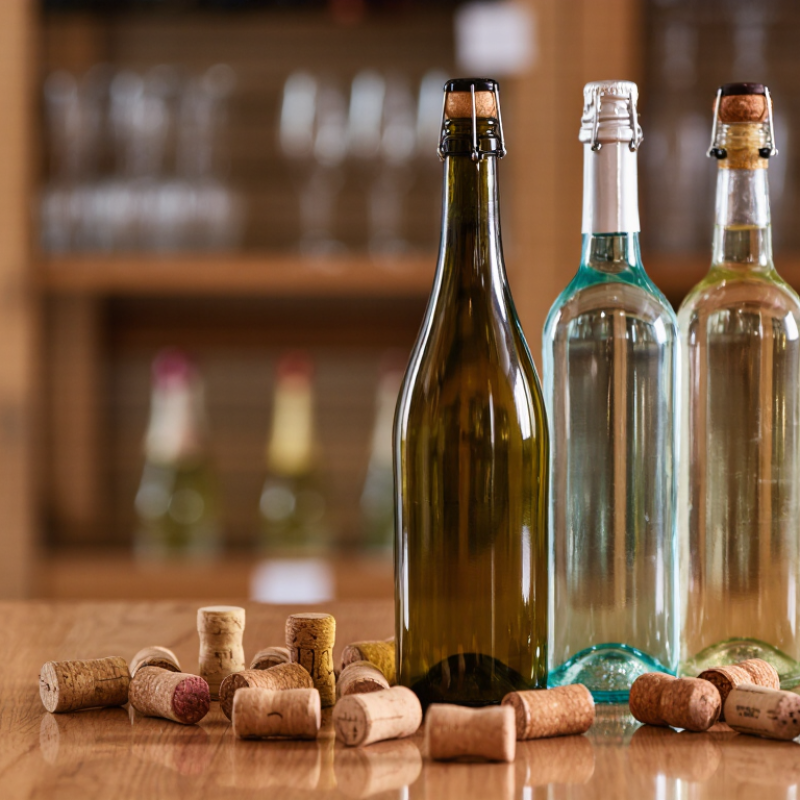
Wine Bottle Types and Their Functional Differences
Choosing a wine bottle in 2026 means matching its shape to the wine’s needs, not copying tradition. A tall, narrow Bordeaux bottle suits structured reds and stacks efficiently. Its shoulders can help catch sediment during careful pouring. A sloping Burgundy bottle works well for aromatic reds and whites, but it may use more shelf space. Clear glass displays pale wines beautifully, yet dark glass protects delicate aromas from light. Heavy glass feels reassuring, though that feeling can mislead buyers about quality.
Closure choice changes aging behavior. Natural cork allows gradual oxygen exchange, but individual pieces can vary. Technical corks offer more consistent performance and often reduce taint risk. Agglomerated corks fit accessible wines, while synthetic closures resist breakage and suit shorter storage. Screw caps provide dependable sealing and easy opening; they are not automatically a sign of cheap wine. I have seen excellent wines under several closures. My own preference still changes by vintage, which is a useful reminder that no closure wins everywhere.
Tips: Check bottle weight, neck finish, and closure size together. For sparkling wine, use pressure-rated glass and a secure cork system. For still wine, select a closure based on intended drinking time. Store bottles away from heat and strong light. Test samples before ordering a full run. A small trial can expose sealing, leakage, or pouring problems that specifications miss. Ask suppliers for oxygen-transfer data, recycled-content details, and compatibility records. These documents support better decisions than appearance alone.
How to Choose Wine Bottles and Corks in 2026?
Wine Bottle Types and Their Functional Differences
How to read the chart: Bottle capacity affects serving size, storage volume, shipping weight, and maturation speed. The standard 750 mL bottle is the most widely used format, while larger formats generally offer a lower wine-to-oxygen ratio and are often preferred for longer aging.
Closure selection: Natural cork provides a traditional sealing method and limited oxygen transfer, but it can vary in performance. Technical cork is engineered for greater consistency. Synthetic closures are dimensionally stable and easy to remove, while screw caps provide highly consistent sealing and very low oxygen transfer. The best choice depends on the intended aging period, oxygen-management target, filling equipment, and consumer expectations.
How to Match Bottle Shape and Size to Wine Style
Choosing a wine bottle begins with the wine’s structure, not its label design.
Slender bottles suit delicate white wines because their narrow profile feels precise and easy to handle. Broader shoulders often suit full-bodied reds, especially those that may need careful pouring. That shape can help catch sediment. However, bottle silhouette does not prove quality. Appearance can mislead.
Bottle size also affects storage and service.
A 750 ml bottle works well for ordinary meals and controlled cellar planning. Half bottles suit tasting sessions, single diners, or wines that lose freshness quickly after opening.
Large formats usually mature more slowly because they contain less air per volume of wine. They need stronger shelves and careful lifting.
Sparkling wine requires pressure-rated glass and a closure designed for internal pressure.
Never assume a standard bottle is suitable.
The cork should match the wine’s intended journey.
For wines made for extended aging, choose a closure with predictable oxygen transfer and accurate sizing. Natural cork may offer traditional performance, while technical cork can provide greater consistency.
The bottle neck, cork diameter, and storage humidity must work together.
I once focused too much on appearance and ignored shelf depth. It looked elegant, but it stored badly.
Measure the cellar first.
Then test the fit, weight, and pouring angle with an empty bottle. Practical details often matter more than tradition.
Choosing Cork Materials for Preservation and Aging
When choosing wine bottles and corks in 2026, match the closure to the wine’s aging plan. Natural cork remains suitable for long maturation because its elastic structure can seal glass while allowing limited oxygen exchange. However, quality varies between pieces. Inspect the surface for cracks, dry edges, or uneven pores. A cork should feel resilient, not brittle.
Agglomerated cork works well for wines intended for earlier drinking. It uses compressed cork particles and usually offers more consistent dimensions. Technical corks combine natural cork layers with controlled materials, supporting steadier performance over several years. Still, no closure is perfect. Oxygen transmission can differ between individual corks, even within one production batch. Storage conditions matter just as much. Keep bottles away from heat, strong light, and repeated temperature changes.
In cellar checks, I examine the cork after opening and record aroma, leakage, and texture. A musty smell may indicate cork taint, but poor sanitation or bottle storage can confuse the diagnosis. I once blamed the closure too quickly. Later, the problem appeared linked to a warm storage corner. That mistake changed my inspection routine. Test closures with the specific bottle design and wine style when possible. A dense cork may protect a delicate white wine, while a more breathable option may support gradual development in a structured red. Small details matter.
Comparing Natural, Synthetic, and Screwcap Closures
How to Choose Wine Bottles and Corks in 2026?
Comparing Natural, Synthetic, and Screwcap Closures
Choosing a wine bottle starts with the closure, not its appearance. The bottle neck, glass weight, and seal must work together. A practical trial helps more than tradition alone.
Natural cork offers a familiar opening and gradual oxygen exchange. Its performance can vary between individual pieces. A small percentage may also carry musty taint from contamination. Synthetic corks provide more consistent sizing and fewer sealing surprises. However, some types may lose elasticity after long storage. They can also be harder to remove when exposed to heat.
Screwcaps create a reliable seal and suit wines designed to retain freshness. They are useful for aromatic whites, rosé, and many young reds. Their liners control oxygen transfer, but the liner choice matters greatly. A very tight seal can preserve fruit while hiding reduction notes in poorly managed wines. That part deserves testing.
The bottle should match the closure. A narrow, clean neck supports uniform sealing. Heavy glass may feel premium, but it increases transport impact. I would test samples under warm and cool storage conditions. Taste them at three-month intervals. My preference changes by wine style, and that is not a weakness. Closure decisions still involve trade-offs.
Conclusion
Choosing the right Wine Bottle And Cork in 2026 requires balancing appearance, performance, and environmental responsibility. Bottle shapes and sizes should match the wine’s style, serving occasion, and storage needs: lighter bottles may suit young, fresh wines, while sturdier designs can support wines intended for longer aging. Bottle color, neck structure, glass weight, and closure compatibility also influence protection from light, oxygen, and temperature changes.
Cork selection is equally important. Natural cork can support gradual aging and offer a traditional presentation, while synthetic alternatives provide consistency and predictable sealing. Screwcaps can help preserve freshness and simplify opening, especially for wines meant to be enjoyed young. Buyers should also evaluate renewable materials, recyclability, production quality, dimensional accuracy, and compatibility between the closure and bottle. By considering preservation goals, wine style, sustainability, and quality control together, producers and consumers can make practical choices that protect the wine while reducing unnecessary environmental impact.