
How to Choose Wine Bottles By Size for Your Collection?

Time:2026-07-20 Author:Liam
0%

When building a wine collection, the choice of bottle size is crucial. Expert sommelier Johnathon Greene once said, “The size of the wine bottle can greatly influence its aging process and overall flavor development.” Understanding the nuances of Wine Bottles By Size is essential for both novice collectors and seasoned connoisseurs.

Selecting the right bottle size involves more than aesthetics. Different sizes can impact how wine ages. For example, magnum bottles contain more wine, allowing for slower, more integrated aging. Conversely, smaller bottles may mature faster. Each choice reflects personal preference and intended use, but not all options suit every occasion.

Consider how much space you have for storage. Large formats require more room, while standard bottles fit easily in most cellars. However, investing in diverse sizes might elevate your collection. Be mindful that not all wine types benefit equally from larger bottles. Ensure your purchasing decisions align with the unique characteristics of each wine. Balancing these factors can truly enhance your collection journey.
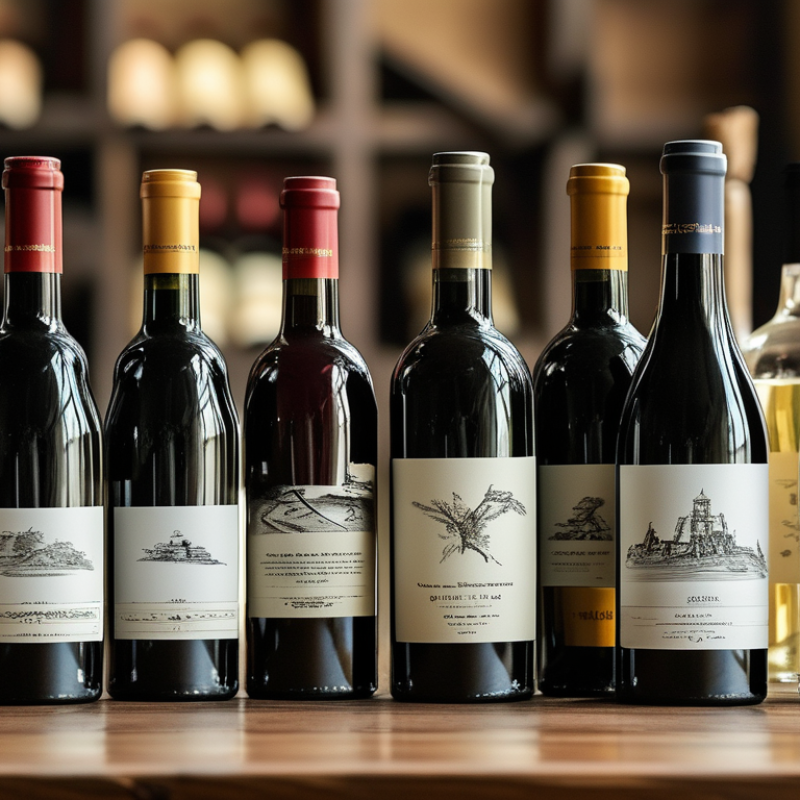
How to Choose Wine Bottles By Size for Your Collection?

Understanding Wine Bottle Sizes: An Overview of Common Types

When selecting wine bottles for your collection, understanding bottle sizes is crucial. Standard wine bottles come in several sizes. The most common size is 750ml, often considered the benchmark for serving and aging. According to the International Organisation of Vine and Wine, around 90% of all wine sold globally is in this size. It balances volume and ease of handling well.

Larger bottles offer more than just a striking presence. A magnum (1.5 liters) is known for its aging potential. Wine experts believe that larger volumes age better, due to a slower oxidation rate. Research from the University of California suggests that magnums can maintain their quality for longer, making them ideal for collectors. A double magnum (3 liters) can serve 20 glasses and adds an impressive touch to a gathering. However, storing these bottles requires space and careful considerations of your environment.

Conversely, smaller formats, like the half bottle (375ml), are often overlooked. These are great for trying new wines without committing to a larger quantity. They are increasingly popular for tasting menus in restaurants. Yet, some find it challenging to source these smaller bottles, reflecting an inconsistency in market availability. Understanding these nuances in bottle sizes can greatly influence your collection’s diversity and enjoyment.

The Impact of Bottle Size on Aging Potential and Flavor Profile

When selecting bottles for a wine collection, size matters more than most realize. A standard 750ml bottle ages at a different rate compared to larger formats. Research indicates that larger bottles, such as magnums (1.5 liters), often age more gracefully. The ratio of wine to air is crucial. In smaller bottles, more oxygen exposure can accelerate aging.

In a study published by the Journal of Wine Research, magnums showed a slower evolution of flavors compared to standard bottles. This is largely due to the lessened oxygen penetration. Consequently, wines in larger formats often maintain their fruity essence longer while developing complex aromatics. These bottles typically gain richer profiles, a sought-after characteristic among collectors.

On the flip side, not all wines benefit from extended aging. Some varietals, particularly lighter whites, may not thrive in larger formats. This presents a challenge for collectors. It raises the question: Is bigger always better? The answer depends on the wine type and personal preferences. Understanding these nuances can lead to a more enjoyable collection. Balancing age potential with flavor development is key.

Factors to Consider When Storing and Displaying Different Bottle Sizes

When it comes to choosing wine bottles for your collection, size plays a crucial role. Various factors impact how you store and display these bottles. Industry data shows that the average wine bottle holds 750 ml, but larger formats, such as magnums (1.5 liters), are gaining popularity. These larger bottles are believed to age better because they contain more wine and less oxygen, which can enhance the flavor profile over time.

The storage conditions differ for each bottle size. For example, magnums require careful placement due to their weight and height. They should lie horizontally to keep the cork moist. Standard 750 ml bottles can be stored upright, but vertical spaces can lead to cork deterioration if left too long. Therefore, it’s important to design a storage system tailored to the specific dimensions of your collection.

The aesthetic aspect should not be overlooked either. Different sizes create a visual impact. A display that showcases larger formats attracts attention, while the standard bottles create a familiar backdrop. However, finding balance is key. Too many large formats can overwhelm a space. Therefore, consider your overall collection theme before finalizing your display arrangement. Collecting wine is not just an acquisition; it’s about curating an experience.

Wine Serving Sizes: How Bottle Dimensions Affect Pouring and Consumption

When selecting wine bottles for your collection, size matters significantly. Different bottle dimensions affect how wine is poured and enjoyed. A standard 750ml bottle usually serves five glasses. It's ideal for social gatherings and casual dinners.
Larger formats, like magnums, hold 1.5 liters. They often age better due to less exposure to oxygen. This size is perfect for celebrations and large groups.

Choosing the right size enhances the experience. Smaller bottles, such as 375ml splits, are great for tasting evenings or personal indulgence. They minimize waste and allow for sample diversity. Consider your consumption habits and storage space.

Tips for selection:

  • Always think about your gathering size.
  • Consider the drinking pace when choosing a bottle size.
  • A mix of sizes in your collection might offer versatility.
  • This way, you can cater to different occasions effectively.
  • Make sure the dimensions fit your storage areas.
  • Awkwardly shaped bottles can complicate organization.

Enjoy the process of curating your wine collection!

Collecting Strategies: Balancing Variety and Storage Capacity in Your Wine Rack

Building a wine collection is an art, influenced by both variety and storage capacity. Understanding bottle sizes can greatly affect storage efficiency and diversity. The typical bottle holds 750 ml, but alternatives like magnums (1.5 L) and half bottles (375 ml) provide unique options. According to the Beverage Information Group, approximately 20% of wine collections feature larger formats, which age differently and often enhance flavors.

When filling your wine rack, consider the impact of bottle sizes. Larger bottles take up more space, but they can be more impressive for special occasions. A magnum is equivalent to two standard bottles. This means fewer bottles for aging, potentially improving your storage efficiency. However, these larger bottles can be hard to fit into standard racks. It's essential to find storage solutions that accommodate your collection's size balance.

Mixing bottle sizes can create an interesting visual display. However, this also complicates storage logistics. Smaller spaces can limit size variety. Striking a balance between aesthetic appeal and practical storage can be challenging. Although many collectors strive for variety, you might need to reflect on your space constraints and prioritize accordingly. The nuances of maintaining a collection require continual adjustment and diligence.

FAQS

: What is the most common wine bottle size?

: The standard size is 750ml. It is a benchmark for serving and aging wine.

Why are larger wine bottles preferred by collectors?

Larger bottles, like magnums, age better due to slower oxidation rates. They maintain quality longer.

How many glasses can a double magnum serve?

A double magnum holds 3 liters and can serve approximately 20 glasses.

Are half bottles useful for wine tasting?

Yes, half bottles (375ml) allow for trying various wines without large commitments.

What should collectors consider when storing wine?

Storage space and bottle dimensions are crucial. Awkward shapes can complicate organization.

Can different bottle sizes enhance the wine experience?

Absolutely! Mixing sizes provides versatility for different occasions and drinking preferences.

How can smaller bottles impact waste?

Smaller bottles minimize waste, making them ideal for tasting events or personal enjoyment.

What challenges might collectors face with larger formats?

Larger bottles require more storage space and may not fit standard racks easily.

What should I think about when building a collection?

Consider variety, storage capacity, and the dimensions of your bottles.

Is balancing aesthetics and logistics a concern for collectors?

Yes, achieving an appealing display while managing space can be quite challenging.

Conclusion

When selecting wine bottles for your collection, understanding the various sizes is crucial. The article "How to Choose Wine Bottles By Size for Your Collection?" outlines key types of wine bottle sizes and their implications on aging potential and flavor profiles. Larger bottles, for instance, tend to age better and provide a richer taste compared to standard sizes, making bottle size a critical factor in wine selection.

Additionally, the article emphasizes the importance of considering your storage options and how different bottle sizes can affect your ability to display and serve wine. From pouring experiences to overall consumption, understanding wine serving sizes can enhance your appreciation of each bottle. Ultimately, effective collecting strategies should balance the diversity of wine bottles by size with practical storage solutions for your rack, ensuring an enjoyable and well-curated collection.

Liam

Liam

Liam is a dedicated marketing professional with a profound expertise in the industry, where he excels at highlighting the unique advantages of our core products. With a keen understanding of market trends and consumer needs, Liam frequently updates our company’s professional blog, providing......