
The quest for the best stopper for a bottle is pivotal for various industries. According to Dr. Alice Reynolds, a renowned packaging expert, "The right stopper ensures product longevity and customer satisfaction." Her insights highlight the importance of choosing the right materials and designs to meet consumer needs.
In today’s market, the options for stoppers are vast. Different materials such as cork, plastic, and silicone offer unique benefits. Choosing the wrong type can lead to leaks or spoilage. This can frustrate customers and harm brand reputation. Many buyers feel overwhelmed by the choices.
There is also a growing trend toward eco-friendly solutions. More companies seek biodegradable or reusable stoppers. This shift reflects consumer demand for sustainable products. However, some traditionalists still prefer classic options. They question the reliability of newer materials. The challenges of finding the optimal stopper for a bottle are complex, and reflection on these choices is essential.
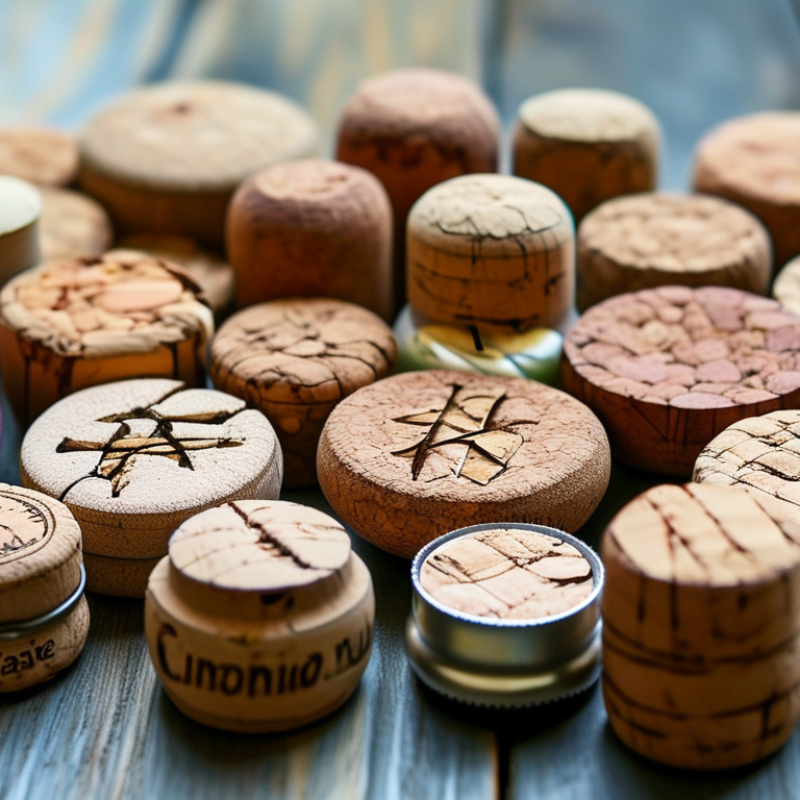
When it comes to preserving wine quality, selecting the right bottle stopper is crucial. Different stoppers serve distinct purposes and can significantly impact the wine's freshness and flavor. For those who enjoy wine, understanding the types of stoppers available is essential.
Cork stoppers are a classic choice. They allow a small amount of air into the bottle, promoting aging. However, they can also let in unwanted particles. Silicone stoppers, on the other hand, provide a tighter seal. They are easy to use and are often reusable. However, some wine enthusiasts argue that they can alter the wine’s aroma over time.
Vacuum stoppers are another option that removes air from the bottle. This method can extend the life of wine. Yet, improper use can lead to premature spoilage. Overall, choosing the best stopper depends on individual preferences and wine consumption habits. Different types offer specific advantages and challenges, making it important to reflect on personal needs and wine styles.
| Type of Stopper | Material | Preservation Time (Days) | Best For |
|---|---|---|---|
| Natural Cork | Cork | 3-5 | Fine Wines |
| Synthetic Cork | Plastic | 2-4 | Everyday Wines |
| Screw Cap | Metal | 5-7 | Young Wines |
| Vacuum Stopper | Plastic & Rubber | 7-10 | Opened Bottles |
| Wine Pump Stopper | Plastic & Rubber | 10-14 | Long-Term Storage |
| Glass Stopper | Glass | 5-10 | Aesthetic Presentation |
When selecting bottle stoppers, material and design are key factors. These choices can greatly influence the preservation of contents. Studies show that up to 70% of wine quality loss occurs due to inadequate sealing. A proper stopper minimizes oxidation, which is critical for wine storage.
Natural cork is a popular choice. It is breathable, allowing small amounts of gas exchange. However, cork can be inconsistent, and about 5% of corks may spoil wine. Synthetic materials offer uniformity and consistency. They are often impermeable, ensuring a tight seal. Still, some consumers question their eco-friendliness.
Design plays a crucial role too. A well-designed stopper fits snugly. Poor designs can lead to leaks. A survey indicated that 80% of buyers prefer stoppers that enhance usability. Features like easy removal and resealing enhance user experience. Balancing aesthetics and functionality can be challenging. The right choice depends on the user's priorities, whether sustainability, style, or practicality is more important.
The demand for eco-friendly bottle stoppers has surged in recent years. Many consumers are now prioritizing sustainability when making choices. This shift is not just a trend; it reflects a larger movement towards environmental responsibility. Eco-friendly options often include materials like bamboo, cork, and recycled plastics. These choices help reduce landfill waste and pollution. Additionally, they appeal to consumers who want to feel good about their purchases.
Businesses are responding to this demand by expanding their product lines. They are incorporating innovative materials and designs. However, not all eco-friendly options are created equal. Some may still harm the environment during production. Consumers need to be vigilant and do their research. Sometimes, what appears to be sustainable can be misleading. Transparency in sourcing materials is crucial for making informed decisions. Buyers should seek brands that prioritize ethical manufacturing practices.
Moreover, the market is evolving with education and awareness. Buyers are becoming more discerning and knowledgeable. They are looking for certifications and eco-labels. This growing awareness often drives brands to improve product quality. The interplay between consumer knowledge and vendor responsibility is essential. Continuous communication about eco-friendly practices fosters a deeper connection between brands and consumers. This helps in building trust and loyalty in the long run.
When comparing silicone and cork bottle stoppers, both materials offer unique advantages. Silicone stoppers are known for their versatility and durability. They create a strong seal, which helps preserve the freshness of beverages. A recent industry report highlights that silicone stoppers can reduce oxidation by up to 30% compared to standard cork options. This is crucial for those looking to maintain the quality of their wines or oils.
Cork, on the other hand, has been a traditional choice for centuries. Natural cork is breathable, allowing small amounts of oxygen to interact with the liquid. This can enhance aging for some wines. However, cork stoppers are also prone to issues like cork taint. Research indicates that around 5-10% of corks may lead to tainted wine. This statistic raises concerns for consumers who prioritize quality in their purchases.
Both options have their merits and limitations. Silicone’s consistency is appealing, but some users miss the organic component of cork. It is essential to weigh the pros and cons, keeping in mind that preferences often vary by individual taste and usage. Understanding these dynamics can lead to better choices for global buyers looking to optimize their beverage storage solutions.
The bottle stopper industry is rapidly evolving. Many manufacturers cater to diverse global markets. This growth attracts various buyers. Quality stoppers are crucial for maintaining product freshness. Key players in this field focus on innovation and sustainability. Their products range from traditional cork stoppers to advanced sealing technologies. This diversity meets the needs of different beverages and products.
Buyers should consider various factors when choosing a bottle stopper. The material significantly influences the sealing capability. For example, silicone and natural cork have distinct benefits. Silicone is durable and easy to clean. In contrast, cork offers a classic aesthetic. Both materials have their specific applications.
When selecting a bottle stopper, remember these tips: prioritize seal quality over aesthetic appeal. A functional stopper enhances the user experience. Additionally, research manufacturers with strong reputations and proven track records. Verify their commitment to sustainability and safety standards. The right choice can impact product longevity and customer satisfaction.
: Natural cork and synthetic materials are popular choices for bottle stoppers.
A good stopper minimizes oxidation, preserving the quality of contents like wine.
Studies show up to 70% of wine quality loss occurs from inadequate sealing.
Yes, the demand for eco-friendly bottle stoppers has increased significantly in recent years.
Buyers should research materials and look for certifications to avoid misleading eco-labels.
Natural cork can be inconsistent, and about 5% may spoil the wine.
Design is crucial; a well-designed stopper fits snugly and prevents leaks.
Features like easy removal and resealing are highly preferred by users.
Businesses can expand product lines with innovative materials and transparent practices.
Balancing aesthetics and functionality can be challenging for buyers when choosing stoppers.
In the quest for the best stopper for a bottle, understanding the types that preserve wine quality is essential. Different materials and designs play a crucial role in maintaining the integrity of the wine, with options ranging from traditional cork to modern silicone alternatives. The evaluation criteria for selecting a bottle stopper emphasize both functionality and aesthetic appeal, catering to varying consumer preferences.
Market trends indicate a growing demand for eco-friendly bottle stopper options, reflecting a shift towards sustainable practices in the beverage industry. A comparative analysis of silicone versus cork performance highlights their unique characteristics, leading to informed decisions for global buyers. As the global market evolves, key manufacturers in the bottle stopper industry are adapting to these trends, offering innovative solutions that align with consumer expectations for quality and sustainability.
